

Our mission: to protect biodiversity
Europe is home to unique ecosystems: from the rivers of southeast Europe to the ancient forests of Romania and the Balkans, to the wetlands of Ukraine. Yet this diversity is under threat from intensive farming, deforestation, infrastructure projects and climate change. EuroNatur works to save these natural treasures through practical projects, campaigns, partnerships and expertise in nature conservation policy.
-
What is biodiversity?
-
Why is biodiversity so important?
-
Why is biodiversity under threat?
Special focus: How we act
Protection of habitats
- Forests: Beyond Scandinavia, primaeval and natural forests have survived mainly in the Carpathians and in the Western Balkans. They form the green lungs of Europe, but are under threat from ruthless exploitation. We are making a significant contribution to protecting these species-rich habitats through our forest projects.
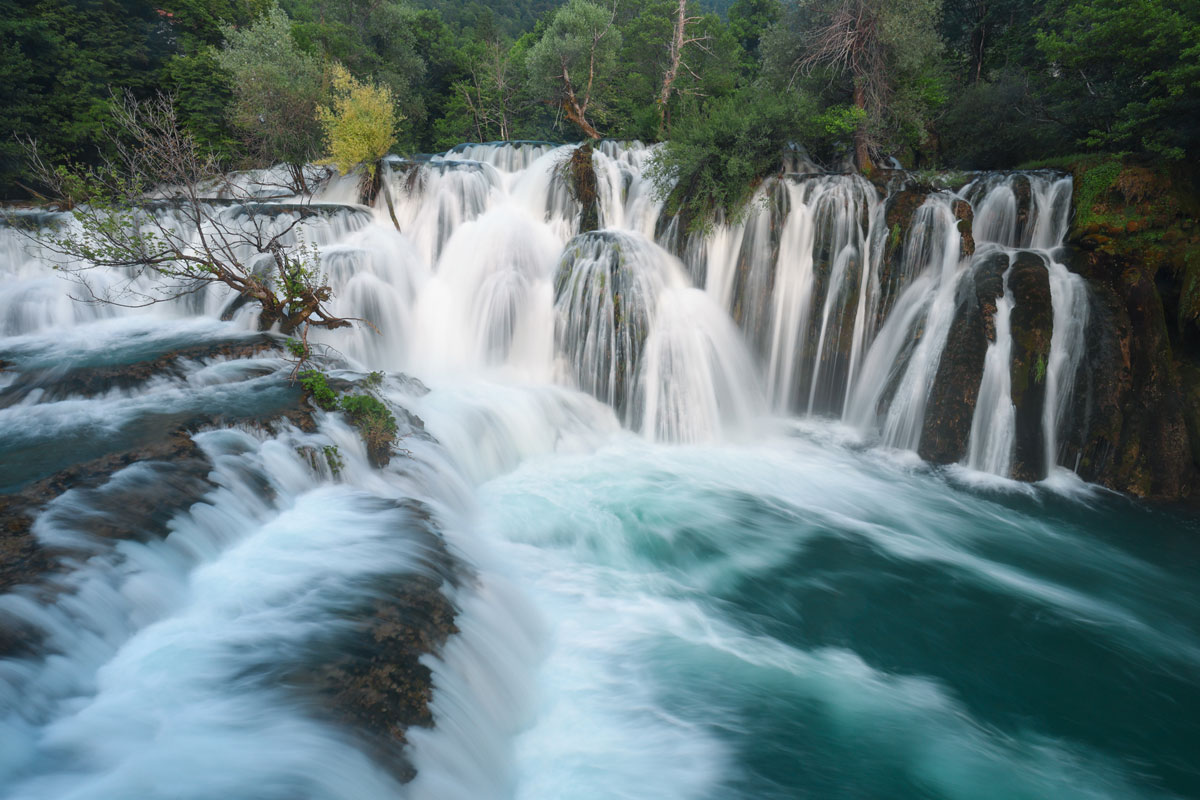
- Rivers: Europe’s last remaining wild rivers are under threat from plans for hydroelectric dams and shipping-route development projects. These rivers are home to rare plant and animal species, many of which are now found only in a few short stretches of river. Together with international partners, we are fighting to preserve these natural treasures, particularly in South-Eastern Europe – and we are resolutely opposing the hydropower lobby.
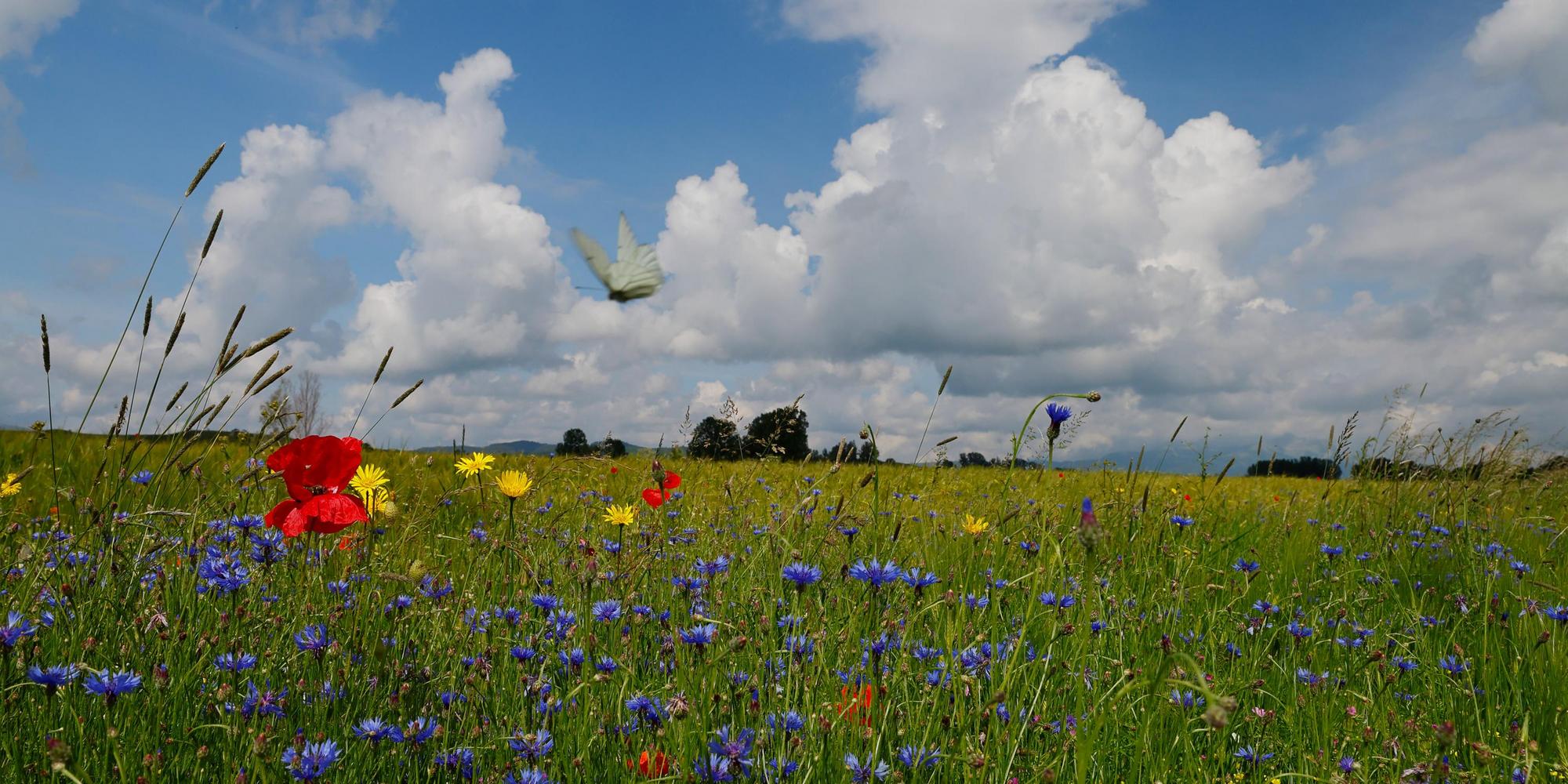
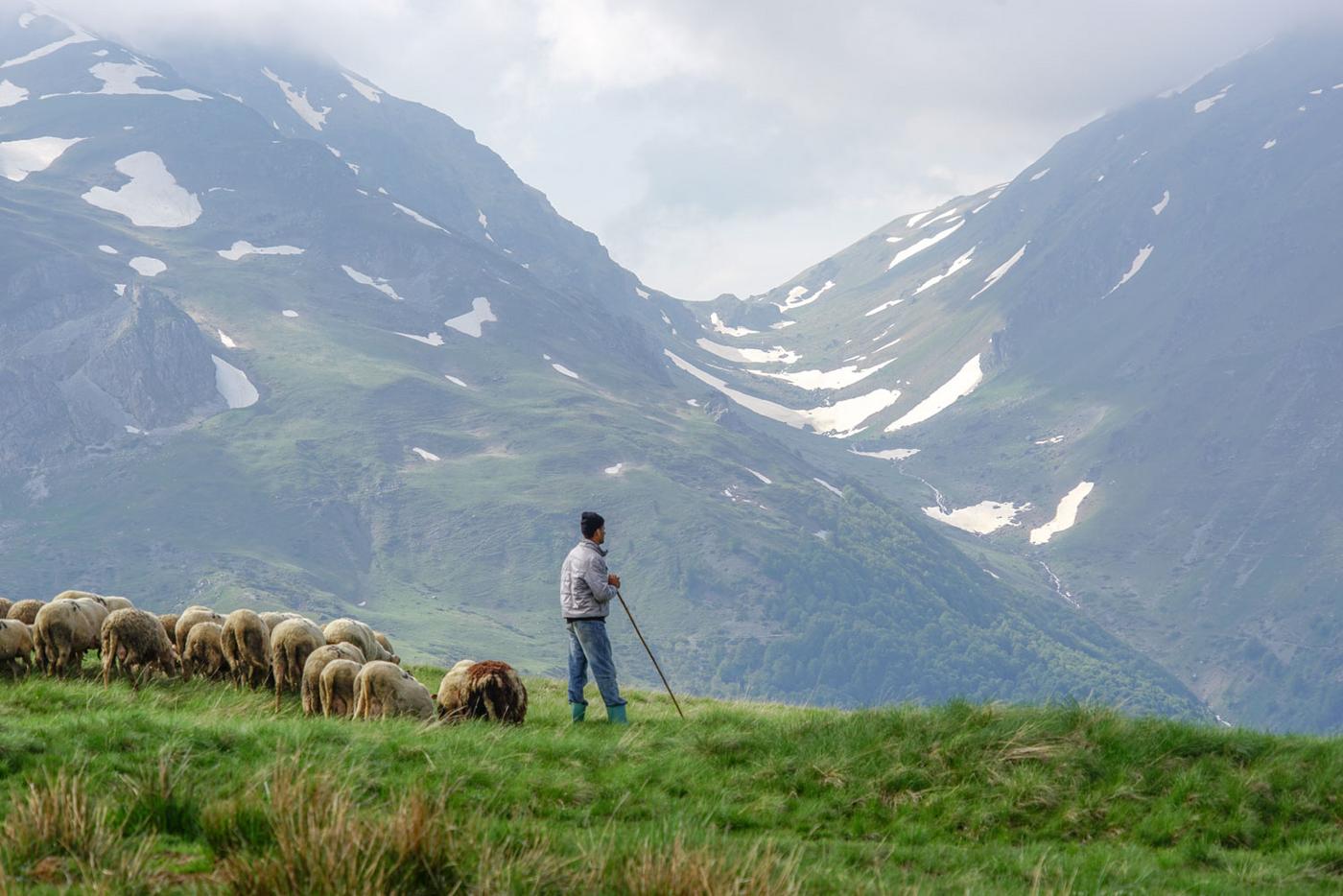
- Cultural landscapes: Grassland is a significant ally in the fight against climate change. Together with our partners, we promote the preservation of transhumance and support rural communities.
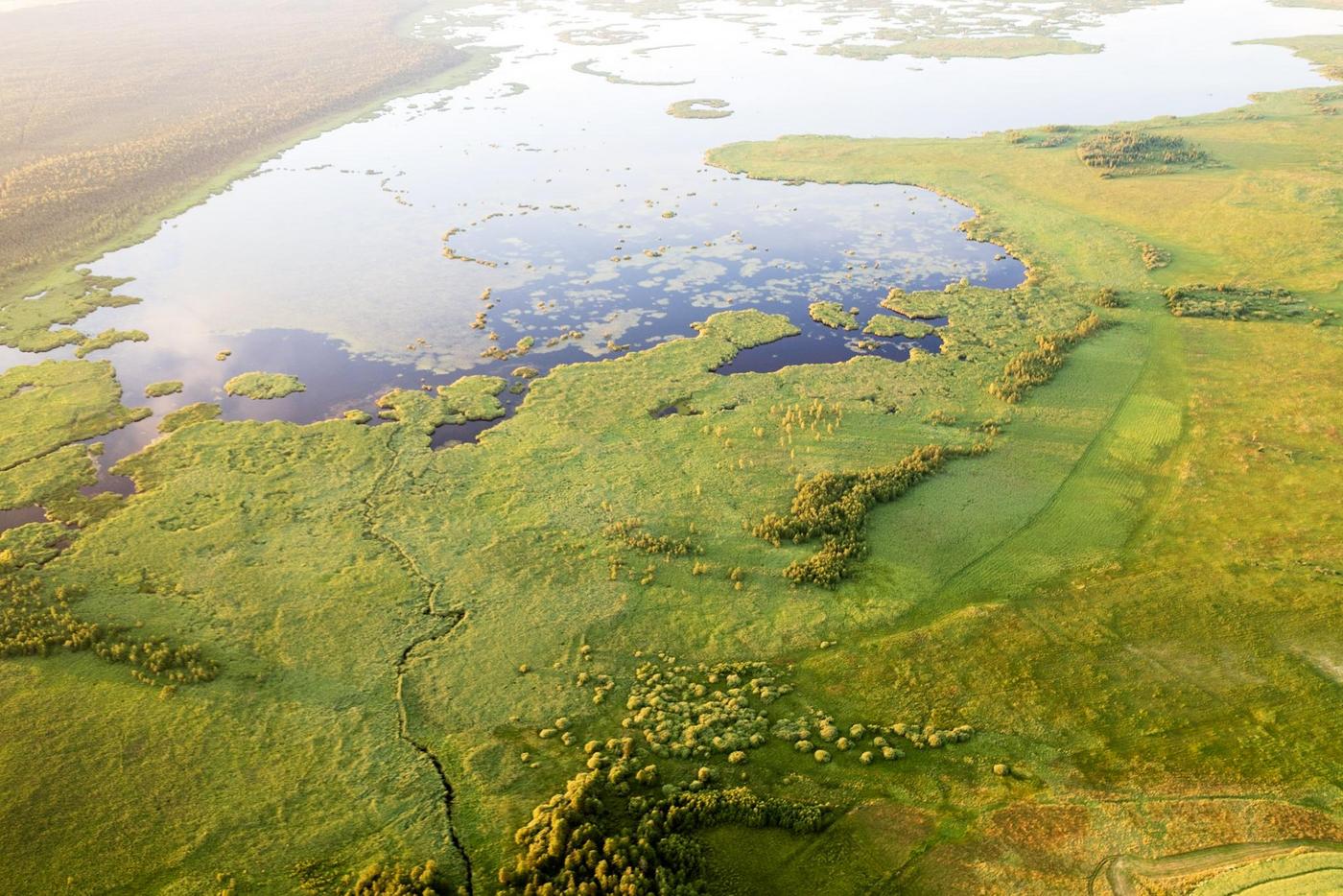
- Wetlands and floodplains: Bogs and floodplains are valuable ecosystems that sequester large amounts of CO₂, retain large volumes of water, and thus help mitigate flooding. At the same time, they provide a habitat for numerous rare animals and plants. These vital functions are lost when these areas are drained. EuroNatur campaigns for the conservation and restoration of wetlands and river floodplains.


Species conservation: A voice for endangered animals
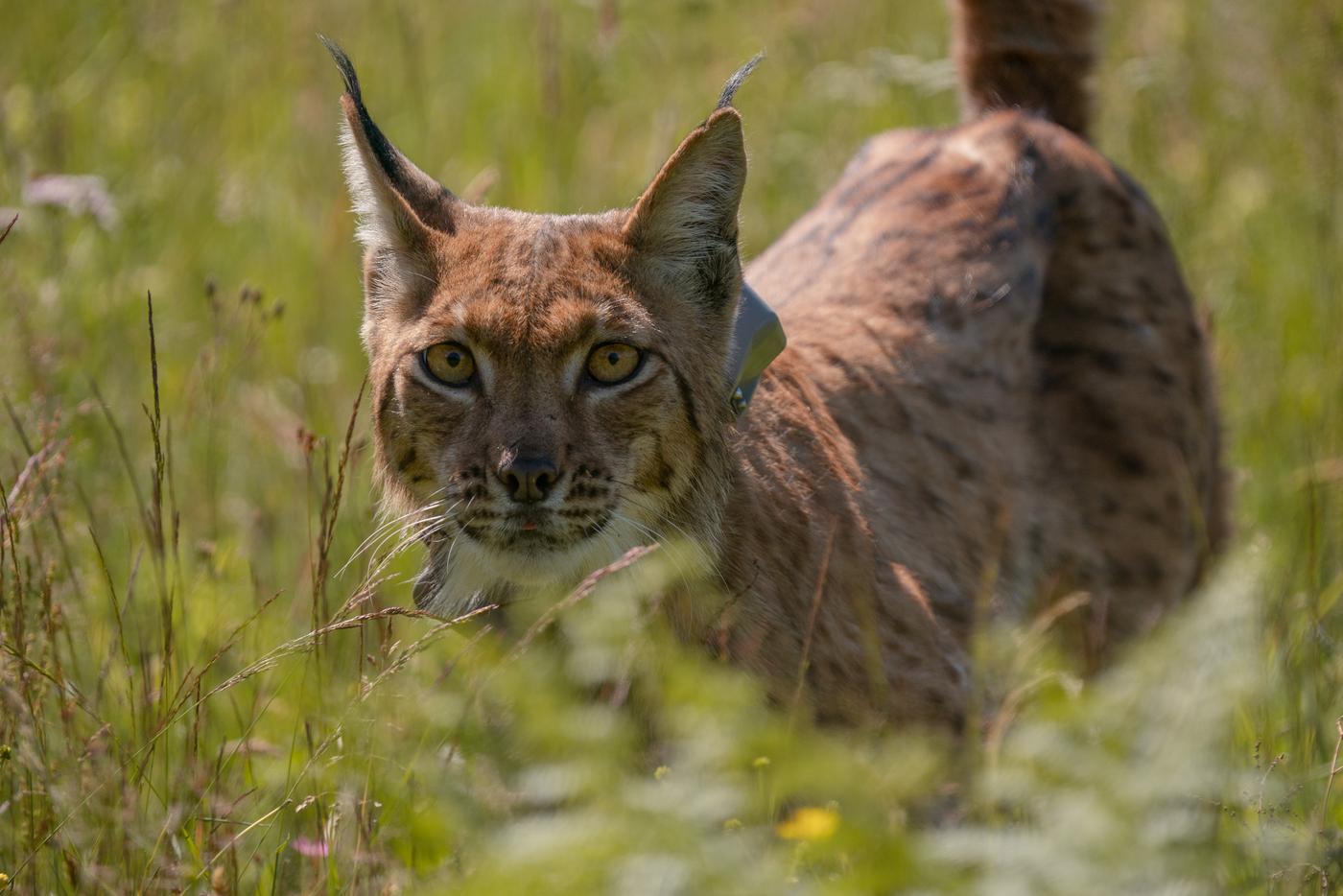
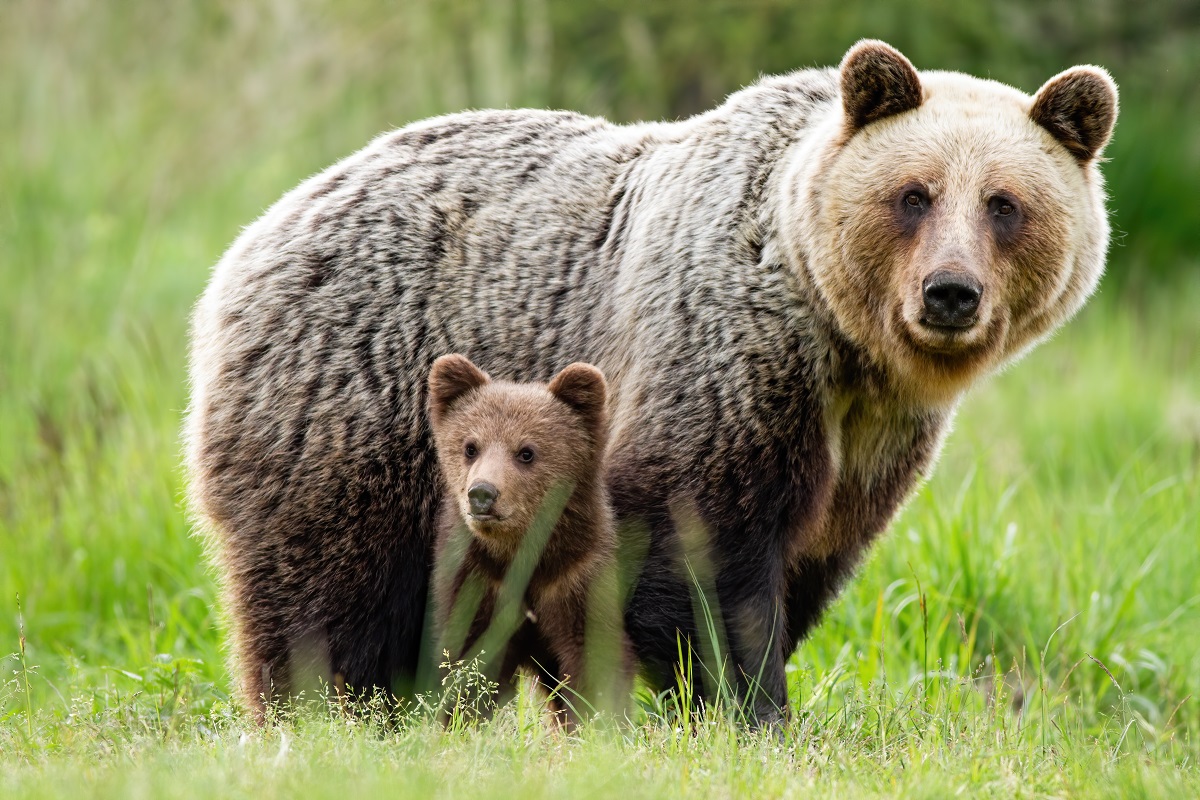
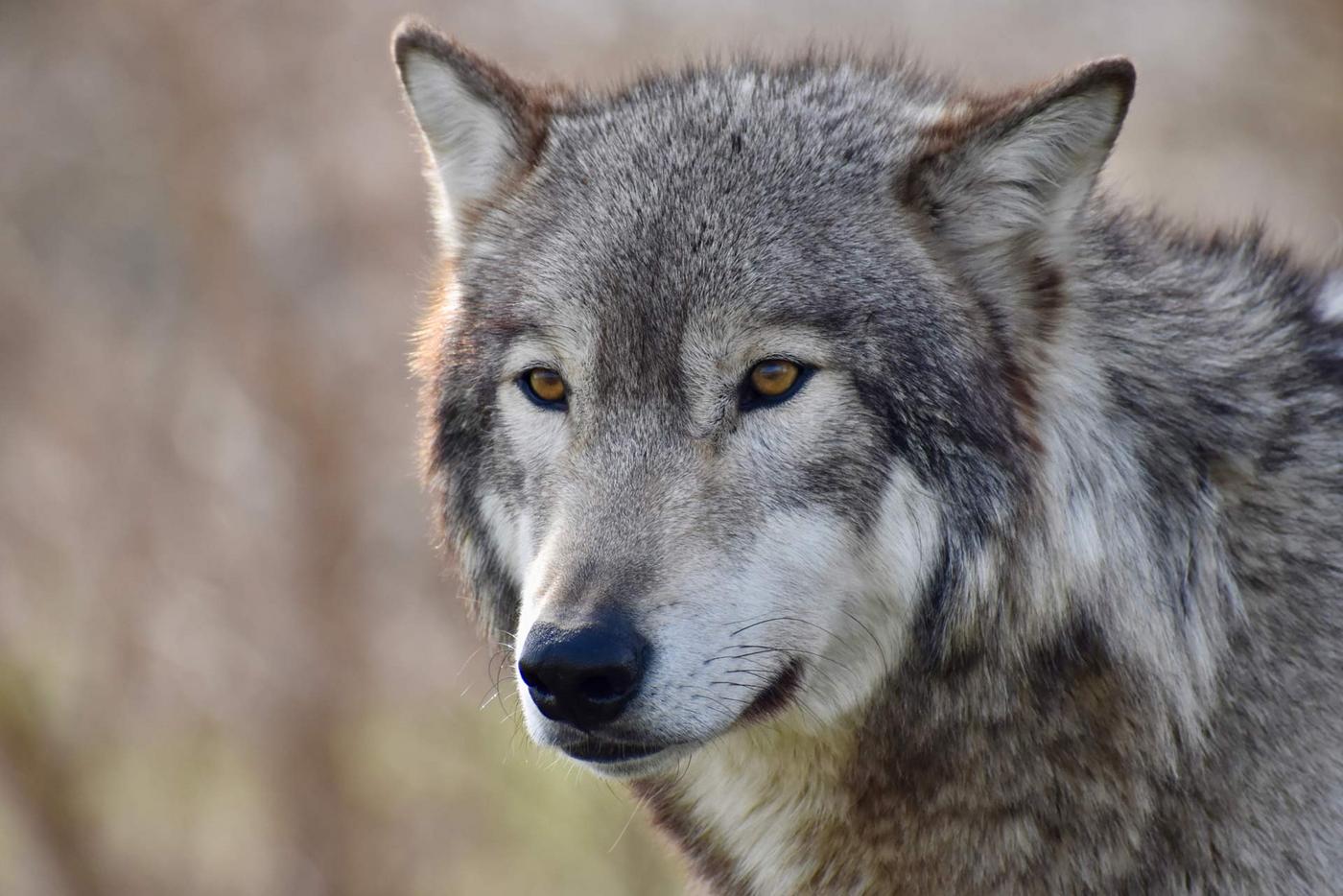
- Bear, lynx, and wolf: these large predators play a vital role in regulating ecosystems, yet they are under threat due to habitat destruction. We support the peaceful coexistence of humans and wildlife, for example, through appropriate measures to protect livestock.
- Migratory birds: Bird migration is a powerful symbol of borderless nature. We protect migratory birds by improving their habitats and taking measures to prevent illegal bird hunting.
- Monk seals: Once widespread throughout the Mediterranean, monk seals were considered among the rarest marine mammals until just a few years ago. Thanks in part to EuroNatur’s conservation efforts, populations have now recovered.
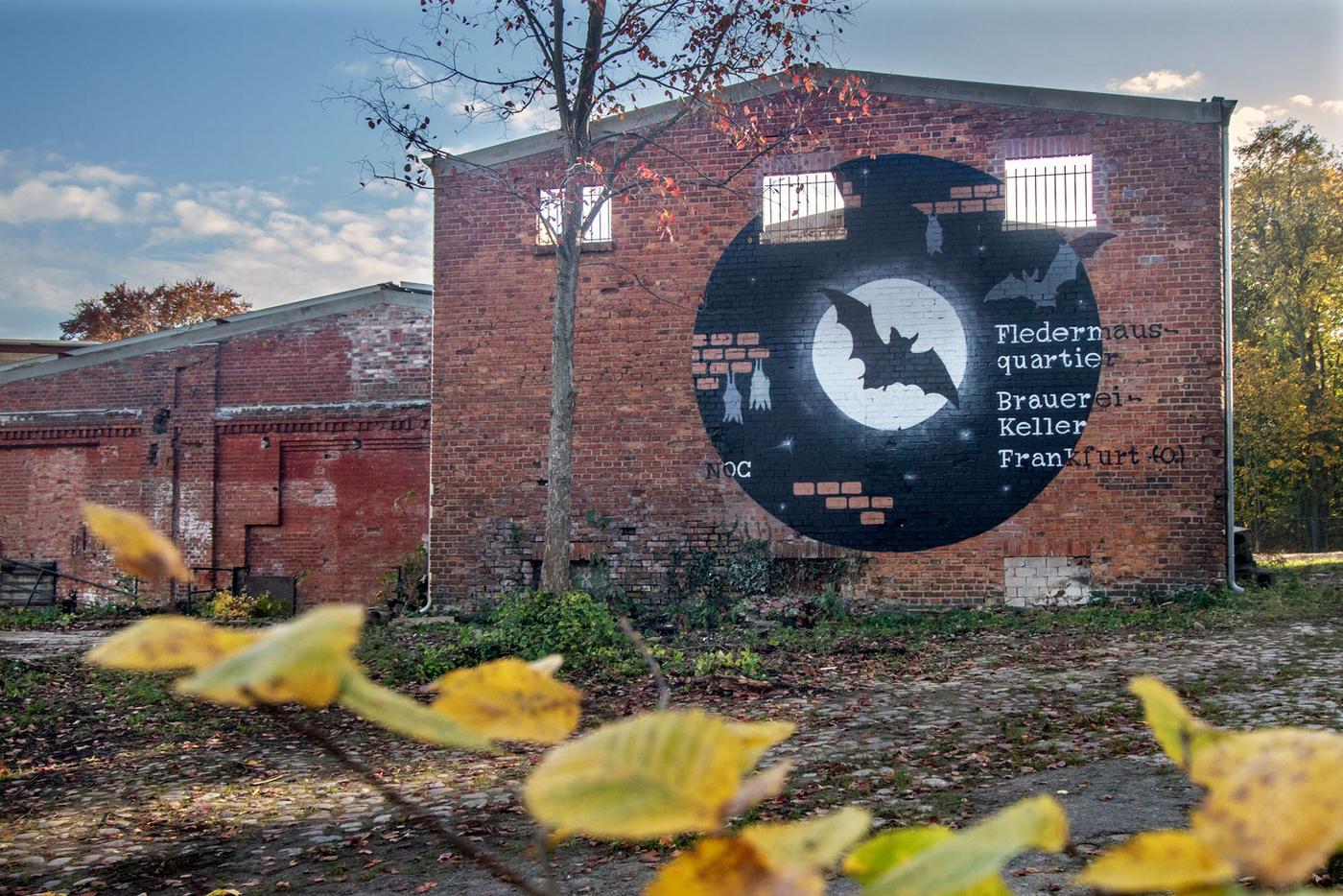
- Bats: All bat species are classified as highly endangered and are protected throughout Europe. EuroNatur is committed to ensuring the provision of safe winter roosts for bats.


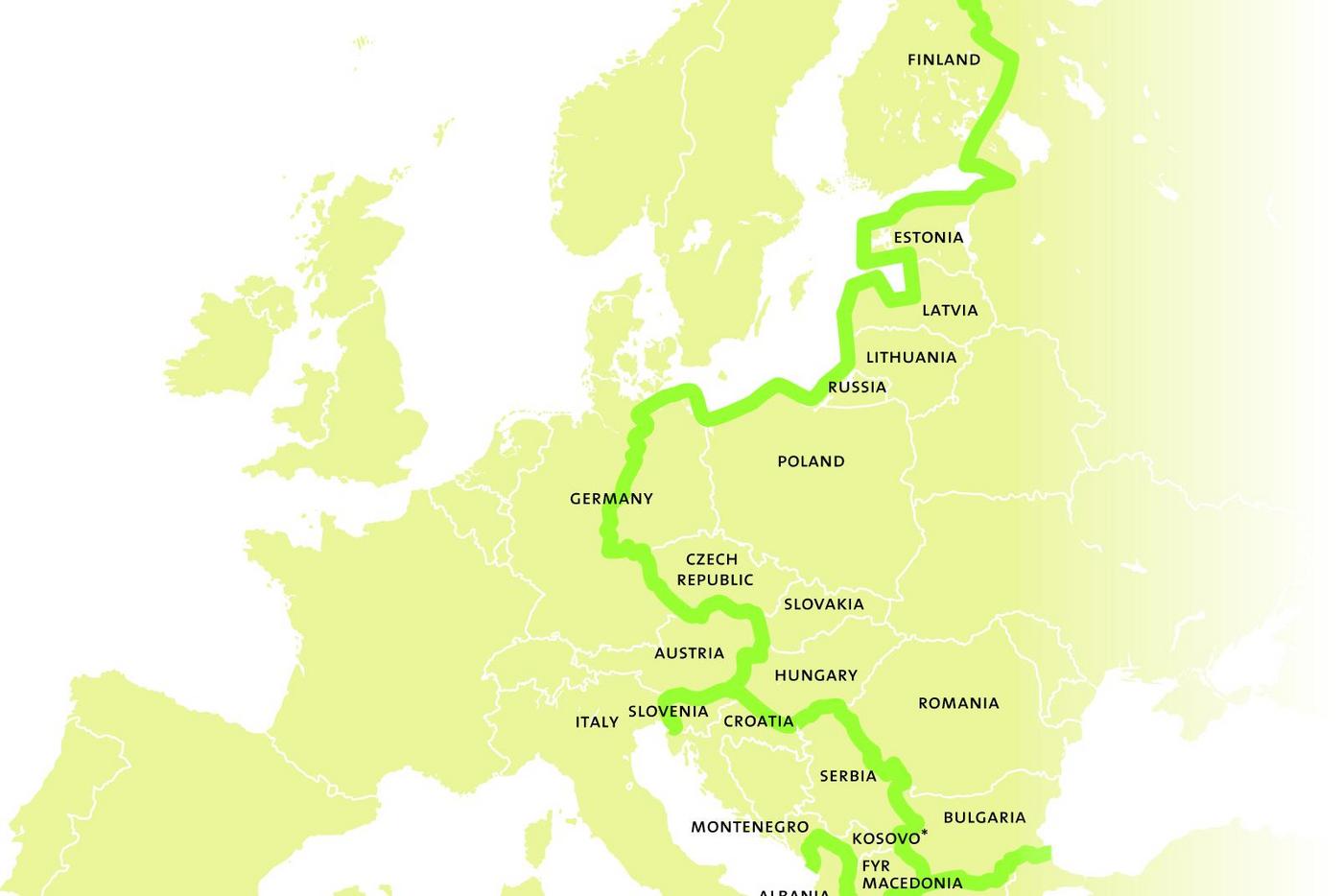
The European Green Belt: Networking for nature
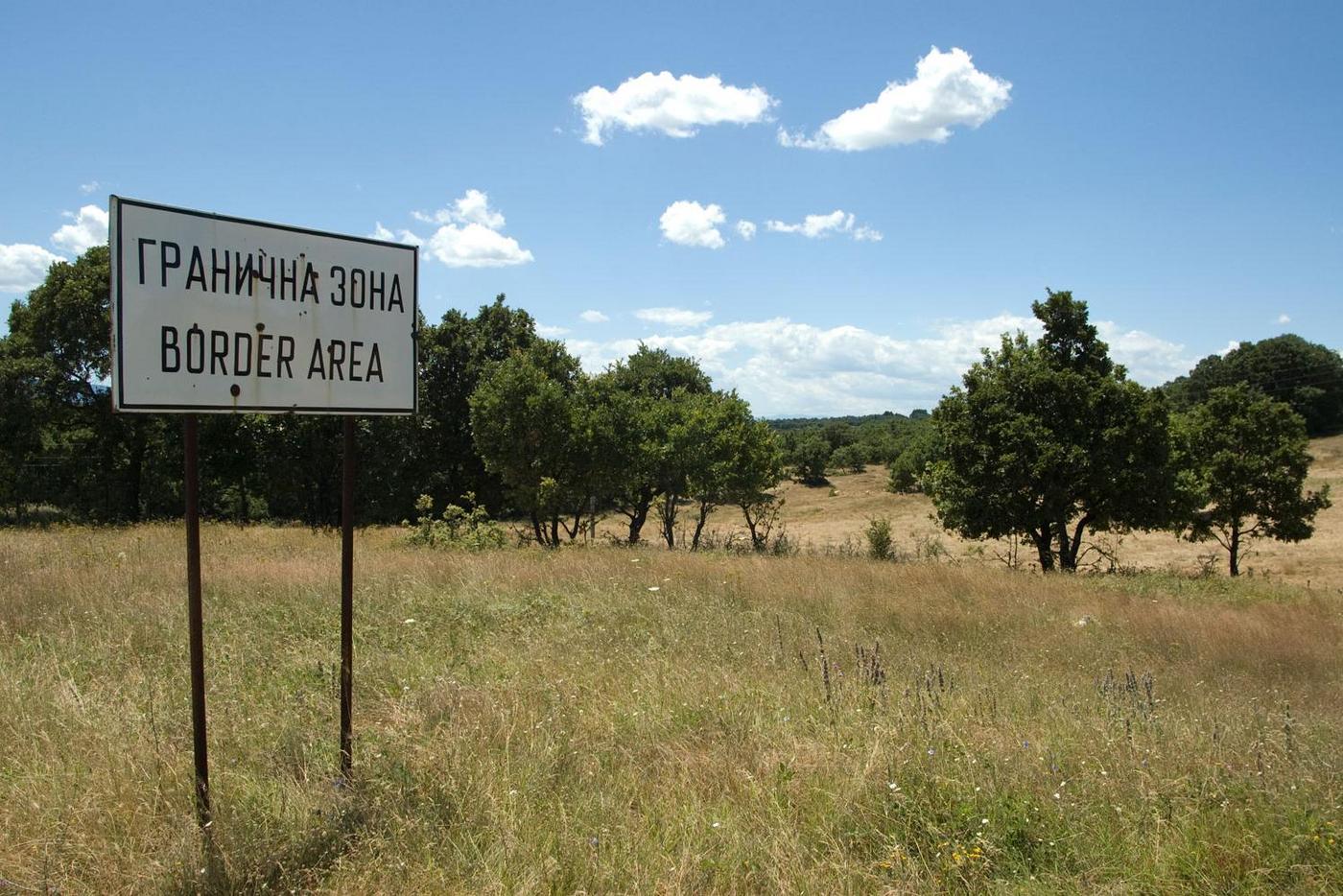
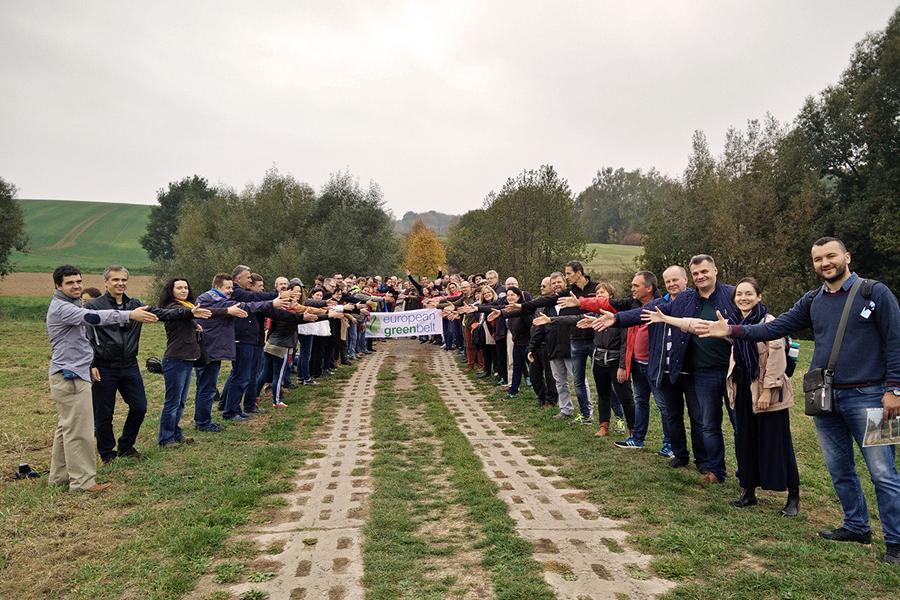
The area along the Iron Curtain of the Cold War was largely spared from human activity. The former border region is home to a multitude of cultural and natural landscapes, which are being protected as part of the European Green Belt project. Thus, the former ‘death strip’ has been transformed into a ‘belt of life’ stretching across Europe.
How you can help
Biodiversity in Europe needs your support! Here’s how you can get involved:
- Donate: Every euro helps protect habitats and carry out projects.
- Become a member or a wildlife sponsor: As a sponsor, you’ll gain exclusive insights into our work.
- Take action: Whether you sign our petitions, attend our events or set up your own fundraising campaign – we welcome any form of support!
- Stay informed: Subscribe to our newsletter to receive regular updates on nature conservation in Europe.