There is still a lot of work for us to do but, together with our partner organisations across Europe and with the support of many EuroNatur donors, we have achieved a great deal for the preservation of Europe's natural treasures over the years. On this page you will find highlights of some of our achievements from over 35 years of conservation work.
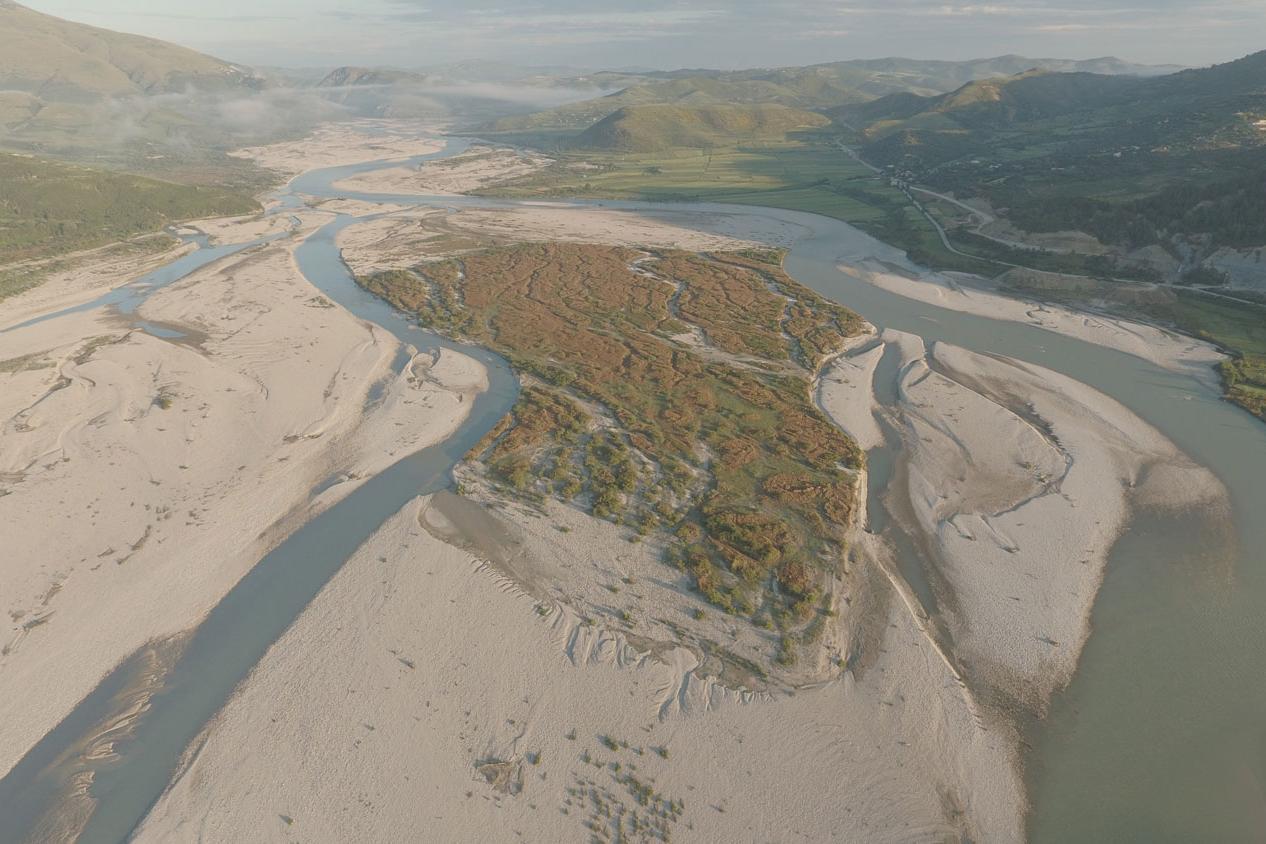
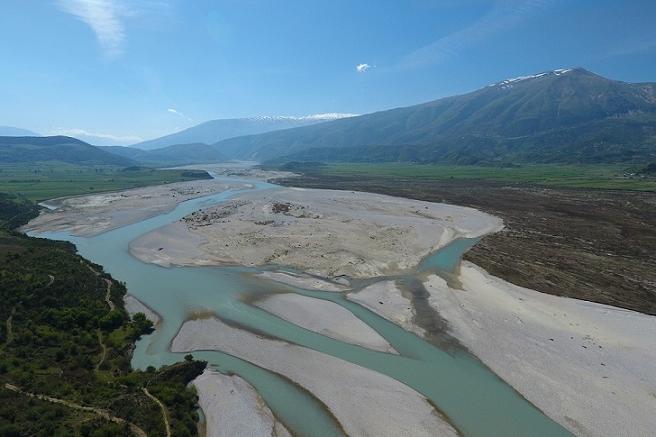
Vjosa Wild River National Park in Albania
The Vjosa, Queen of the Balkan Rivers, is finally protected as a National Park.
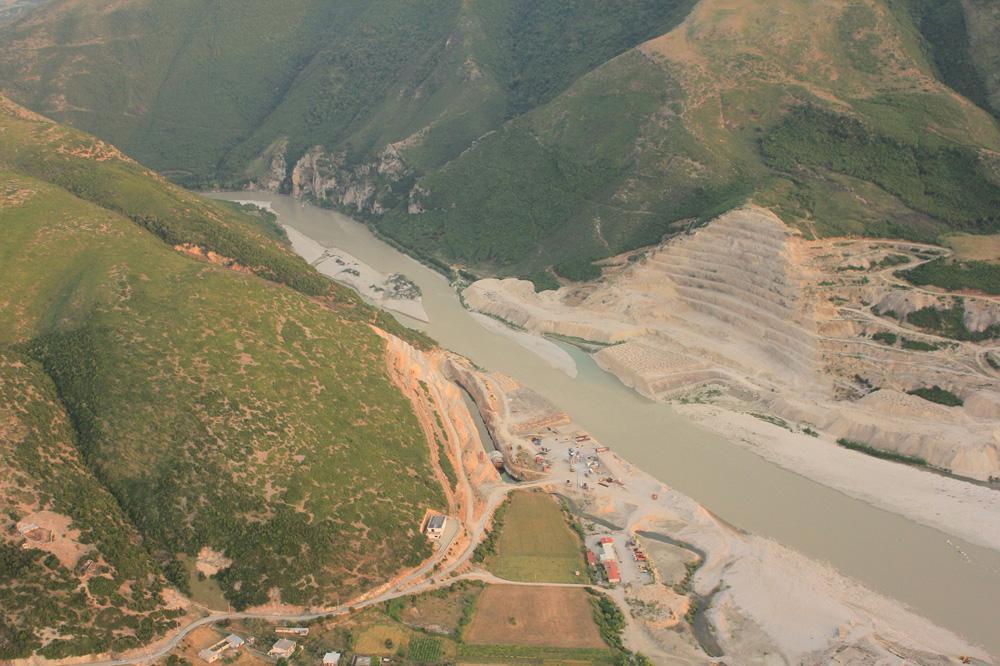
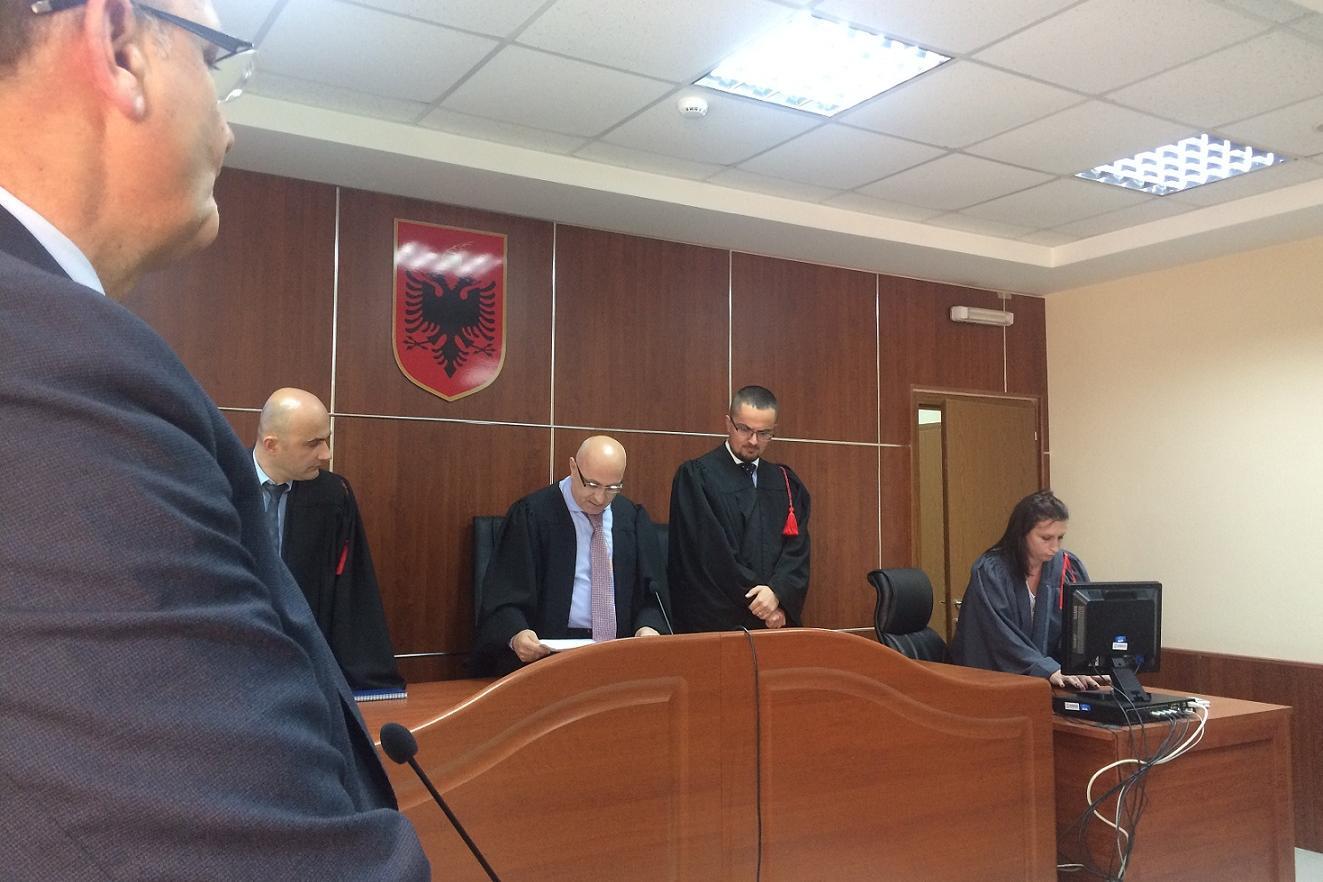
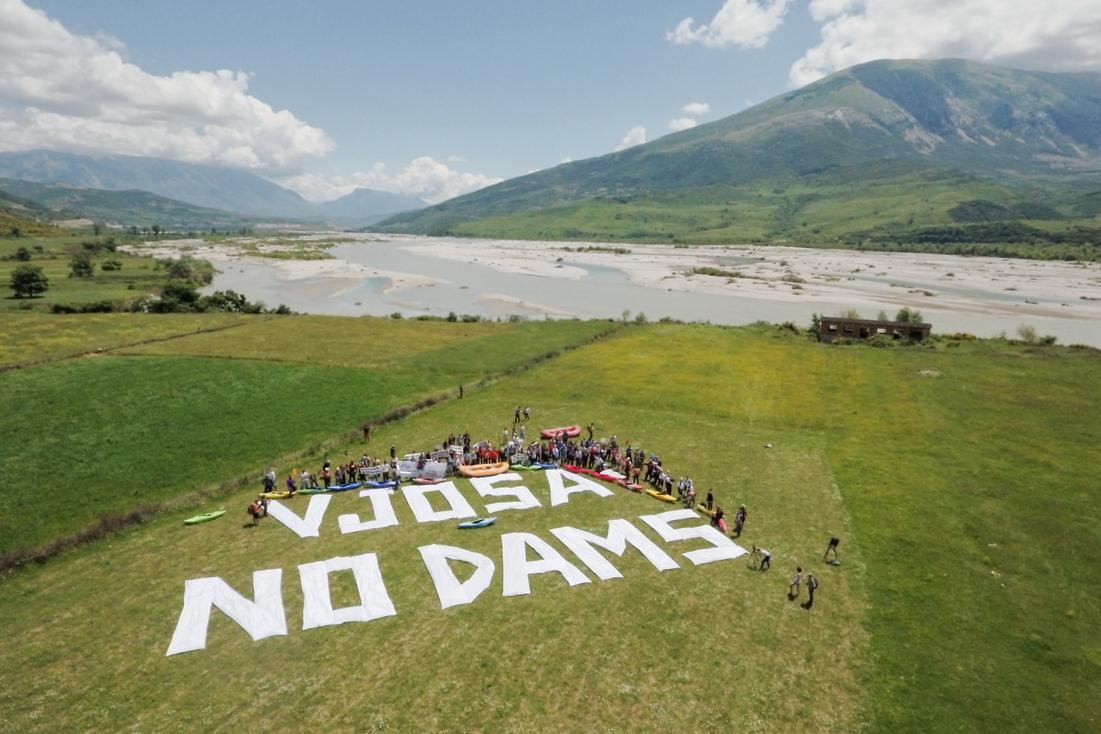
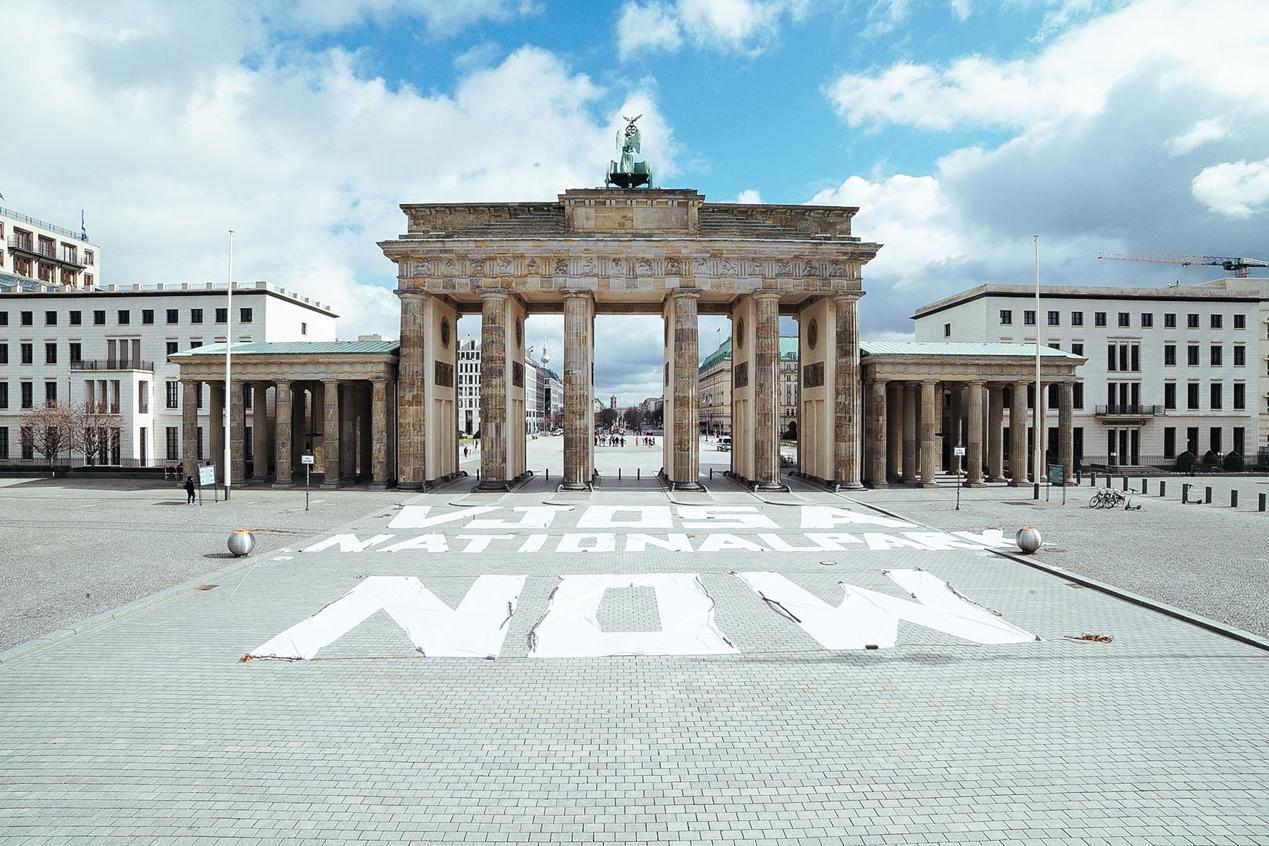
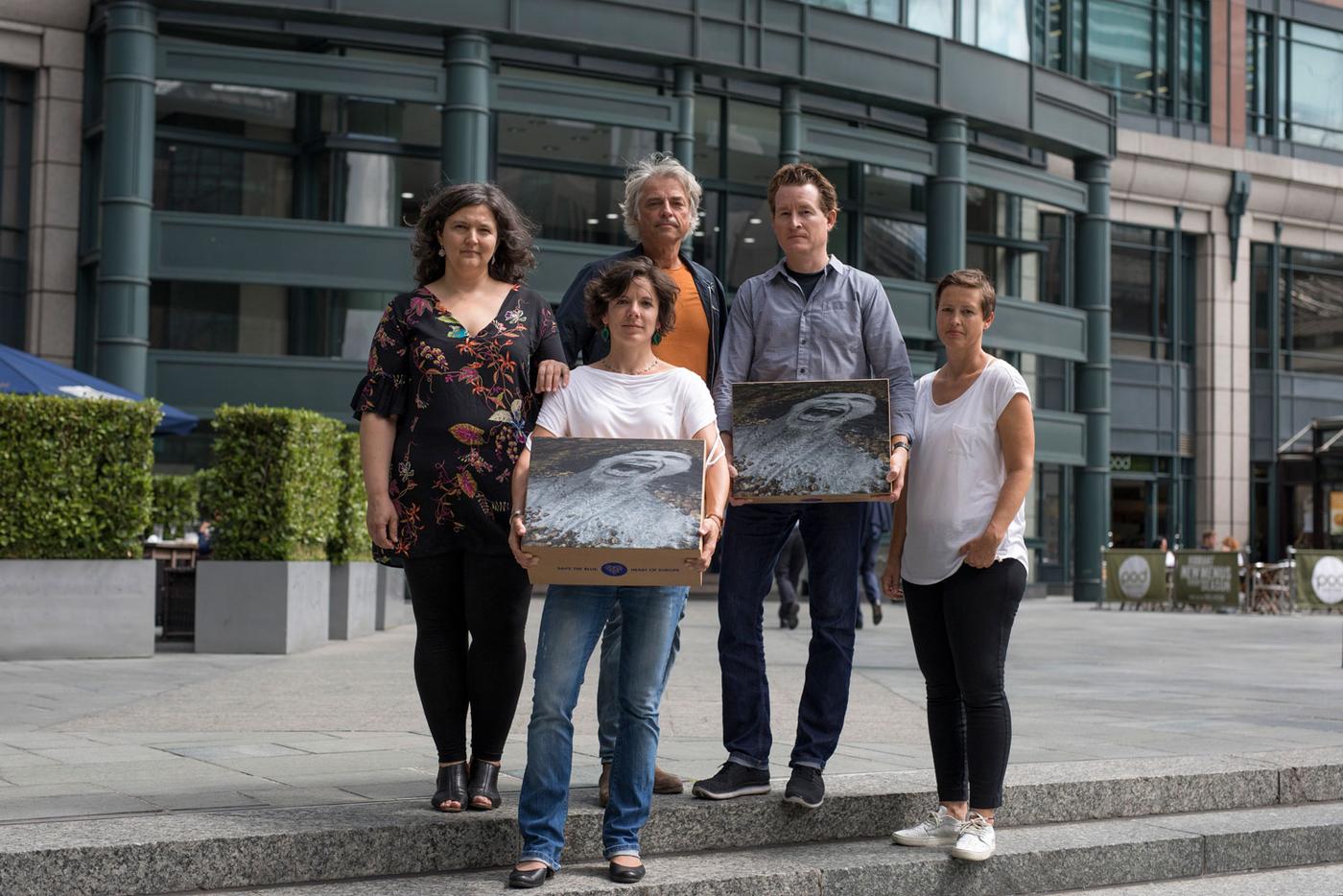
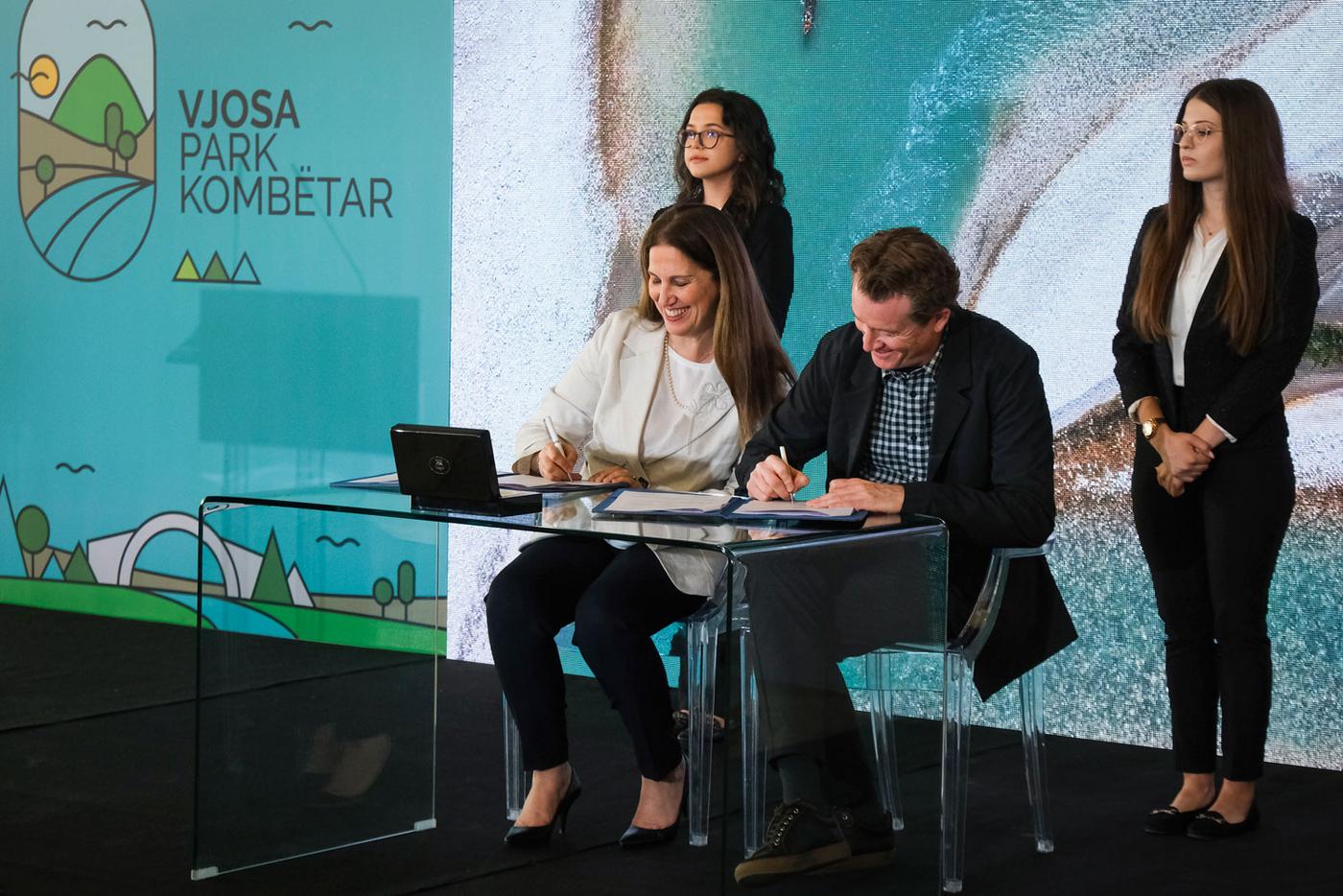
EuroNatur and its partners fought for over ten years for this moment: in court, with petitions as well as in talks with government officials and the local population. And, on 15 March 2023, the Vjosa became Europe’s first Wild River National Park. As a result, the entire Vjosa River in Albania, from the Greek border to the Adriatic Sea including its main tributaries - a river system totalling more than 400 kilometres in length - was awarded the highest category of protection. This is something unique in Europe.
This Wild River National Park is not only a milestone for the Vjosa and Albania, but for river conservation in Europe as a whole. On 15 March, Albania sent an important signal to the world: We must and we can protect our remaining wild rivers on a large scale.
Ulrich Eichelmann, CEO of our partner organisation, Riverwatch
A long road
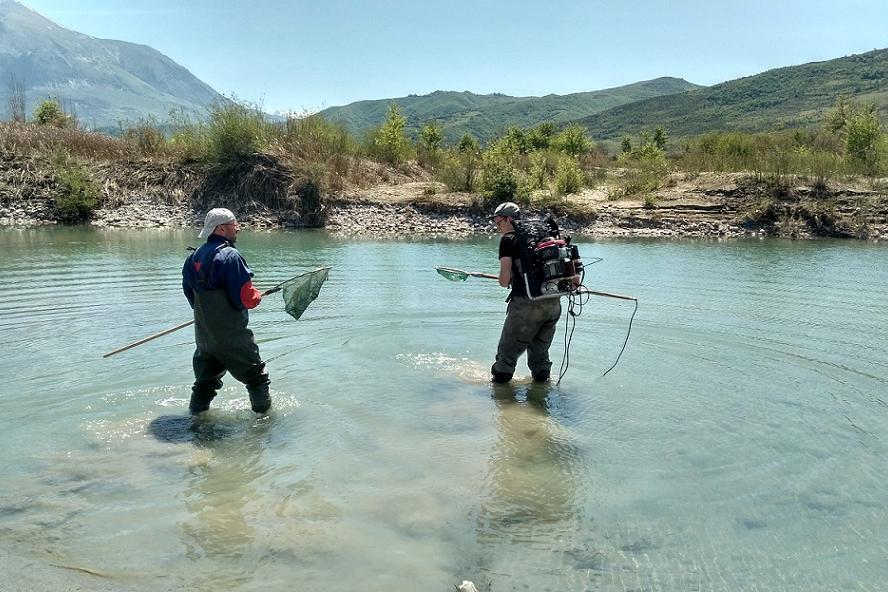
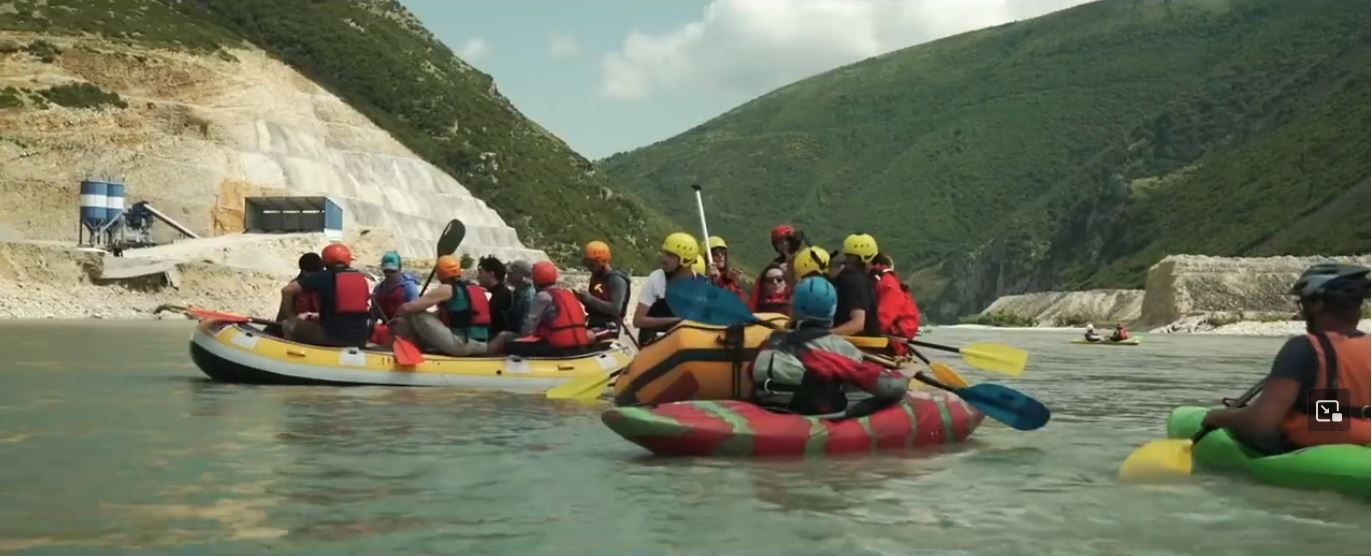
Before we started out on our campaign to protect the Vjosa, there was hardly any talk of how valuable this unspoilt river is - or how endangered. Ten hydropower plants were to be built on the Vjosa. By rallying civil society, undertaking numerous scientific studies, and engaging in intensive media and lobbying work at national and European level, we were able to attract the attention the river needed. This enabled us to stop several dams from being built in the first years of the campaign, and later, we laid the groundwork for the establishment of the Vjosa National Park.
Vjosa National Park - Never given up!
By clicking on the preview image, a video from an external source is integrated. This will transfer your IP address to the external server. Further details can be found in our privacy policy.
This incredibly joyful development for the Vjosa gives local people the opportunity to build a secure and sustainable livelihood, for example through nature-based tourism. It also shows that nature conservation must be thought of in the long term in order to achieve ambitious goals.
Tara Sukic, Project Manager EuroNatur
Press review
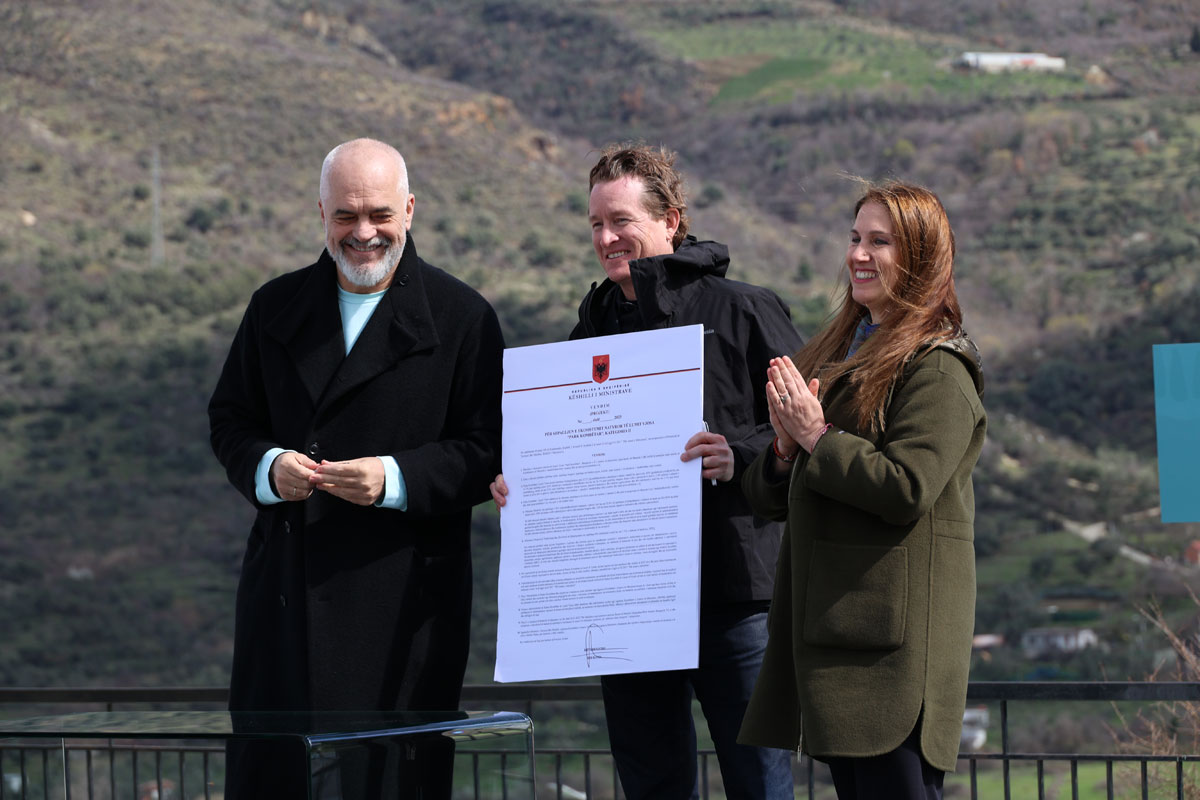
A celebratory moment: (From left to right) Albanian Prime Minister Edi Rama, Patagonia CEO Ryan Gellert and Albanian Environment Minister Mirela Kumbaro after the declaration of the Vjosa Wild River National Park in Tepelena, Albania.
Ulcinj Salina: a nature reserve instead of a luxury resort
Ulcinj Salina is one oft the most important wetlands on the Adriatic. Its long-term protection is a great success for us and our partners.
Thanks to the tireless work of EuroNatur and our partners, Ulcinj Salina is protected both at a national and international level. The development plans are off the table and the salina has been preserved as one of the most important wetlands on the Adriatic. In late summer 2023, our partners also began revitalising the Ulcinj salt pans.
Salt pans on the Adriatic
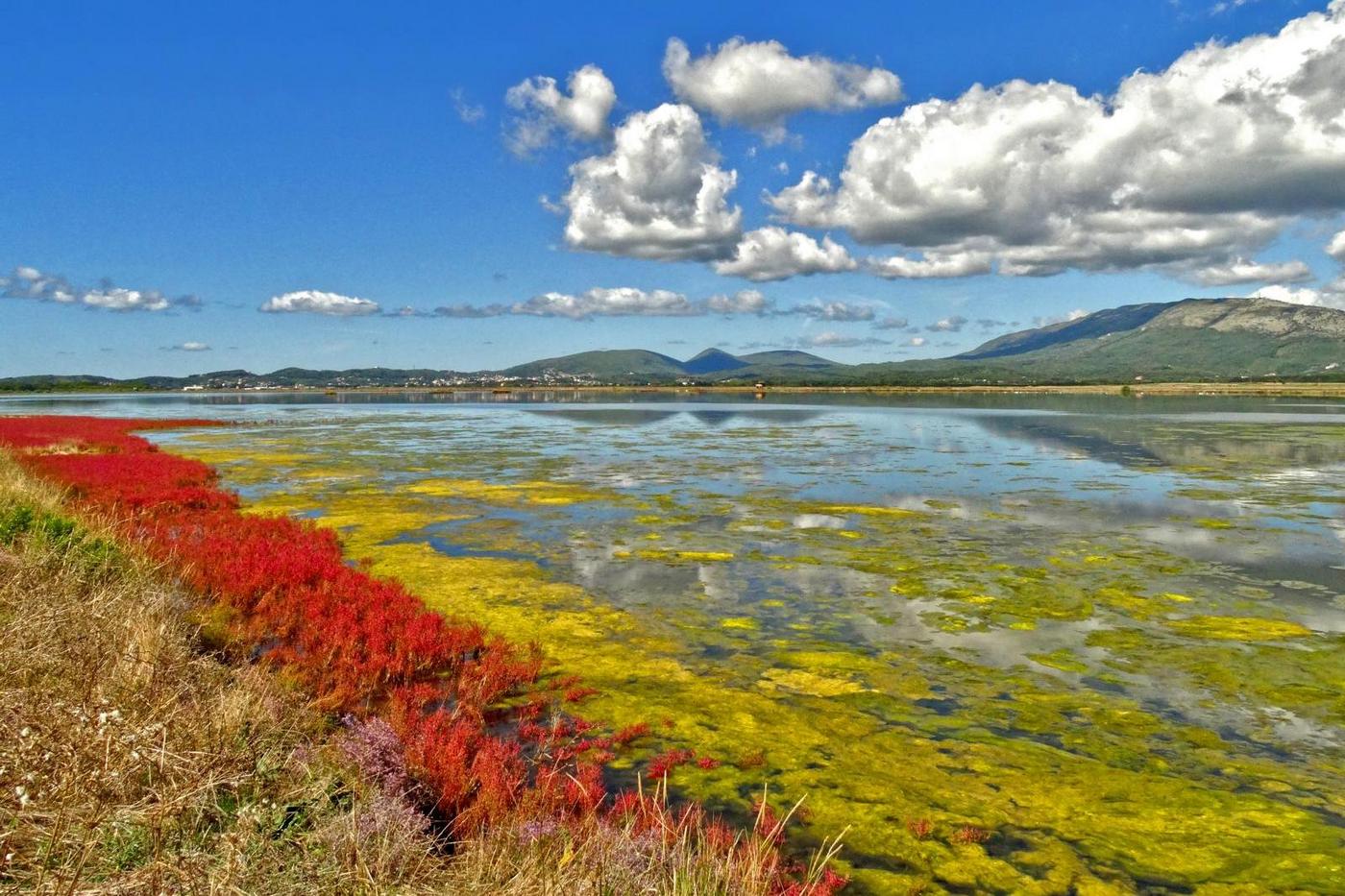
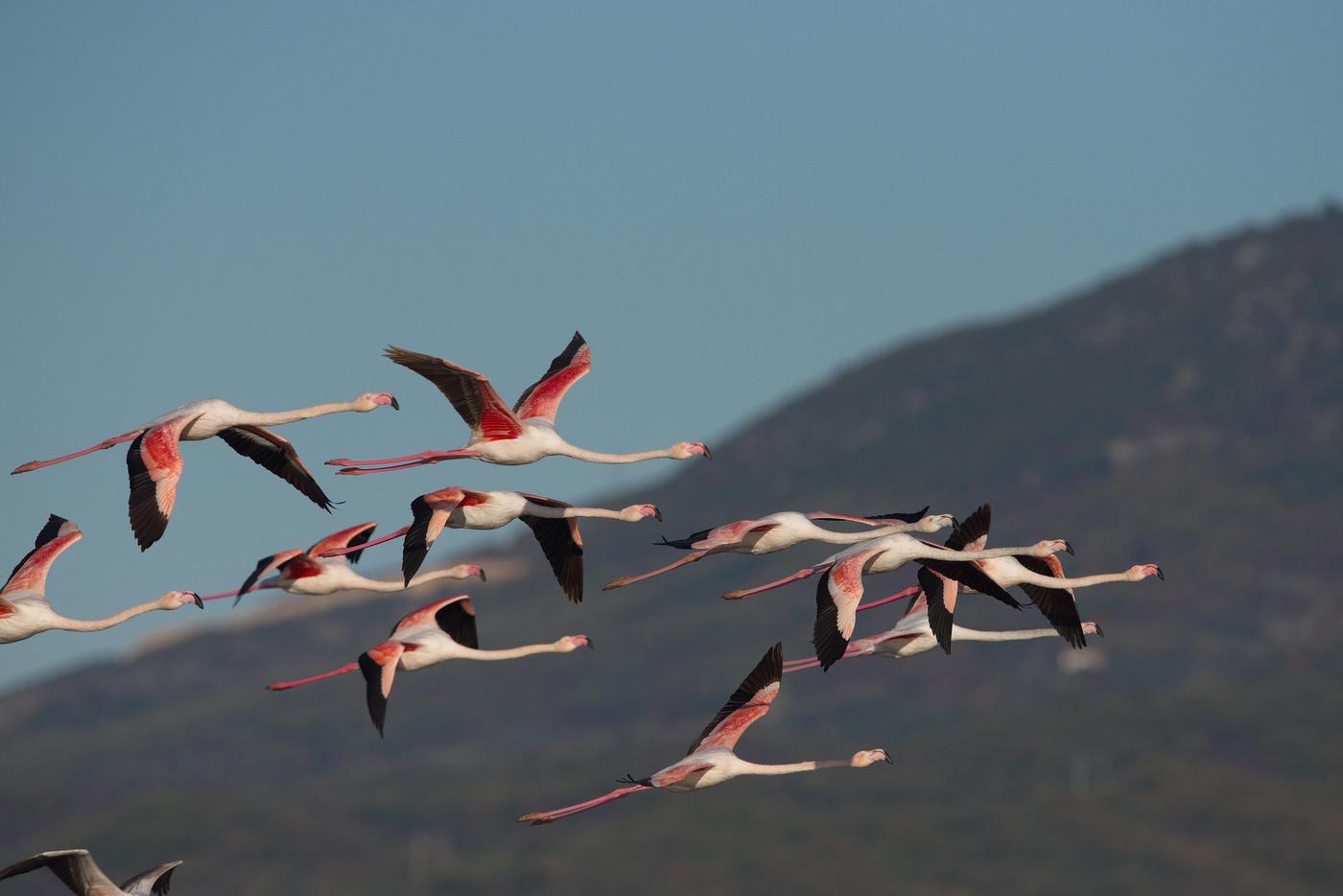
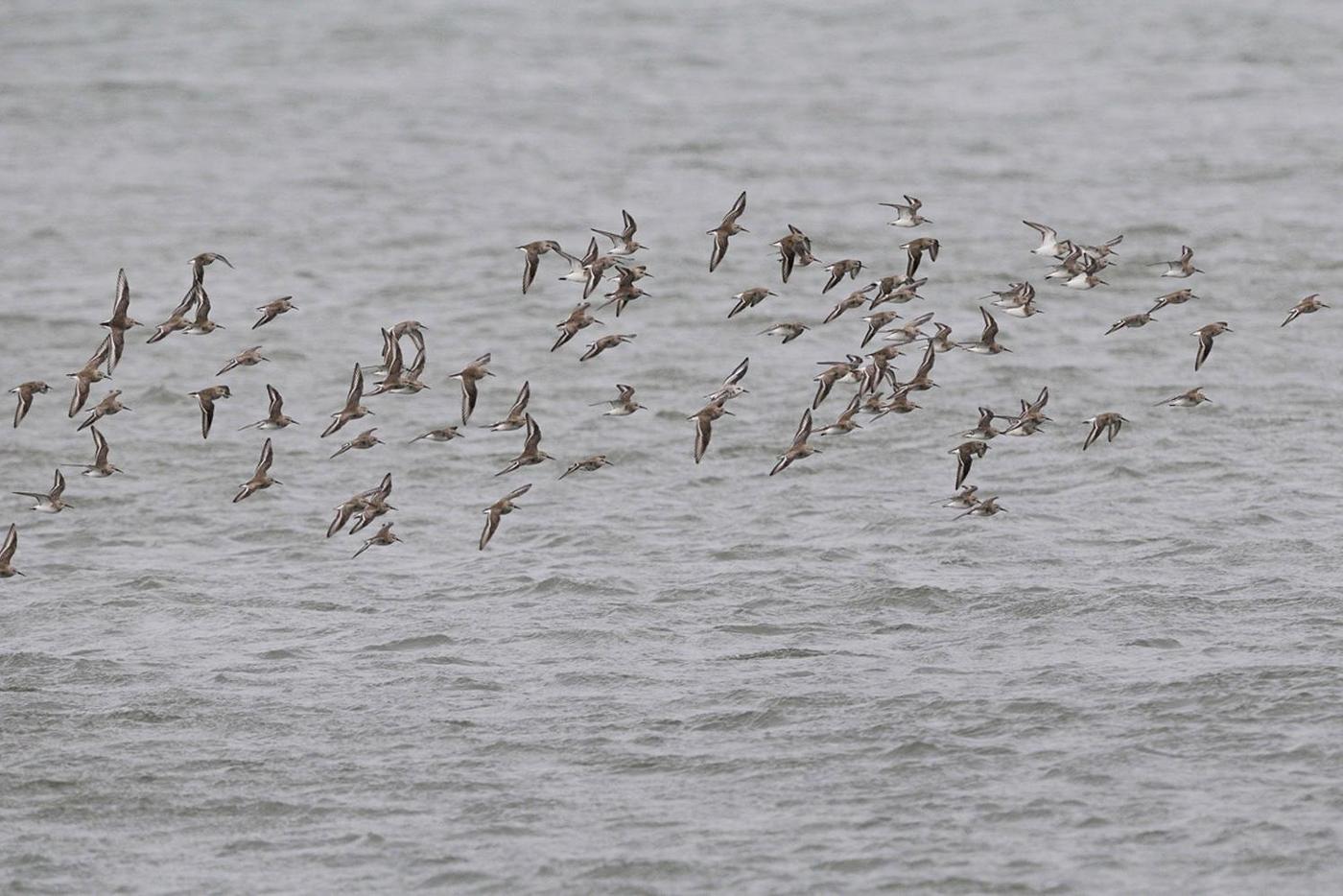
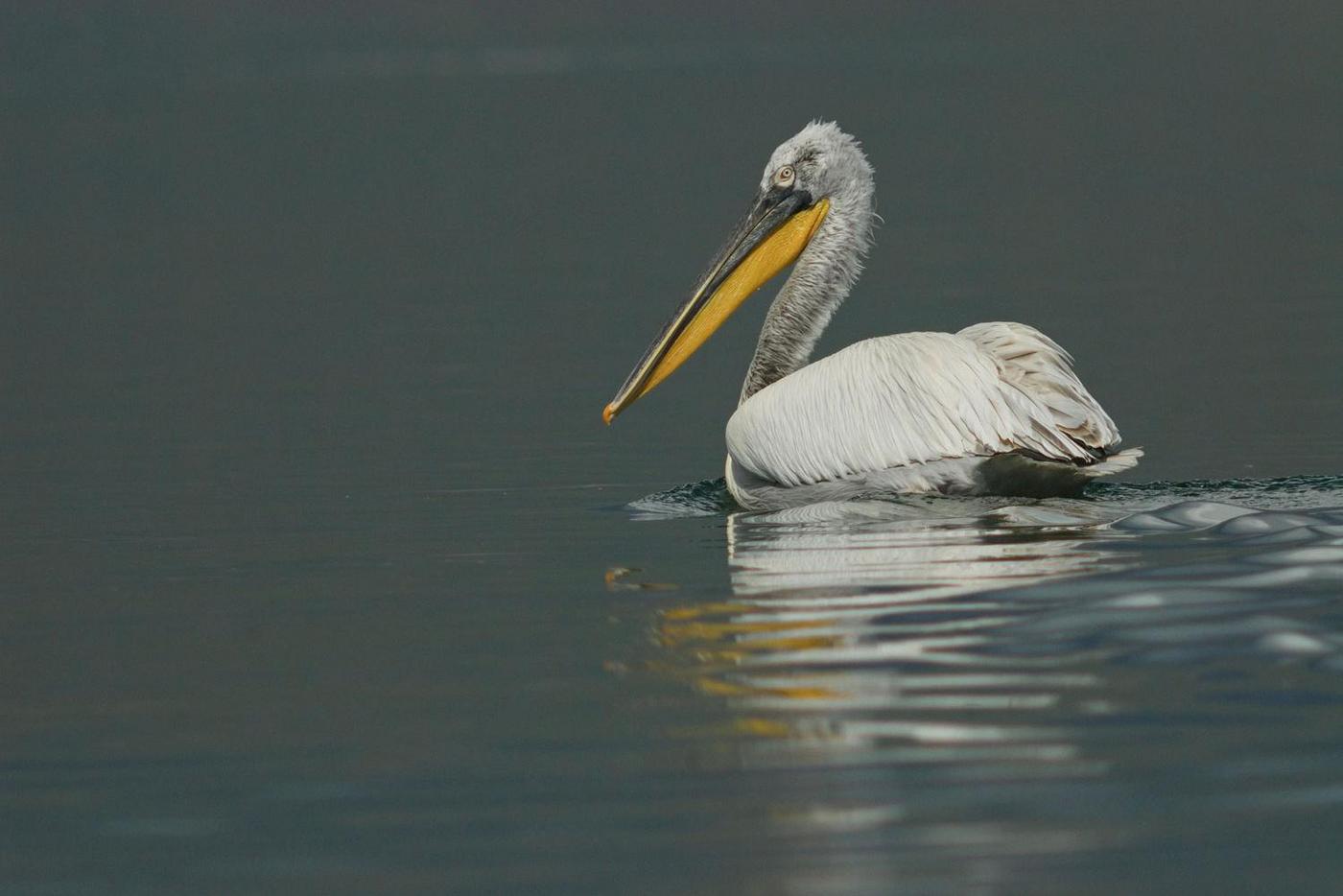
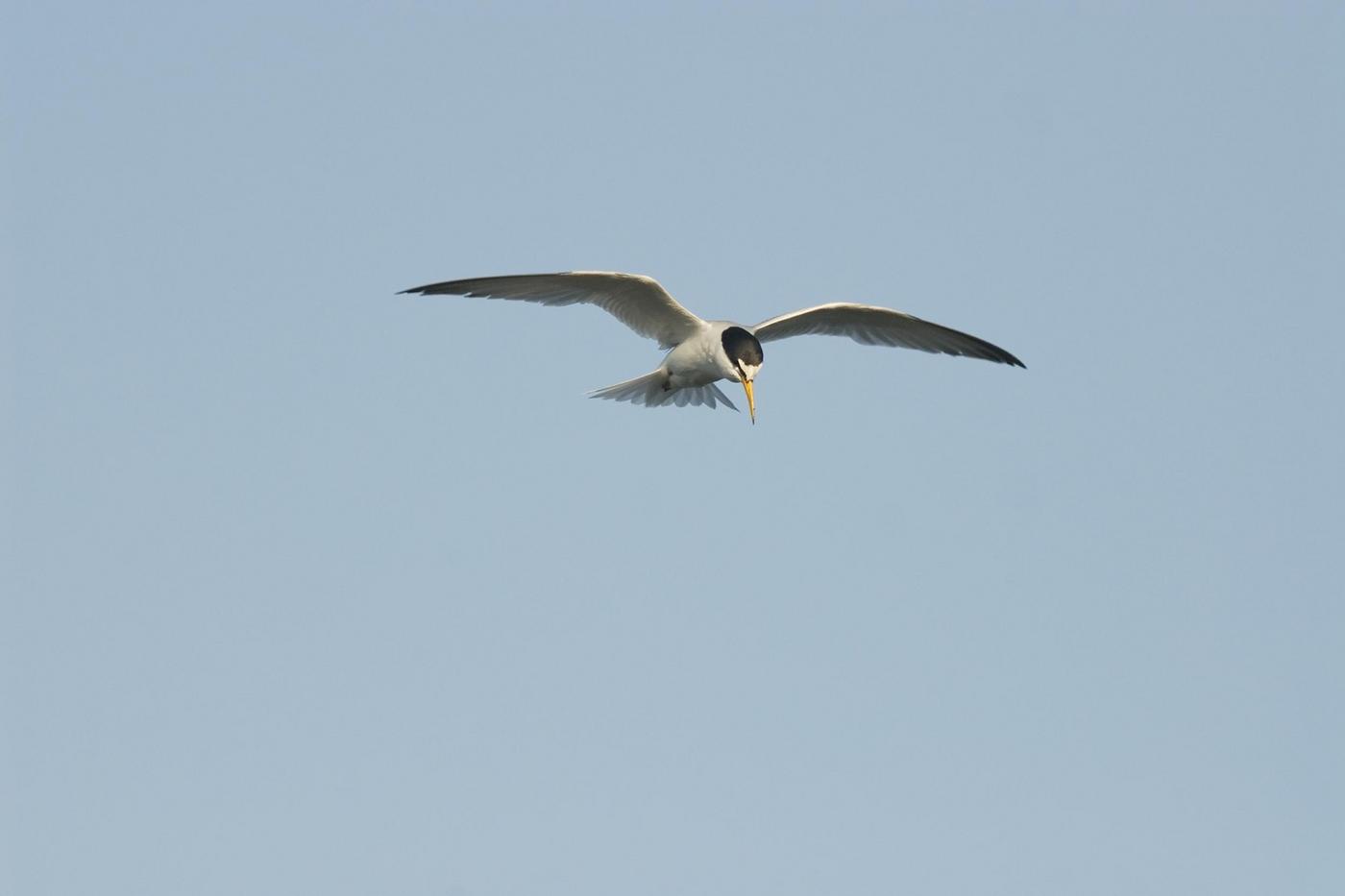
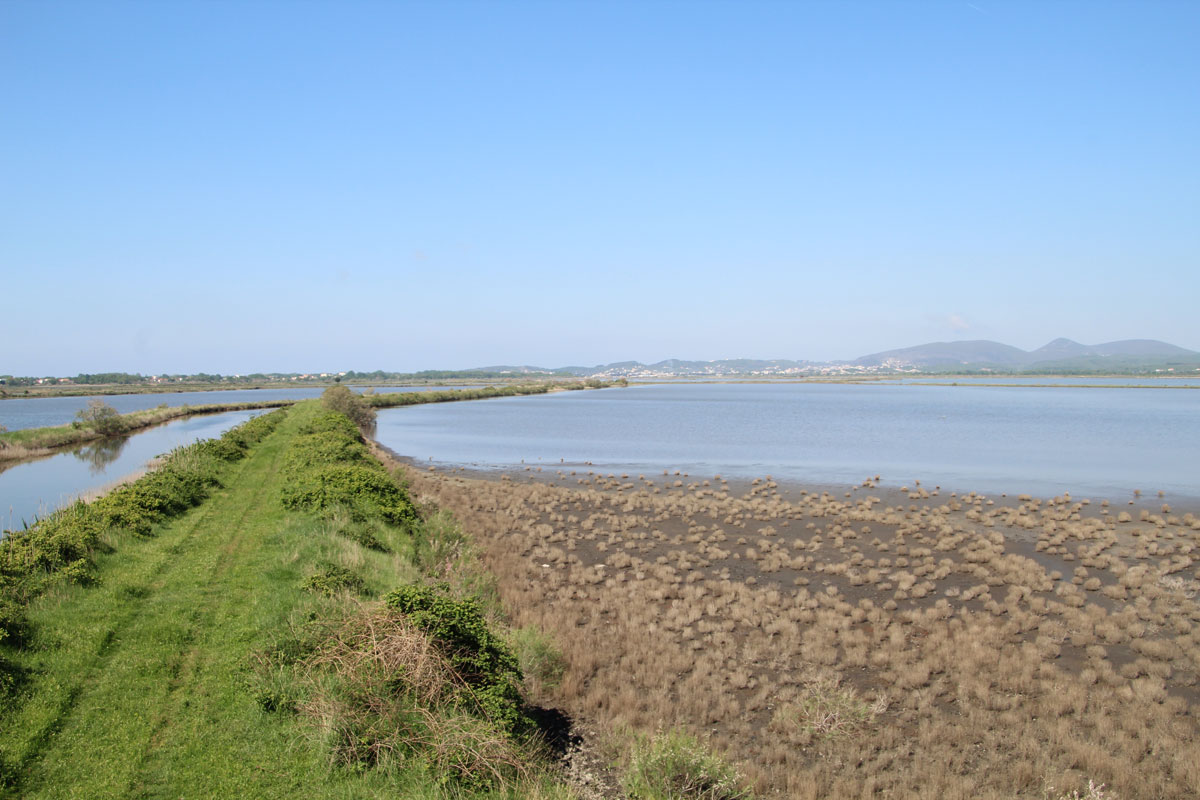
Ulcinj Salina covers an area of almost 1,500 hectares near the town of Ulcinj in southern Montenegro. It is particularly valuable and unique in the eastern Adriatic region due to its size and high biodiversity. The salt pans are a breeding ground for around 60 bird species and the most important wintering and resting area along the Adriatic Flyway for countless migratory birds. Among them are flamingos, black-winged stilts and the very rare Dalmatian pelicans, which forage in the shallow waters. The Ulcinj Salina is also home to many endangered species of fish, amphibians, reptiles and plants.
Opaque machinations
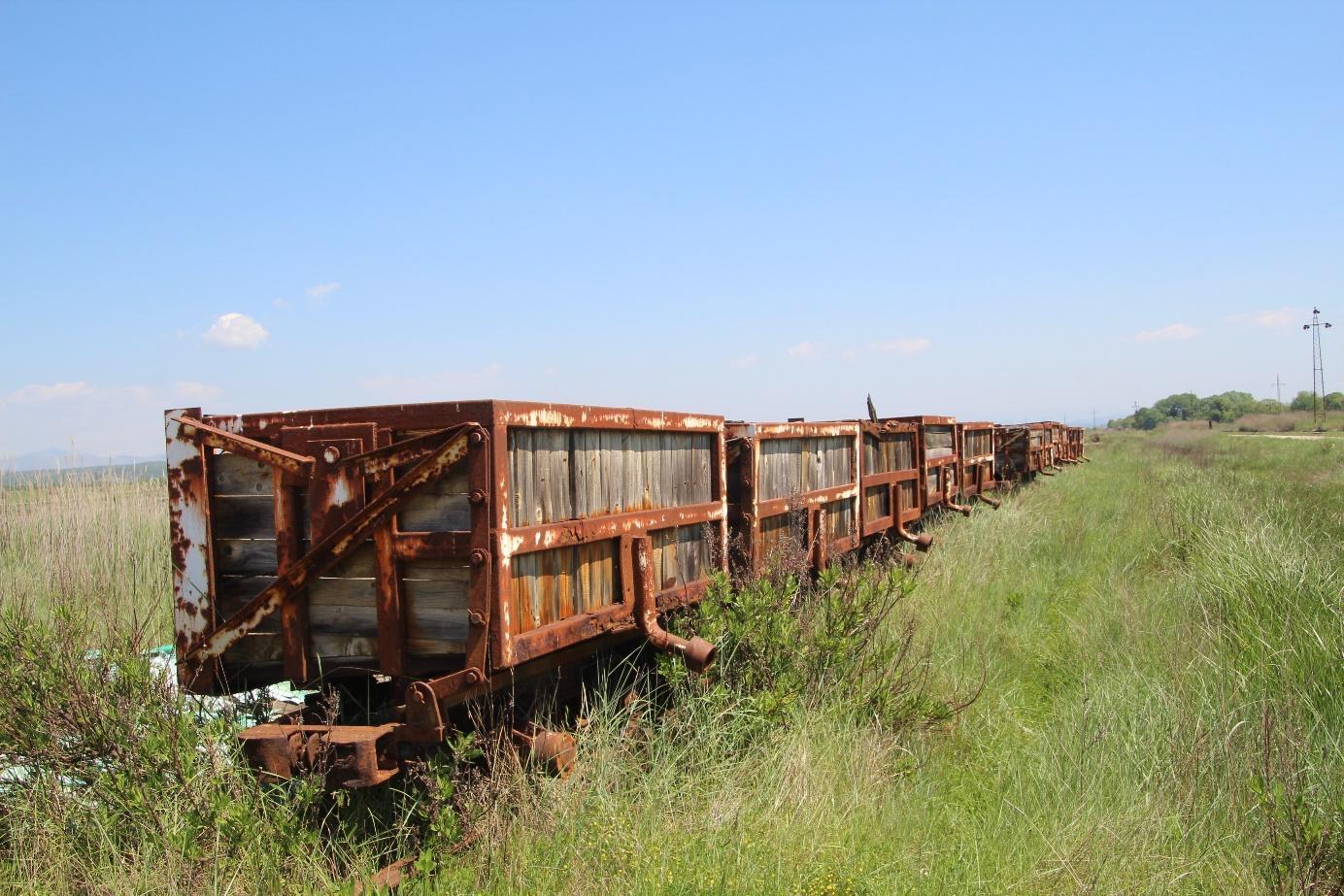
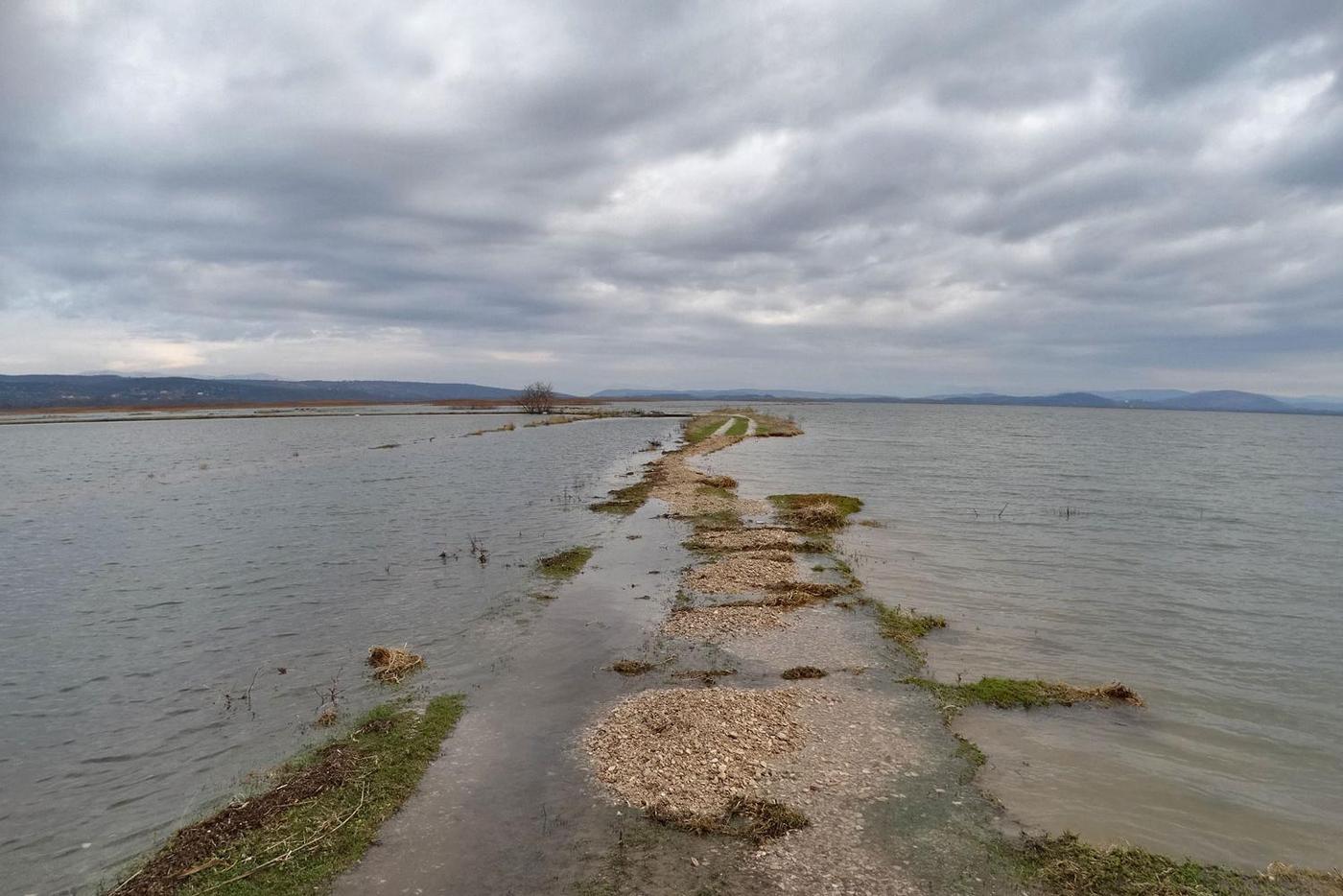
Since the abandonment of salt mining in the Ulcinj salt works, dilapidated dams and dykes have repeatedly caused flooding. As a result, the former salt basins have become sweetened.
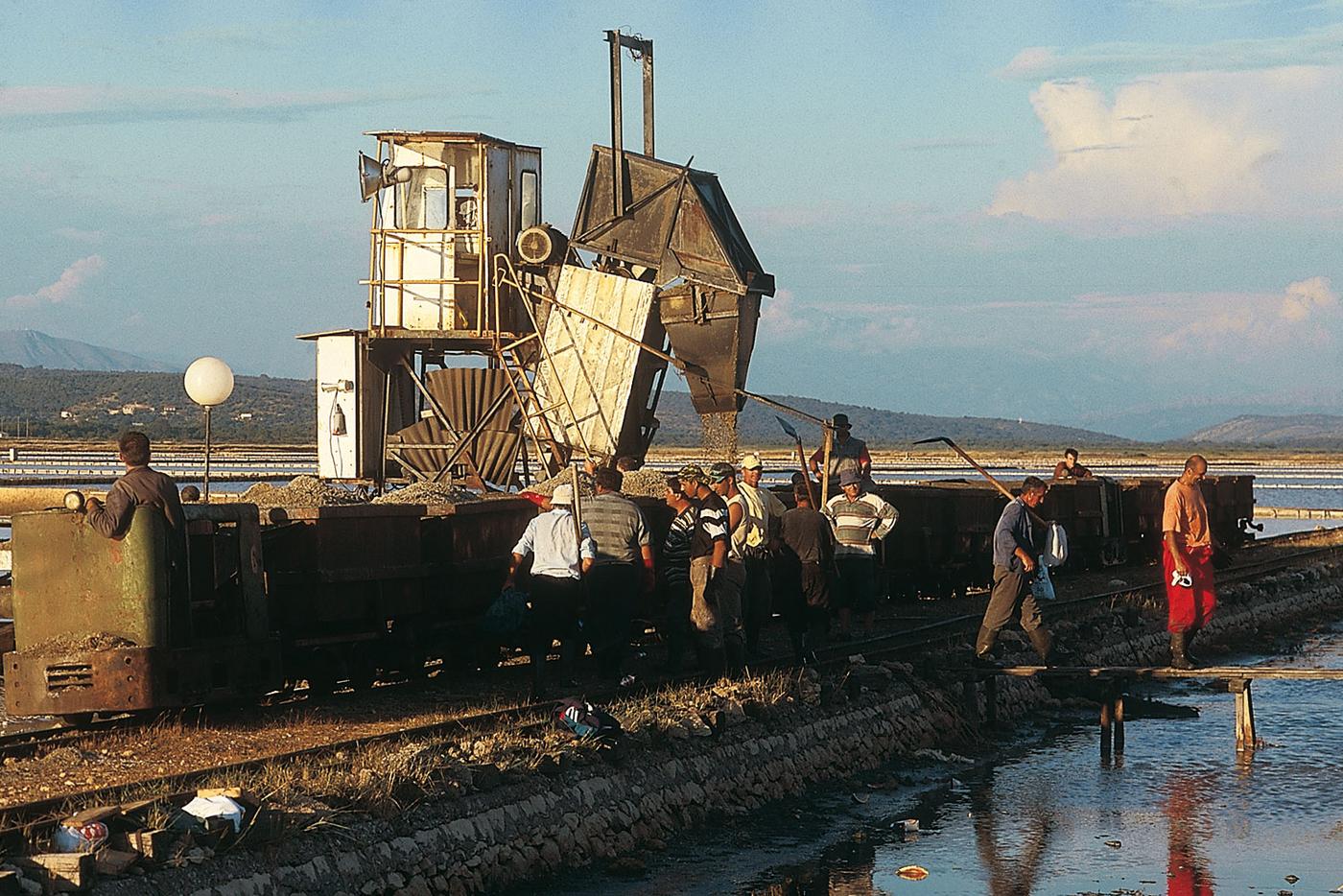
From the start of salt extraction in 1935, Ulcinj Salina provided work for up to 400 people. After privatisation in 2005, however, the salt works were systematically run down. This led to the salt works being closed eight years later and all the salt workers being made redundant. As the disused infrastructure (including dykes, pumps and canals) was barely maintained, the ecological condition of the salt works deteriorated dramatically. The finely adjusted water balance no longer pertained: in summer, large areas dried out, while in winter the salt concentration in the water in the salt ponds became too low due to dilution by rainfall - a catastrophe for saltwater-loving species.
At the beginning of our campaign work in Ulcinj Salina in 2017, this area on the Adriatic was neither legally protected nor was it clear exactly which areas had been privatised by the dubious Eurofond consortium in 2005. However, the plans of the consortium, which had close ties to Montenegro's long-time Prime Minister Milo Đukanović, were well-known: the salt pans were to be developed into a gigantic luxury resort with mass tourism hotels and marinas.
Together with our Montenegrin and international project partners, we campaigned against these plans. In 2019, we were able to celebrate our first major success: Ulcinj Salina was declared a nature park. This national protection paved the way for the saltworks also to be designated at an international level as a Ramsar site. A milestone for EuroNatur and its international and Montenegrin partners, who have been campaigning for the protection of this bird paradise for 15 years.
We know that EuroNatur has been constantly at our side supporting us for over 20 years in our great endeavours for Ulcinj Salina! This has been a very important contribution to our organisation, the saltworks and also the people of Ulcinj.
Marija Šoškić, CZIP
For salt. For birds. For people.
However, until the ownership issue was resolved, it was difficult to find an investor to restore and operate the salt works. In July 2022, we finally achieved certainty when the entire site of the Ulcinj salt works was entered into the land register of the city of Ulcinj as state land.
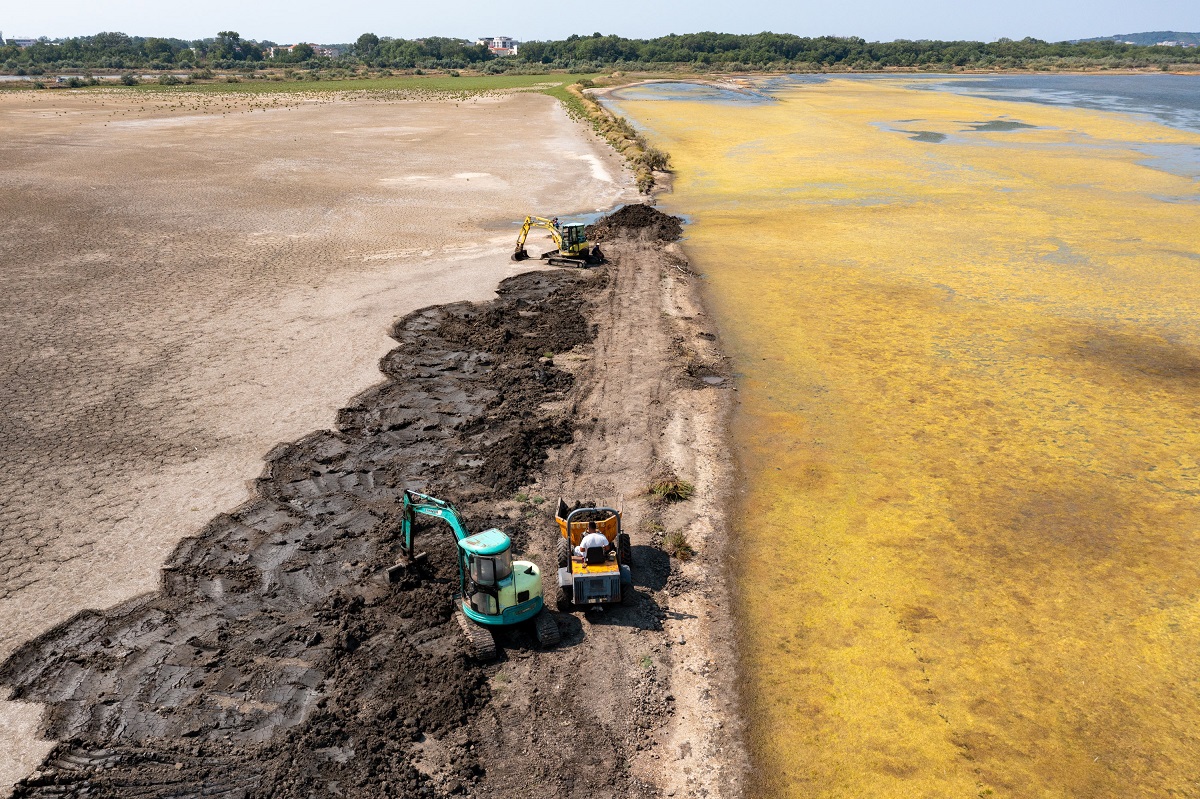
In the late summer of 2023, after a few more obstacles were placed in the way of our partners and EuroNatur, actual restoration measures could finally be undertaken. Excavators removed soil from the salt basins over a length of 6.6 kilometres and piled it up to form new dams. Parallel to the excavation work, the most important sluices and pumps were also repaired so that the pumping out of fresh water in winter and the pumping in of salt water in spring could operate again and restore the flow of water between the individual basins of the salt pans.
Restoration measures in Ulcinj Salina
By clicking on the preview image, a video from an external source is integrated. This will transfer your IP address to the external server. Further details can be found in our privacy policy.
When I look back over the last two years, all the stress and problems seem small compared to the results achieved. All is still not well at Ulcinj Salina, but the feeling of having made a contribution to the preservation of this important ecosystem gives my colleagues and me the strength to persevere and continue our mission.
Ksenija Medenica, CZIP Programme Director
Rebuilding the lynx population in the Dinaric Mountains
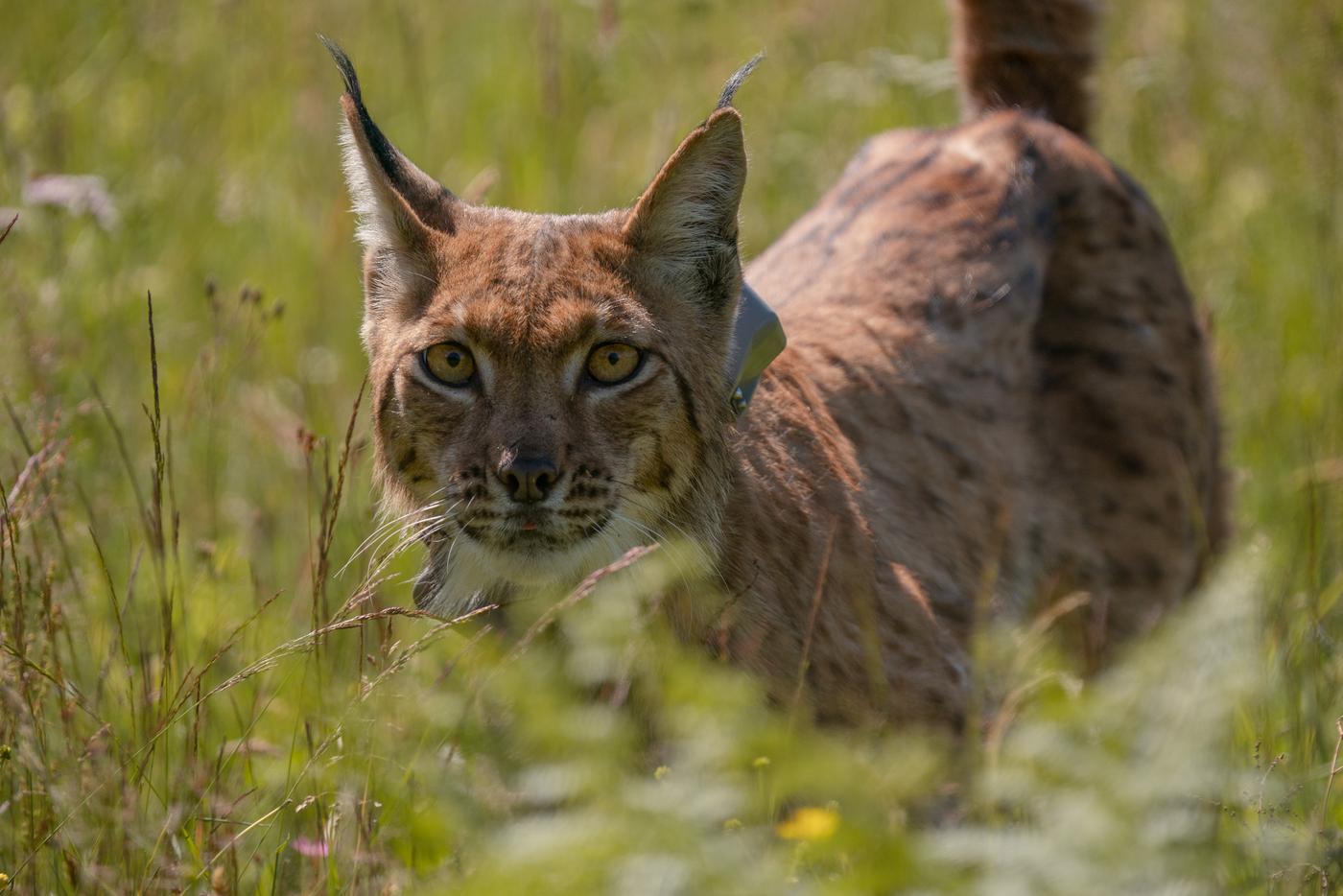
Lubomir inspects his new territory. The lynx has just jumped out of a transport box in the Velebit Mountains in Croatia, many hundreds of kilometers away from his home in the Slovakian Carpathians.
Capturing lynx in the Carpathians and releasing them into the wild in the northern Dinaric Mountains in order to stabilise the nearly extinct local population, and link it to the lynx population in the Alpine region: That, in a nutshell, was the idea behind the LIFE Lynx project, which involved several nature conservation organisations (EuroNatur among them) and universities as well as forestry institutions and hunting associations.
Hunters and foresters brought on board
Under the LIFE Lynx project, a total of 18 lynx were captured in the Carpathians and translocated to Slovenia and Croatia to strengthen the local lynx populations. The project has been extremely successful, owing in part to the close collaboration with the hunters. With their expertise and local knowledge, these important allies played an essential part in the success of the resettlement programme.
90 percent of the hunters see the presence of lynx in Slovenia as something positive. Without them, we could not have pushed the “LIFE Lynx” project through.
Maja Sever, communication large carnivores, Slovenian Forest Authority
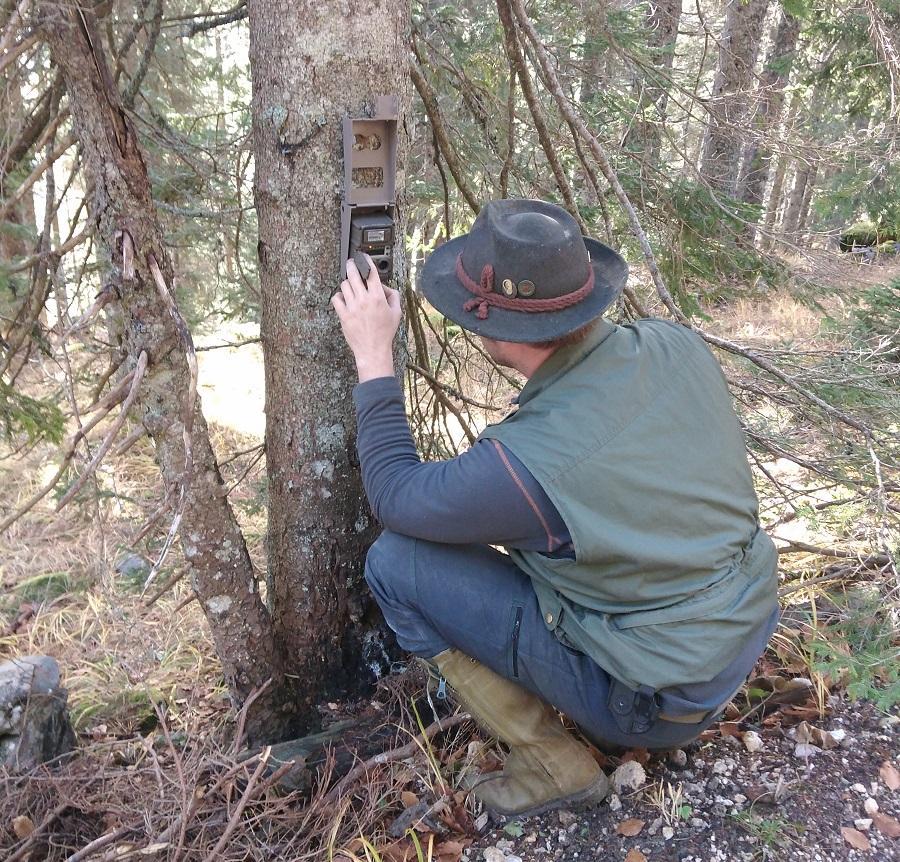
A Slovenian hunter installs a camera trap in the lynx territory.
Back in 1973, when lynx were reintroduced to the Dinaric Mountains for the first time, it was the hunters and foresters who carried out the plan. At the time, it was mainly a question of bringing back an extinct species but also of bringing in an attractive species to hunt. This time, it was purely about species conservation, but the hunters and foresters were no less committed. The lynx protectors installed each individual camera trap in the local terrain together with the hunters as they know the lynx’s routes best. The hunters were also responsible for maintaining the camera traps afterwards.
Catching a lynx on a camera trap gave the hunters quite a challenge. It’s almost like trophy hunting but this time with living animals.
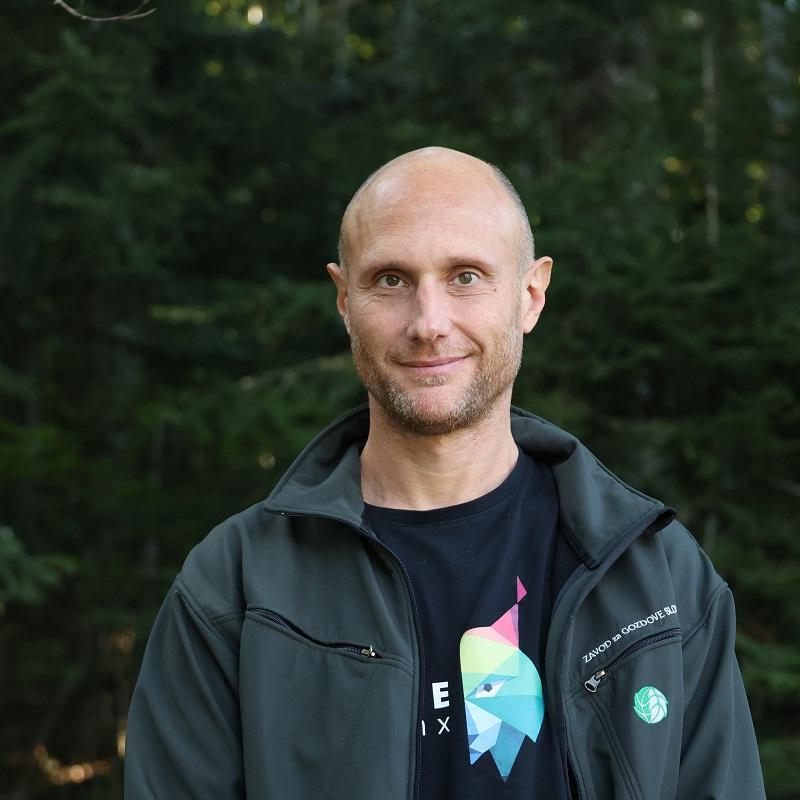
Rok Černe, coordinator of the "LIFE Lynx" project, Slovenian Forest Authority
The lynx: a keystone species
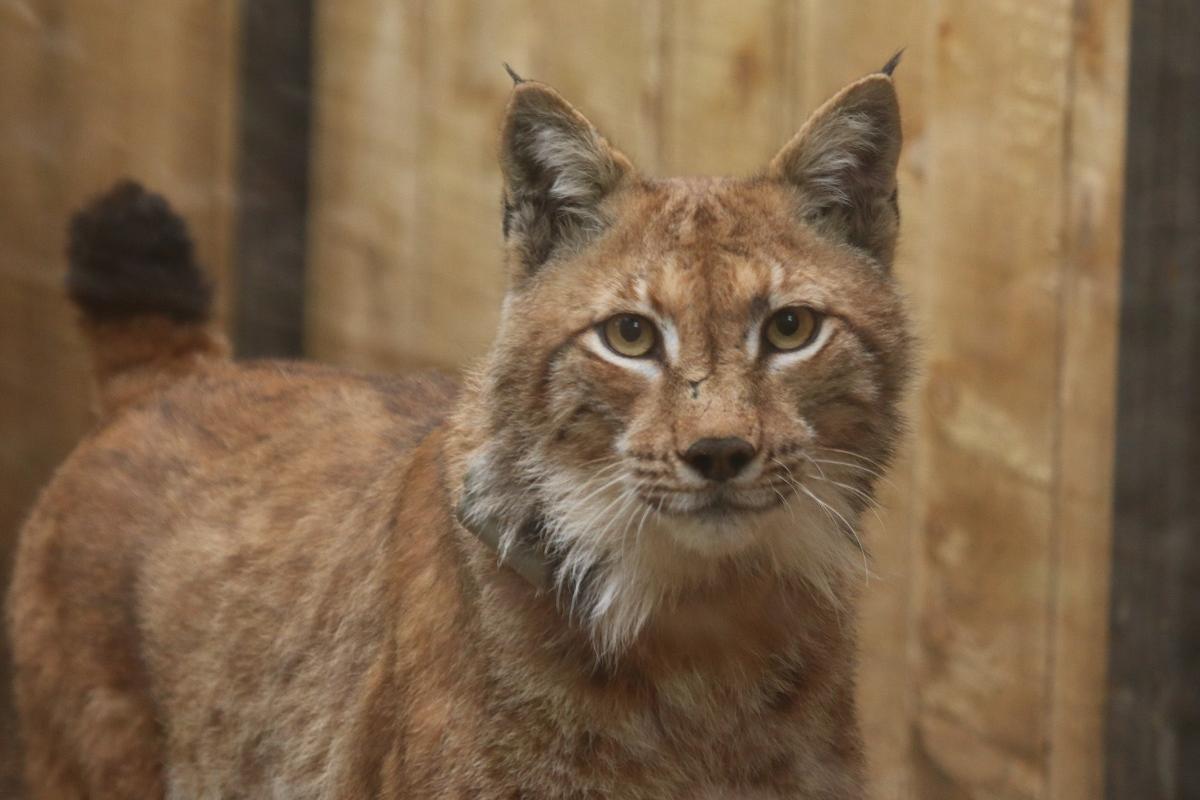
Lynx Goru in his enclosure, shortly before being released into the wild.
Thanks to the successful project, the extinction of lynx in the Dinaric Mountains could be prevented and the gene pool of the cats in Slovenia and Croatia has been refreshed. In the southeastern Alps, the introduced lynxes have established a connecting population, which is the first step towards the long-term conservation of lynx in this part of Europe. The lynx resettlement and resulting increased reproduction means that there are now once more around 150 lynx patrolling the mountains and forests of the Alps and Dinaric Mountains – fantastic news for the entire Eurasian lynx population.
As apex predators at the top of the food chain, lynx play a key role in the natural world. The behaviour of prey is significantly influenced by the presence of large predators. In this respect, lynx and co. are essential for a functioning ecosystem.
Reaping the awards
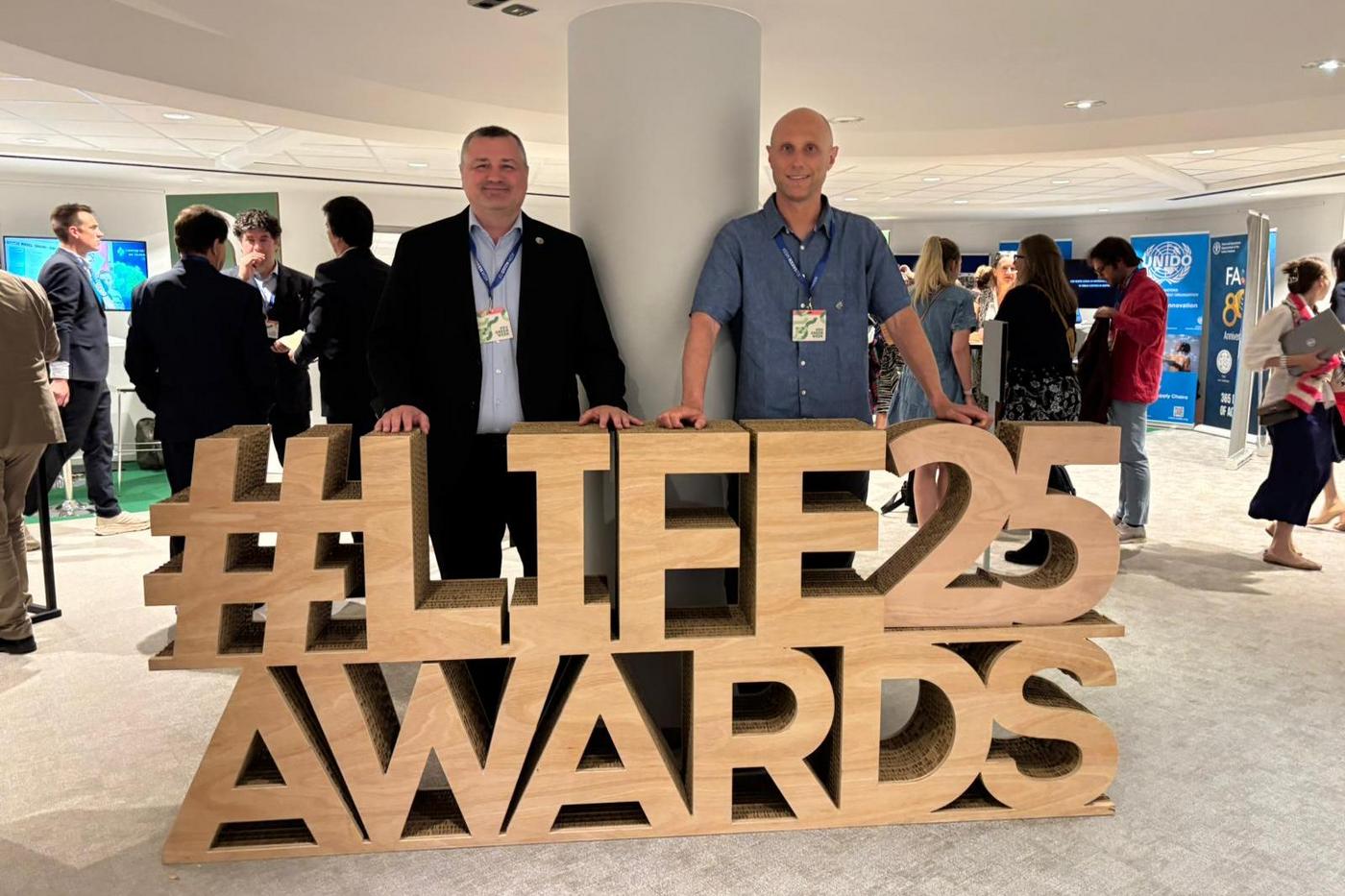
Gregor Danev (left) and Rok Černe at the LIFE 2025 awards ceremony
The success of the LIFE lynx project has garnered lots of attention: In June 2025, the international lynx conservation project has won two prestigious LIFE 2025 awards. The expert jury recognised the project as the best in Europe in the Nature Conservation & Biodiversity category, while the public also voted it the winner of the audience award.
This award is a confirmation of the hard work and dedication of all project partners committed to preserving healthy forests, of which lynx are an indispensable part.
Gregor Danev, Director of the Slovenian Forst Authority