We look back on an eventful 2025, a year in which political headwinds grew stronger, but we also achieved a number of successes. Here are the most memorable moments of the past twelve months.
2025 was no easy year for Europe’s nature. Those political parties for whom nature conservation is not important have increased their efforts and their influence in the European institutions is being felt more deeply, as they do their very best to torpedo nature conservation. The downgrading of the conservation status of wolves is just one example of this (see below). However, we at EuroNatur have also shown in 2025 how powerful an active commitment to nature conservation can be. The protection of threatened species, the successful opposition to projects destructive to nature and the recognition of those brave people such as this year’s EuroNatur award winner Ardian Koçi have made one thing clear: change starts when people begin to take responsibility.
Also, thanks to your support, we were able to achieve a lot for the preservation of Europe’s natural heritage despite difficult circumstances. Take a look back with us over both the joyful events of the past year and those that give rise to pessimism. It is unclear what 2026 will bring, but one thing is sure: together with our partners, we will continue our untiring efforts to support Europe’s natural heritage; and if you agree, we’d love to have your support.
Gloomy outlook for Albania’s coastline
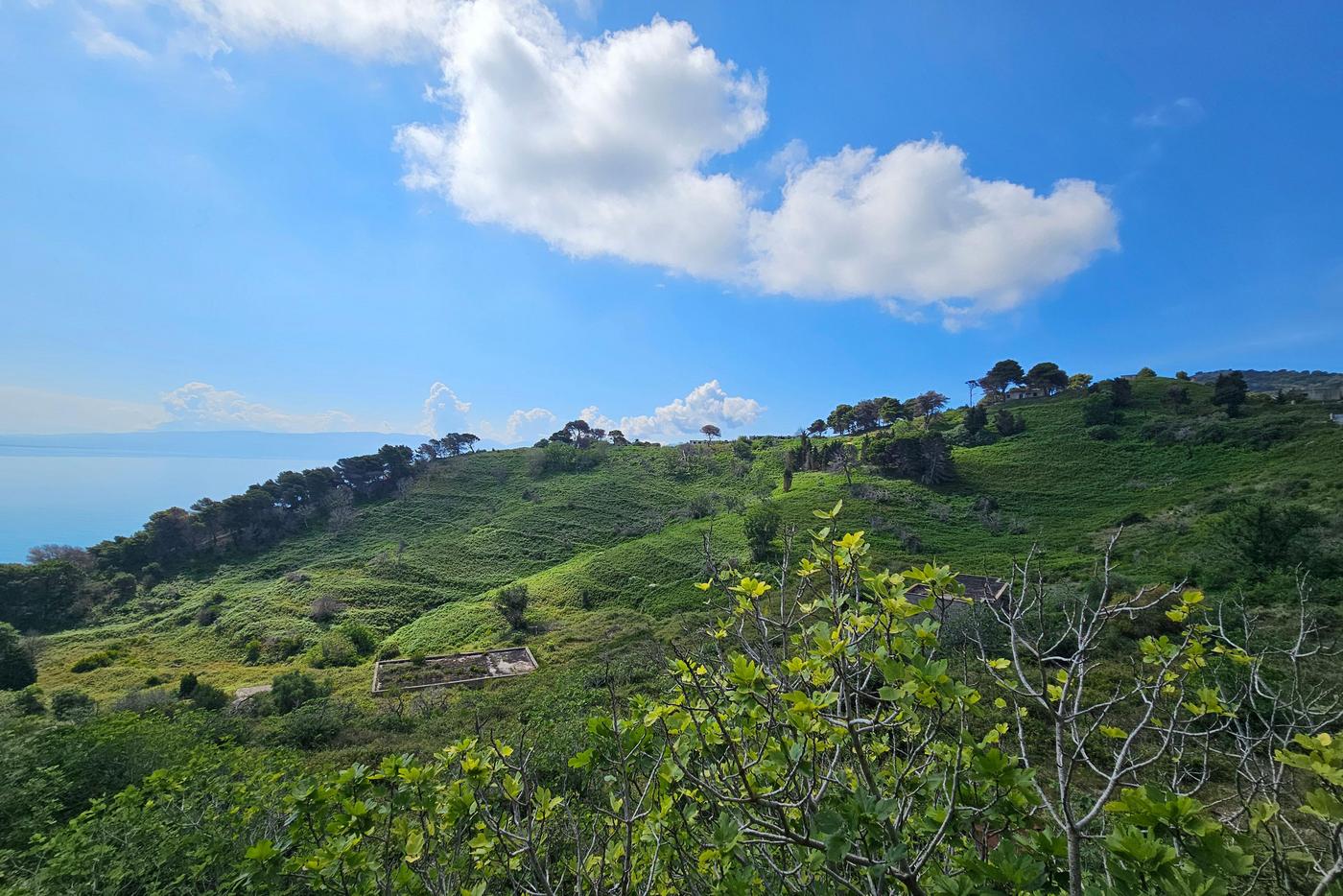
This is the green hill Jared Kushner has his eye on.
Early this year, we heard some ominous news from Albania. Prime minister Edi Rama has given the green light to Jared Kushner’s plans for a luxury resort on the Albanian coast. Donald Trump’s son-in-law has definitely had his eye on the uninhabited island of Sazan and the Zvërnec peninsula. One of the last unspoilt sections of coast on the eastern Adriatic is now threatened with development. Rama’s decision fits right in with plans to develop tourism in Albania on a huge scale at any price.
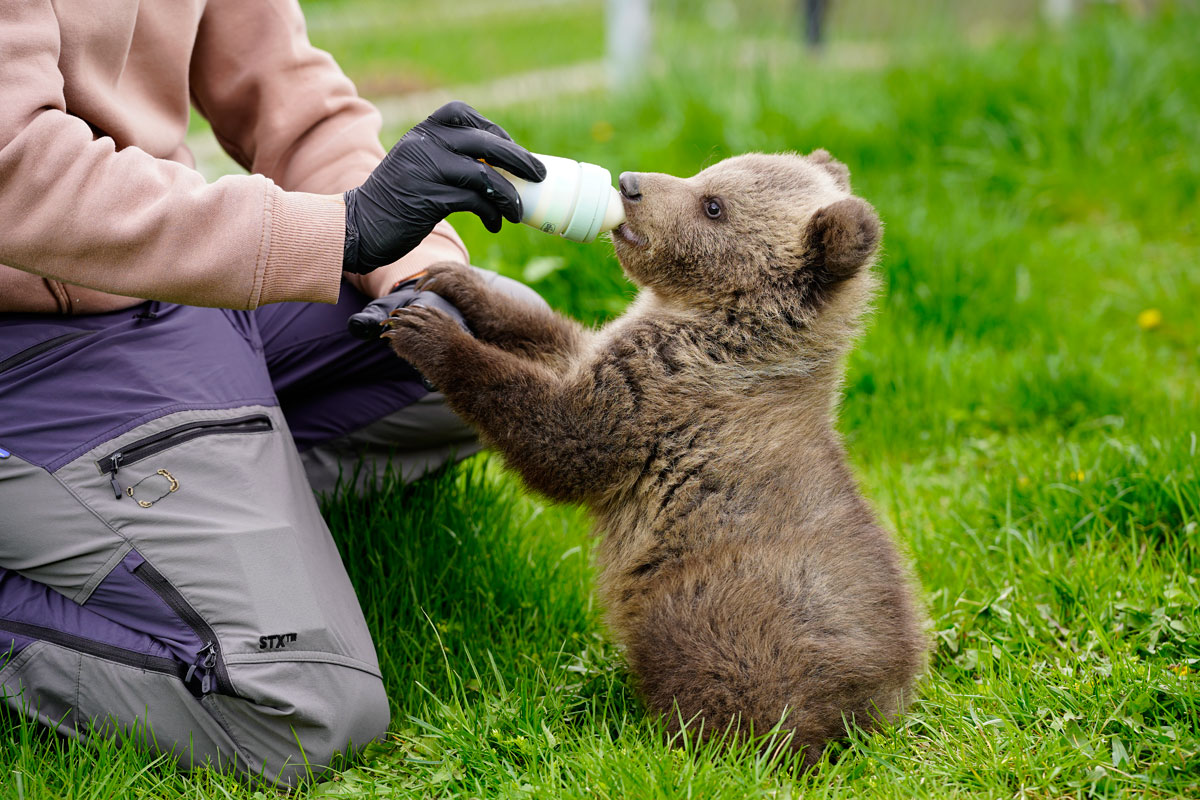
Although this picture is really sweet, the story behind it is a sad one. This bear cub had a traumatic start and will not be able to be released into the wild.
At the end of March, a bear cub was captured illegally in Albania and put up for sale on the internet – presumably the mother bear had been killed in the process. After a circuitous journey, the animal finally reached the Pristina bear centre in Kosovo run by Four Paws, where the conservationists selflessly gave their time to care for the youngster. It was unfortunately not possible to release the young bear back into the wild, and he will spend the rest of his life in captivity – a sad example of wildlife crime.
“Green Nobel” award for EuroNatur’s Albanian partners
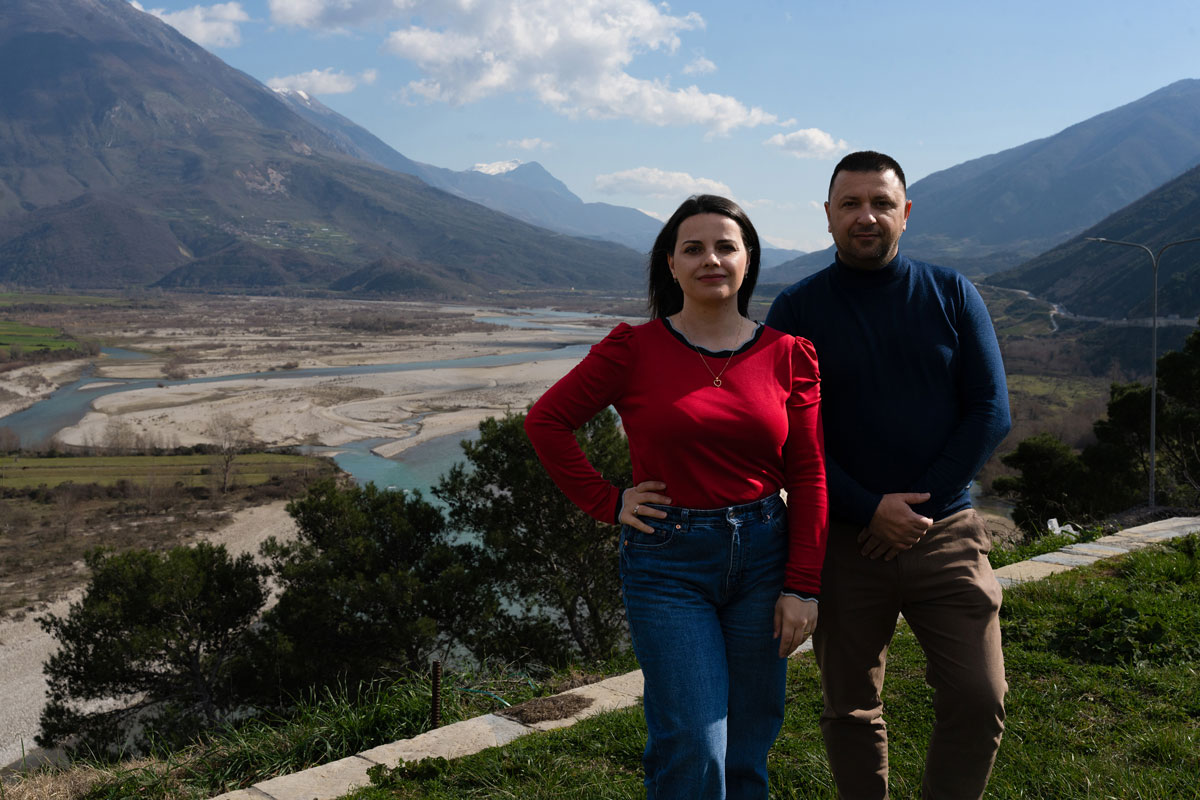
A major honour went to two important river conservationists from Albania: Besjana Guri and Olsi Nika from our partner organisation EcoAlbania were awarded the Goldman Environmental Prize in San Francisco on 21st April 2025. This is the world’s greatest honour for environmental conservationists. They received the award for their work over many years to protect the river Vjosa, Europe’s last major unspoilt river. Their campaign as part of the Blue Heart campaign was crucial in getting the river Vjosa and its tributaries declared Europe’s first wild river national park in March 2023.
Find out more about Besjana und Olsi
By clicking on the preview image, a video from an external source is integrated. This will transfer your IP address to the external server. Further details can be found in our privacy policy.
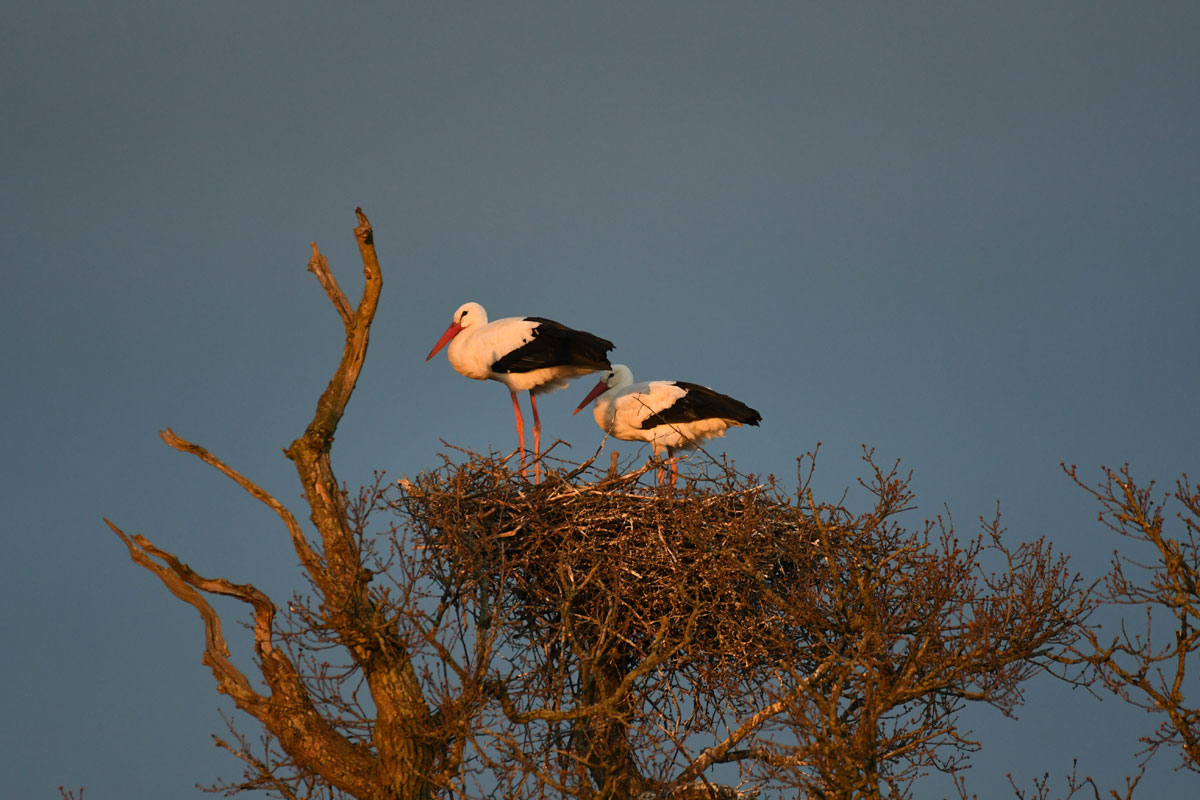
For many years, the United Kingdom was a blank on European map of EuroNatur’s networks. That all changed in May of this year. The Knepp Estate and the village of Storrington in West Sussex have been jointly designated a European Stork Village. This recognises their role in successfully reintroducing white storks to Great Britain, where the stork had been extinct for over 600 years. There was great delight amongst all those involved when the certificates were handed over during their stork festival on 5th May 2025.
Albania in general and the construction of the Vlora International Airport in particular have been keeping us extremely busy all year. On May 8th, shortly before the parliamentary elections in Albania, the Tirana government orchestrated the spectacle of test flights over the Vlora International Airport – although the airport is still a long way from being operational. Over the past twelve months a number of international organisations have joined our protest and have taken a clear stance against the continued construction of the airport. Even Munich airport has ceased acting in an advisory capacity this year. However, despite widespread opposition, Albania’s prime minister Edi Rama is sticking to this project so destructive to nature.
With regard to Vlora airport – this is a case of an overhasty and chaotic project in a nature conservation area presenting a multitude of safety issues both in its construction and for its future operation. The natural and protected habitats surrounding the airport are being recklessly destroyed to facilitate this development.
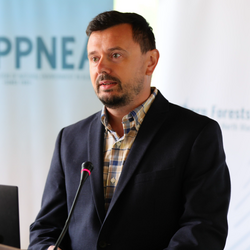
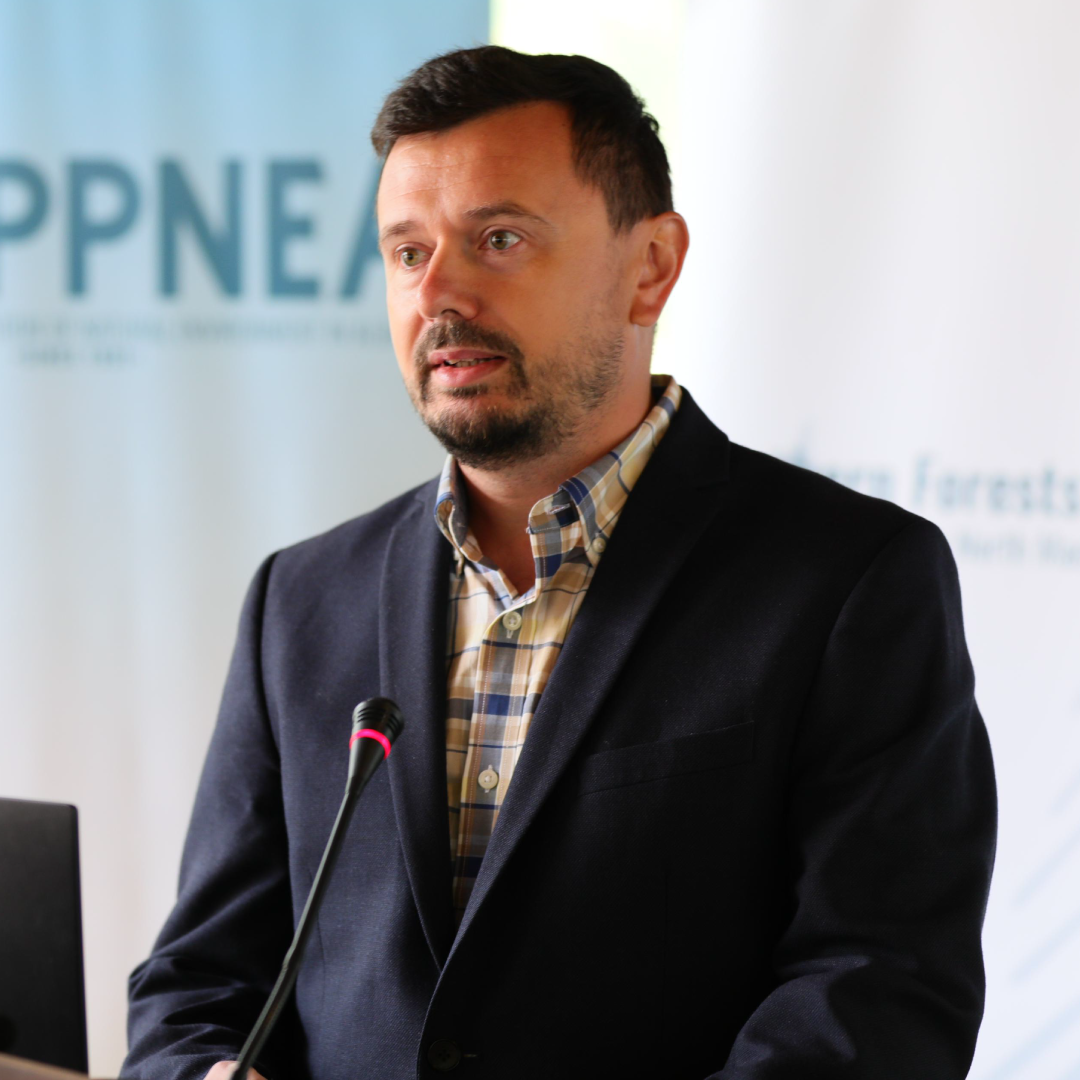
Aleksandër Trajçe, Executive Director of PPNEA
Weakened protection for wolves in Europe
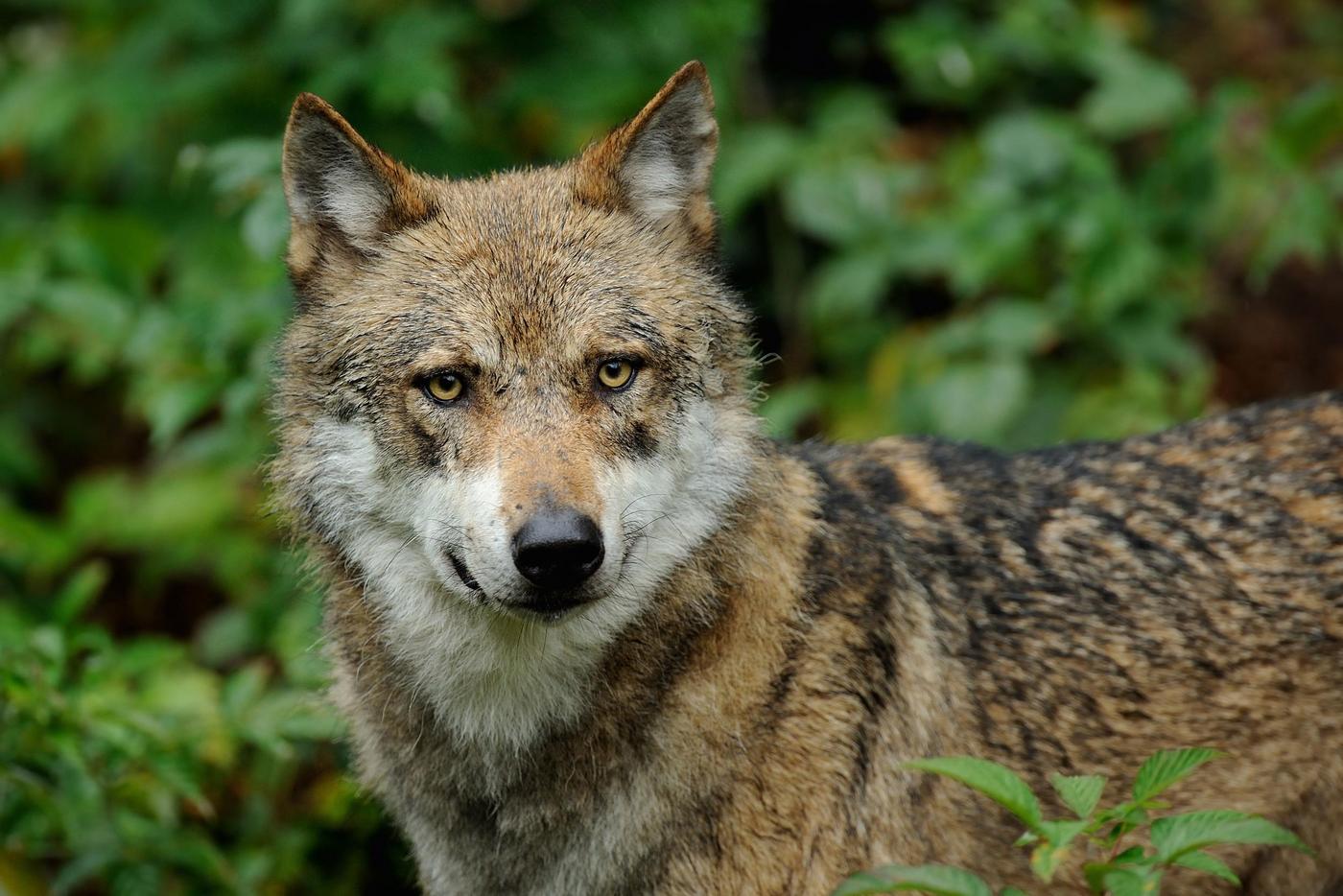
Gloomy outlook for Europe’s wolves: their conservation status has been downgraded.
It wasn’t just the test flights over Vlora airport that made May 8th, 2025 a black day for us; there was also bad news from Brussels. In a step that is extremely concerning for biodiversity right across Europe, the European parliament approved the European Commission’s proposal to downgrade the conservation status of wolves in the flora-fauna-habitat directive (FFH). And on 10th June the individual member states followed suit.
This vote wasn’t just about wolves – the European parliament’s decision sends out the wrong message, that is that emotions and misinformation are placed above facts and ecological responsibility. For more than 30 years, the FFH directive has been protecting Europe’s last natural areas and rare species. The erosion of the protection of wolves represents a dangerous precedent that could threaten all Europe’s nature.
Antje Henkelmann, EuroNatur Project Manager
Europe fails to protect migratory birds
This quail is in safe hands with our Montenegrin partners.
Despite firm commitments to protect migratory birds in their countries, most European states are shockingly far from achieving this goal. This is shown in a study published jointly by EuroNatur and BirdLife International in mid-May. The large majority of Mediterranean countries are not keeping their promise to halve the illegal killing, removal and trade in birds by 2030. However, there are pleasing developments – in Spain and Croatia, for example. These show that, where there is a strong political will, coordinated planning and sufficient funding available, real progress is possible.
P.S. There was a glimmer of hope from southeast Europe in October of this year. After years of tireless campaigning against the illegal hunting or birds, our Montenegrin partners at CZIP have achieved an important partial victory: a national plan of action against bird crime has been adopted.
On the hunt for Europe’s rarest songbird
A delightful sight for bird conservationists, but non-stop stress for these birds’ parents: a nestful of hungry Aquatic Warbler chicks
An internation team for the preservation of the Aquatic Warbler has been working across Europe. As part of the EU-funded project LIFE4AquaticWarbler, breeding grounds are to be revitalised and once extinct populations reintroduced. EuroNatur project leader Dr. Justine Vansynghel has been looking at measures taken in Ukraine – I wonder if she caught sight of this rare bird?
P.S. Record breeding figures in Lithuania! It is more than twenty years since this Baltic state has recorded as many singing male Aquatic Warblers as there were this summer. Great news that shows conservation measures in Lithuania are having an effect.
European Treasures of Nature
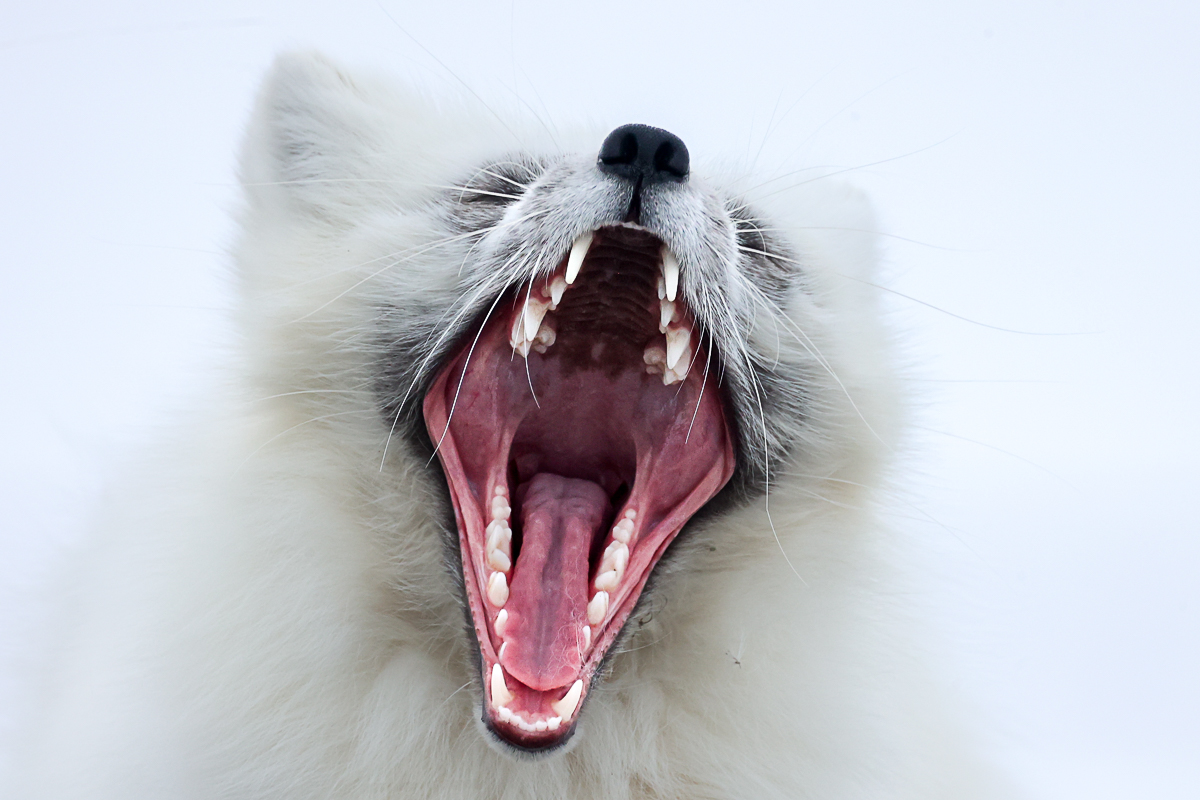
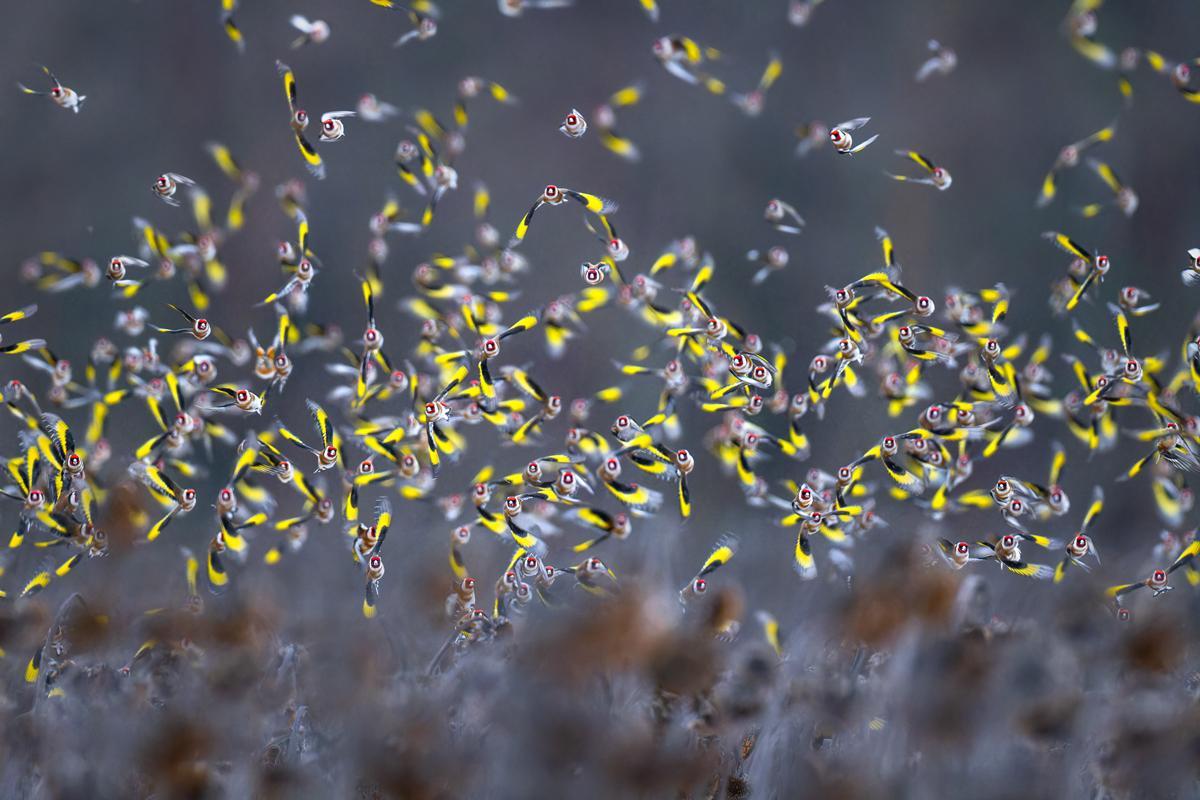
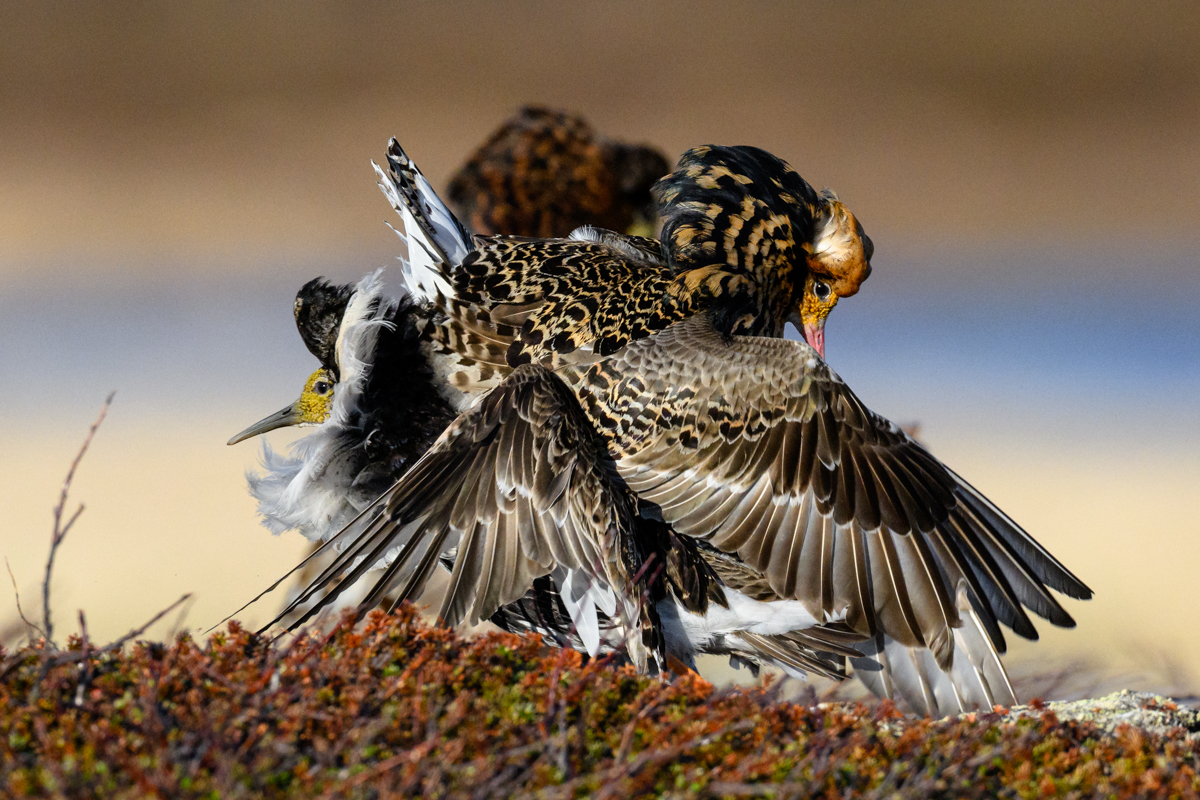
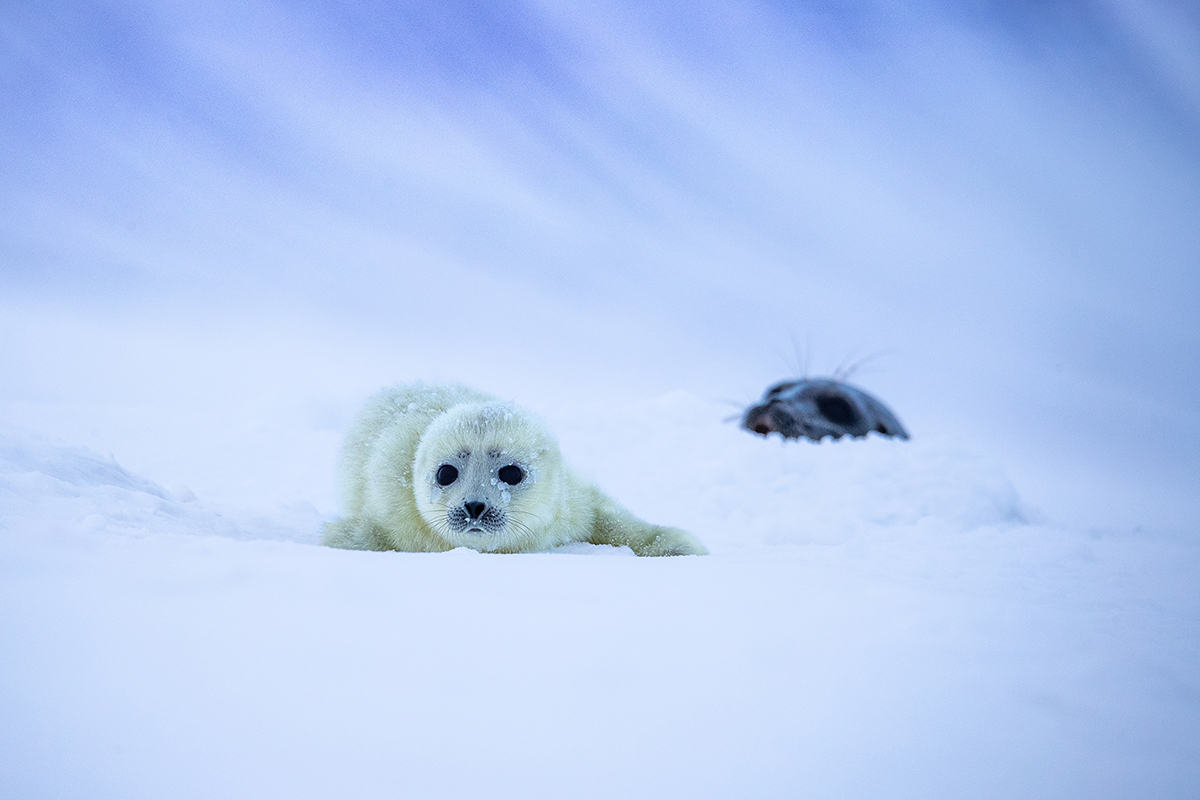
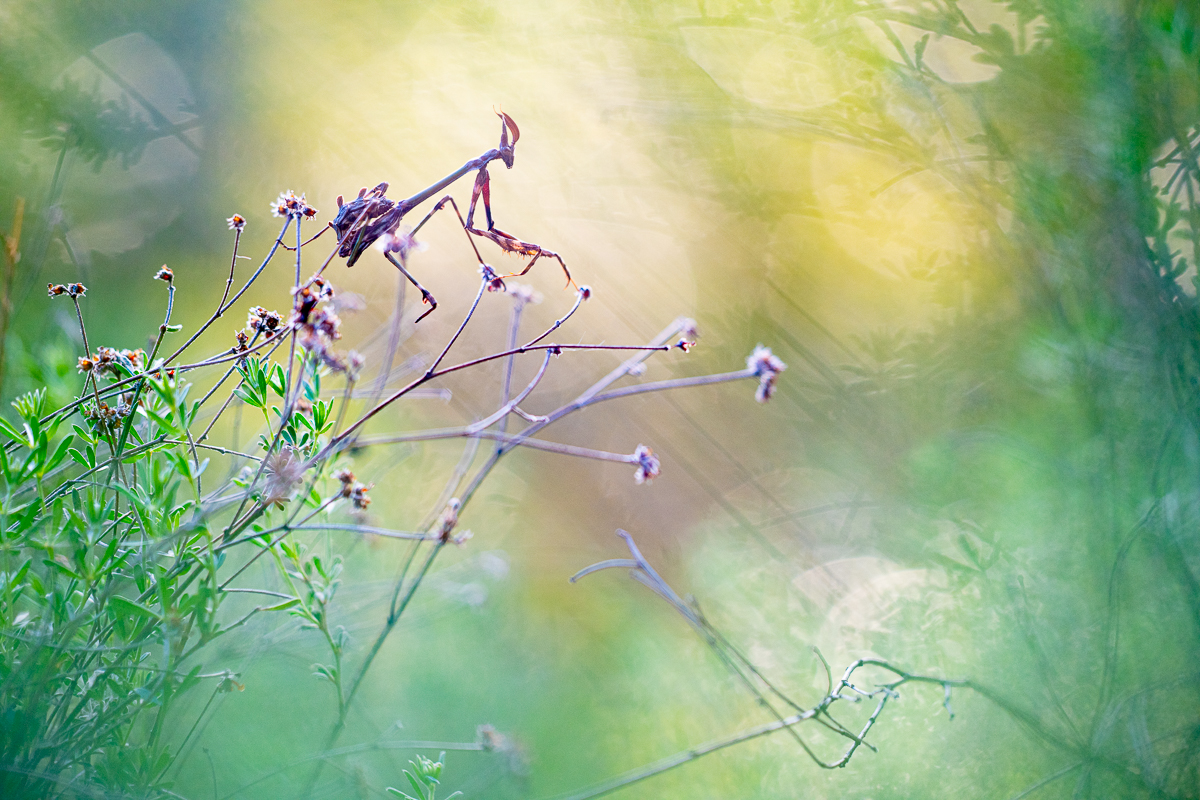
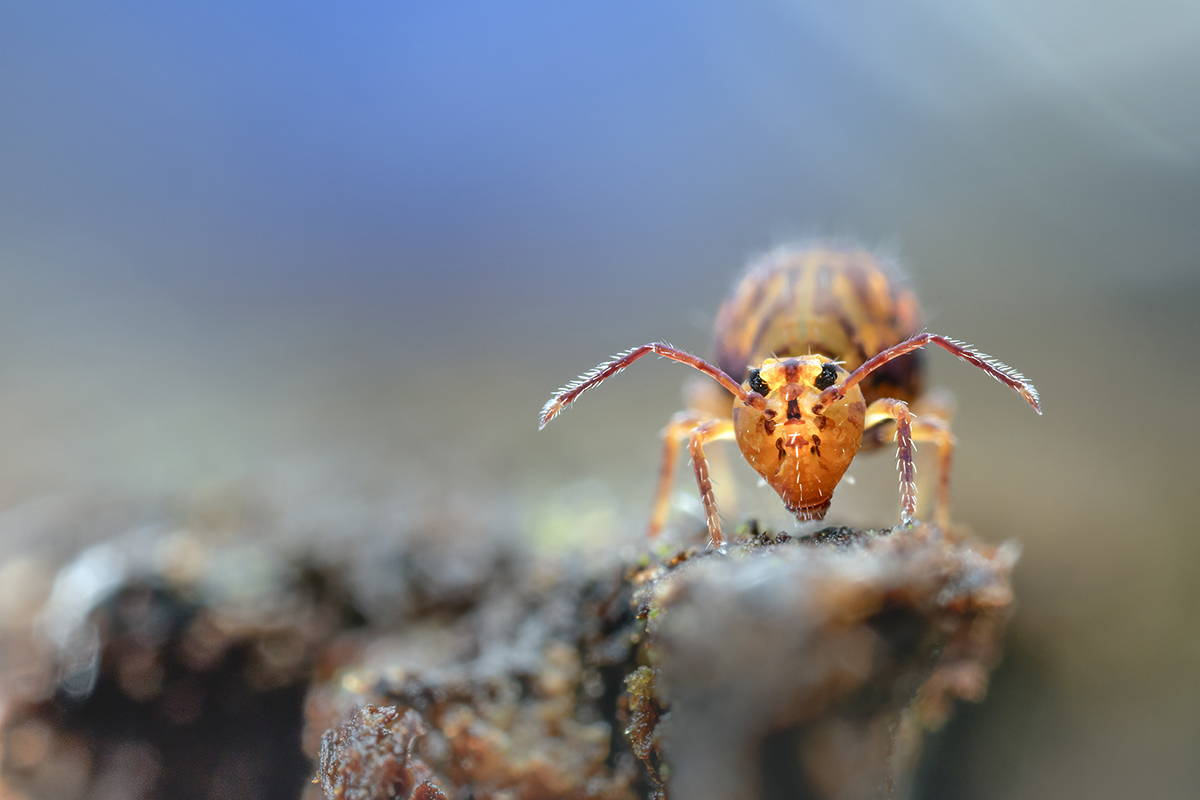
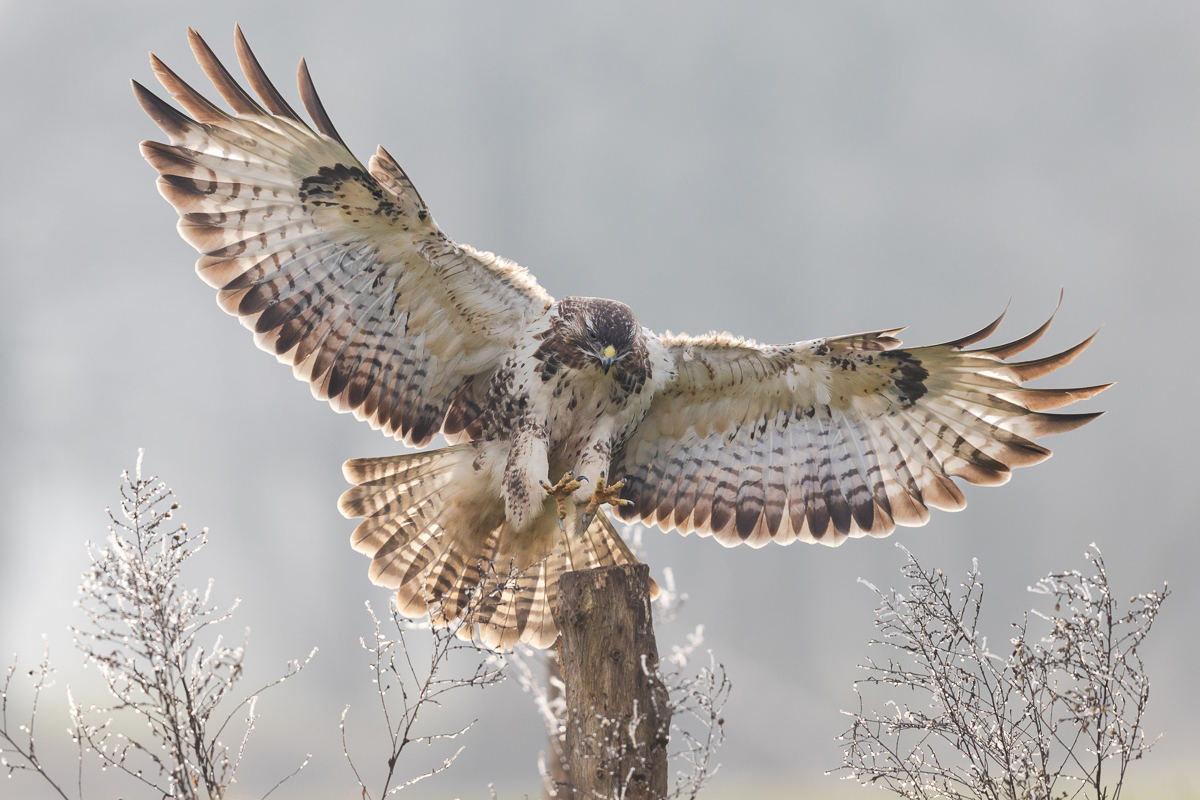
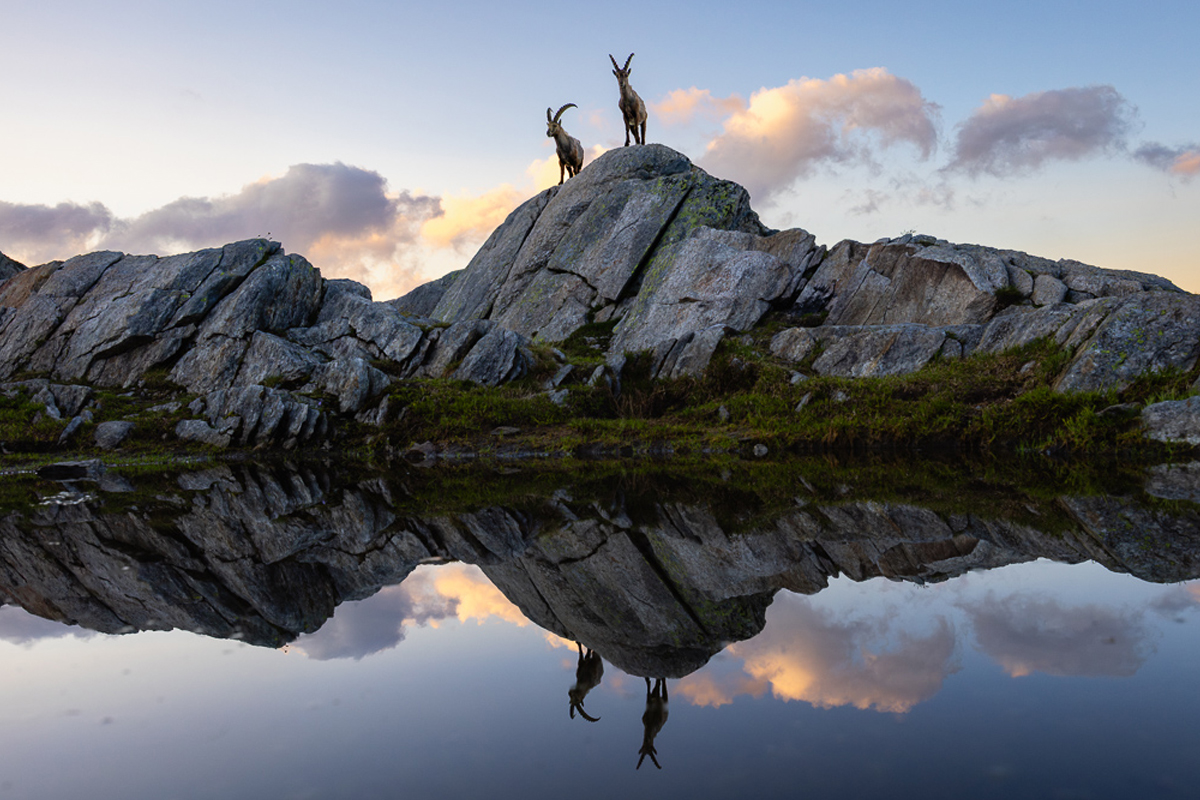
An arctic fox in its white fur coat and a baby ringed seal in the snow and ice; the courting display of ruffs in the northern tundra and two ibex by a chilly mountain lake. The cool but extremely artistic atmosphere of our photo competition’s winning pictures this year stands as a testament to the wanderlust of many wildlife photographers – and possibly also to the desire of the jury to cool down during a session held in very high temperatures 😉. You can see all 12 winning pictures here:
The wilderness feel in the heart of Europe
When EuroNatur’s forest project leader Siegmund Missall feels exposed to the elements in nature, you know it really must be somewhere remote. In September 2025, Siegmund visited a camp for forest conservationists in the Velebit mountain range in Croatia, far from all civilisation. There he gained an understanding of the important mapping work our partners are doing, which we intend to extend to all potential primary forest areas in the Western Balkans. If the last remaining remnants of old-growth forests on our continent are to be protected, we need first to know where they still exist today. These pictures will give you an idea of his trip into the forest wilderness (Tip: click on the pictures to see larger views):
A man with backbone: EuroNatur award goes to Ardian Koçi
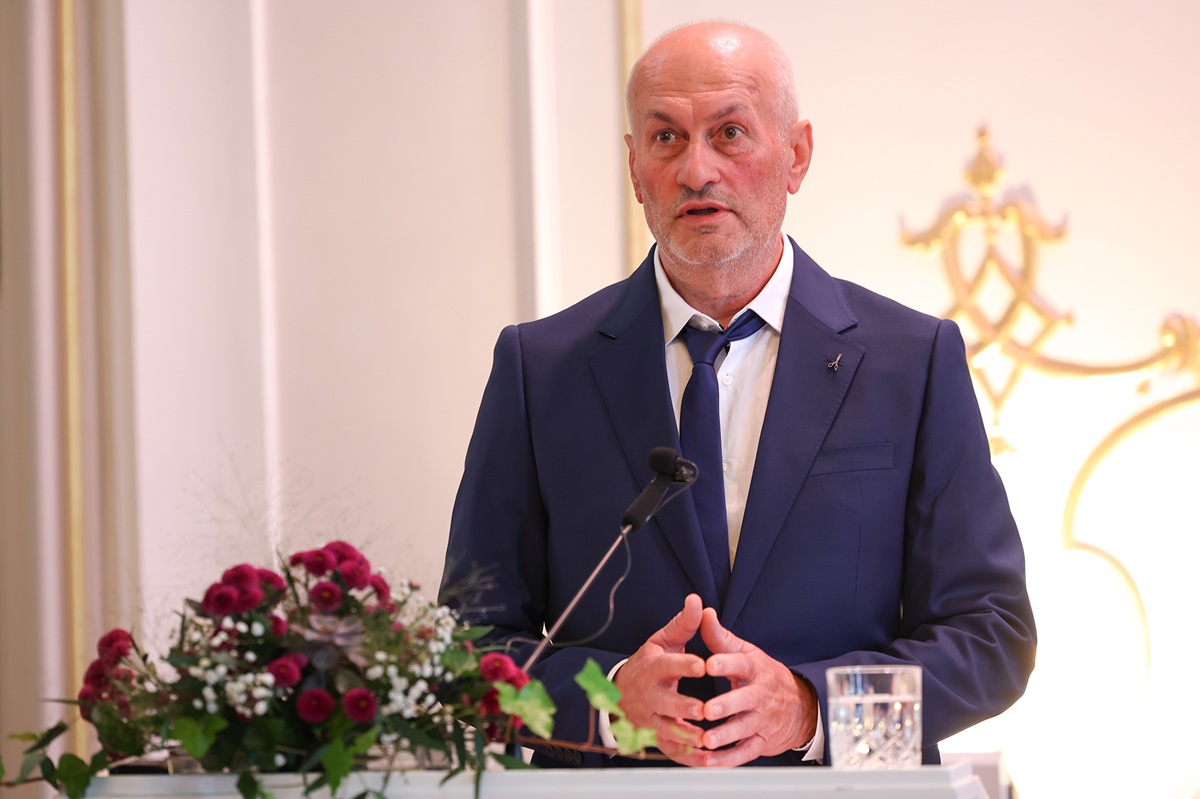
This year’s EuroNatur award – presented once again on the island of Mainau in October – honours the Albanian conservationist Ardian Koçi, who, as director of the Divjaka-Karavasta National Park, has demonstrated extraordinary commitment in campaigning for the protection of this important area. In spite of both personal and professional difficulties, he has bravely stood up to both poaching and large-scale tourism projects – eventually being forced out of office.
Ardian Koçi has taken his role as a custodian of nature seriously and has worked selflessly for its protection. His clear and uncompromising stance has created a stir not just locally but also at national level.
Gabriel Schwaderer, Executive Director of EuroNatur
Impressions of the award ceremony
By clicking on the preview image, a video from an external source is integrated. This will transfer your IP address to the external server. Further details can be found in our privacy policy.
Thirty years ago, the EuroNatur foundation set up a 100% subsidiary, the EuroNatur Service GmbH. This was because things that the charitable foundation isn’t allowed to do are no problem for a limited company, such as services that help to publicise EuroNatur and use products to facilitate nature and environmental education. This small but productive company publishes and distributes nature calendars – including our large-format wall calendar with the winning pictures from EuroNatur’s photo competition – and nature guides for selected EuroNatur project areas in addition to a number of other specialist books and exclusive items. In mid-November we at EuroNatur raised a glass to celebrate this significant anniversary.