


++ New report reveals how much five selected EU Member States need to spend if they are serious about nature restoration ++ Last stretch for Member States to finalise their national restoration plans ++ At least 10% of the next EU budget must be allocated to biodiversity ++
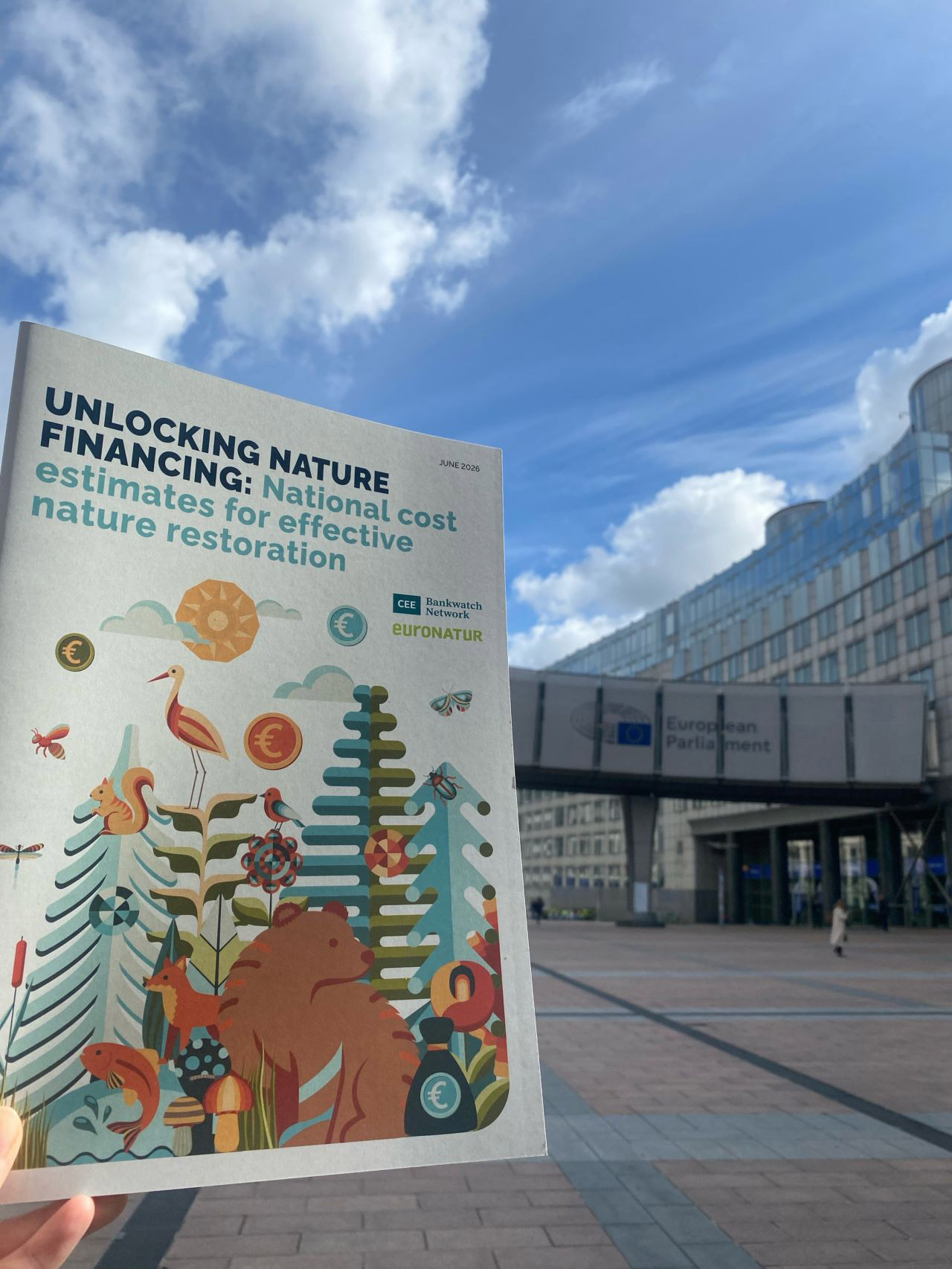
The report ‘Unlocking nature financing: National Cost Estimates for Effective Nature Restoration’ by EuroNatur and Bankwatch intends to support Member States in planning their nature restoration measures.
© Gosia Zubowicz, CEE Bankwatch Network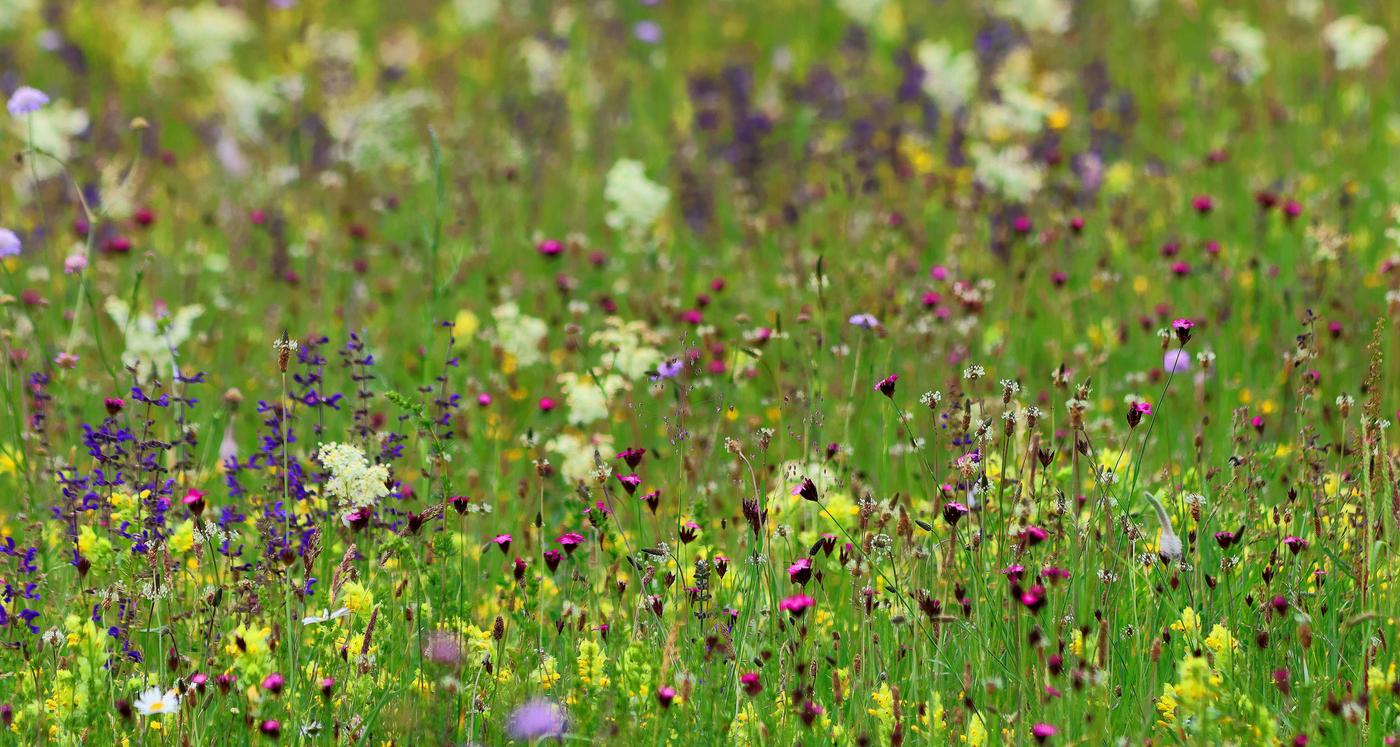
It is crucial to preserve extensively used meadows and pastures to address the biodiversity crisis in Europe.
© Antal Molnar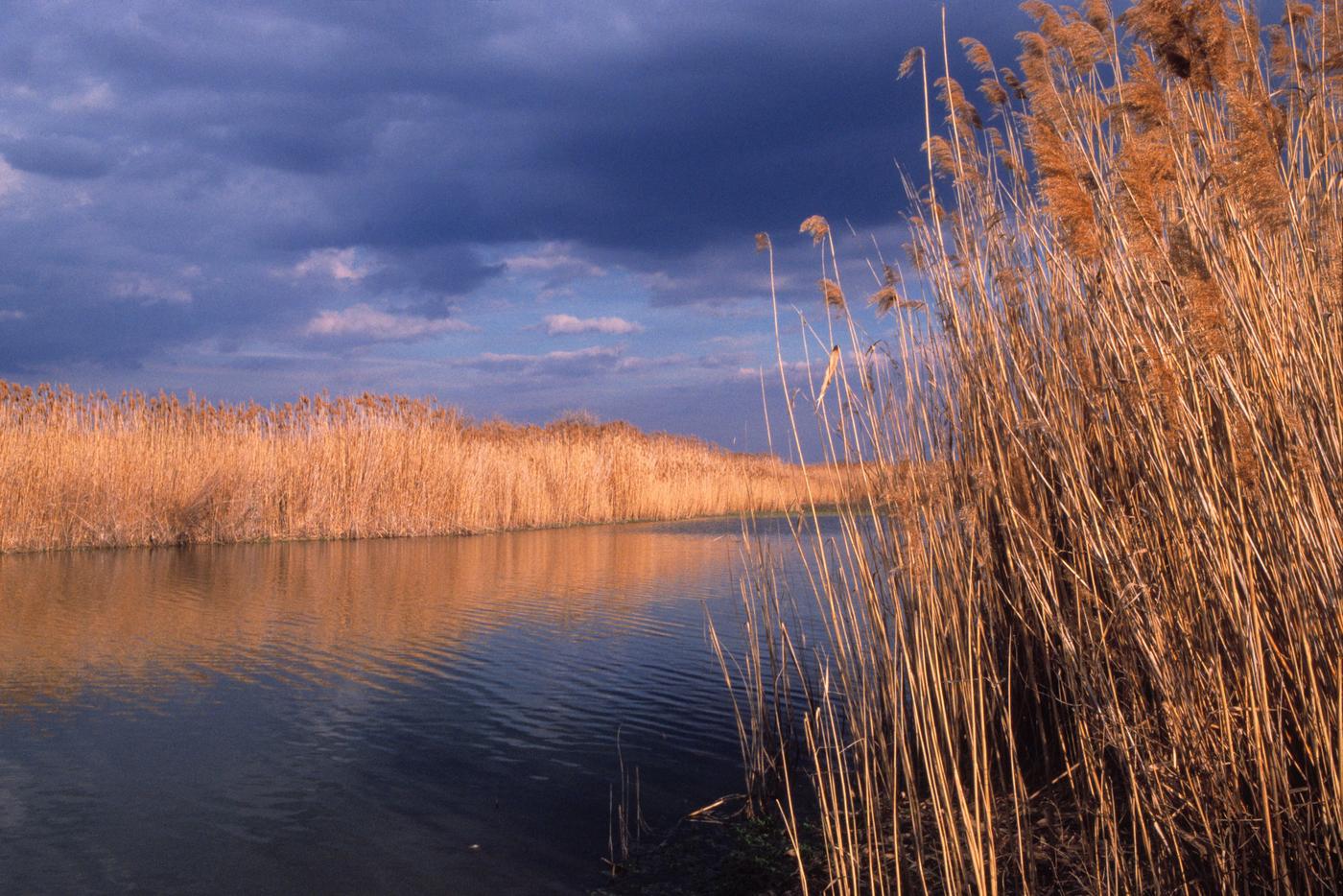
Europe cannot afford to neglect its natural environment. Yet this is precisely what is currently at risk of happening…
© Antal MolnarBrussels, Radolfzell – With only three months to go until EU Member States must submit their national restoration plans, EuroNatur and Bankwatch are warning that implementation of the EU’s Nature Restoration Regulation will not be possible without sufficient dedicated public funding. In a new report launched today at an event in the European Parliament, they highlight that, without adequate EU funding, many national restoration plans may prove ineffective, failing to restore all damaged ecosystems by 2050. And in the absence of the European Commission’s long-awaited 2025 financing report, governments are now without essential guidance on investment needs and funding pathways.
The report – Unlocking nature financing: National cost estimates for effective nature restoration – provides a systematic assessment of restoration costs in Croatia, Estonia, Hungary, Latvia and Poland to support these countries in their national restoration planning. Covering the period 2024–2032, it analyses four major terrestrial ecosystem types: coastal and inland wetlands; rivers, lakes and alluvial habitats; grasslands; and forests and woodlands.
As the 1 September deadline for submitting national restoration plans approaches, few plans are well advanced, with many still lacking sufficiently detailed, science-based targets and clarity on financing. While several Member States have raised concerns about the availability of funding for restoration, the forthcoming national and regional partnership plans within the 2028–2034 Multiannual Financial Framework (MFF) offer a crucial opportunity to embed dedicated EU funding for biodiversity within national MFF envelopes and reverse the decline of the EU’s natural habitats, 81% of which are in poor or bad condition.
‘Our findings show that without proper financing, national restoration plans risk being simply declarative and insufficiently ambitious to improve the status of species and habitats, which is the main aim of the Nature Restoration Regulation,’ says Tess Hartmann-Hergott, EU Policy Officer for Biodiversity Finance at EuroNatur. ‘Across all five countries we assessed, several barriers stand out: EU funding is insufficient at a time where many Member States rely on it and restoration efforts must accelerate; outdated habitat data makes reliable planning impossible; and uneven administrative capacity threatens to fragment implementation across the Union. Unless these gaps are urgently addressed, the EU will not meet its restoration targets.”
To close these gaps, EuroNatur and Bankwatch have outlined the following actionable recommendations, among others:
- Integrate nature restoration obligations into EU budget planning to create stronger synergies between restoration planning and EU budget programming.
- Prioritise scientifically sound restoration rather than focusing solely on cost-efficiency.
- Invest in administrative capacity to enable local and regional authorities to conduct the necessary assessments, implement the Nature Restoration Regulation, and monitor changes in habitat conditions.
- Allocate at least 10% of the MFF to biodiversity to ensure sufficient and predictable funding for restoration projects across all Member States.
- Maintain and strengthen the LIFE programme as the EU’s dedicated instrument for nature, including support for cross-border projects and the exchange of best practices.
‘Europe’s restoration targets are more than just policy goals; they’re a lifeline for our shared future,’ says Valters Kinna, Biodiversity Campaigner at CEE Bankwatch Network. ‘Restoring nature is an investment in people’s well-being, health, and economic security. Healthy ecosystems provide clean water, fertile soils, pollination, climate resilience, and protection from floods and droughts, while supporting sustainable livelihoods and reducing the long-term costs of environmental degradation. Public funding is not optional, and negotiations on the MFF present a unique window of opportunity for Member States to secure sufficient EU funding for restoration. It is a prerequisite for the EU to meet its restoration targets and safeguard the natural systems on which our societies depend.’
Background information:
- Link to report
- The Nature Restoration Regulation, adopted in 2024, is a first-of-its-kind piece of legislation that aims to restore Europe’s natural heritage through binding restoration targets for specific habitats and species, with the goal of restoring all ecosystems in need of restoration by 2050.
- In parallel, the EU is negotiating the next Multiannual Financial Framework (2028–2034). Under the new structure proposed by the European Commission, part of this budget will be allocated based on Member States’ national and regional partnership plans. These negotiations – alongside development of the national restoration plans and the national and regional partnership plans – present a vital opportunity to prioritise nature and ensure that budget planning aligns with nature restoration objectives and financing needs.
Press contacts:
Anika Konsek, Project Communications Manager, EuroNatur Foundation, email: anika.konsek(at)euronatur.org
Valters Kinna, Biodiversity Campaigner, CEE Bankwatch Network, email: valters.kinna(at)bankwatch.org