


On 26 June, the Montenegrin government took a decisive step towards nature conservation in the country: it adopted the draft plan for a nationwide Natura 2000 network and submitted it to Brussels. The draft plan provides for the future protection of more than 38 per cent of the country’s land area, as well as key marine areas, thereby safeguarding the country’s most ecologically valuable regions.
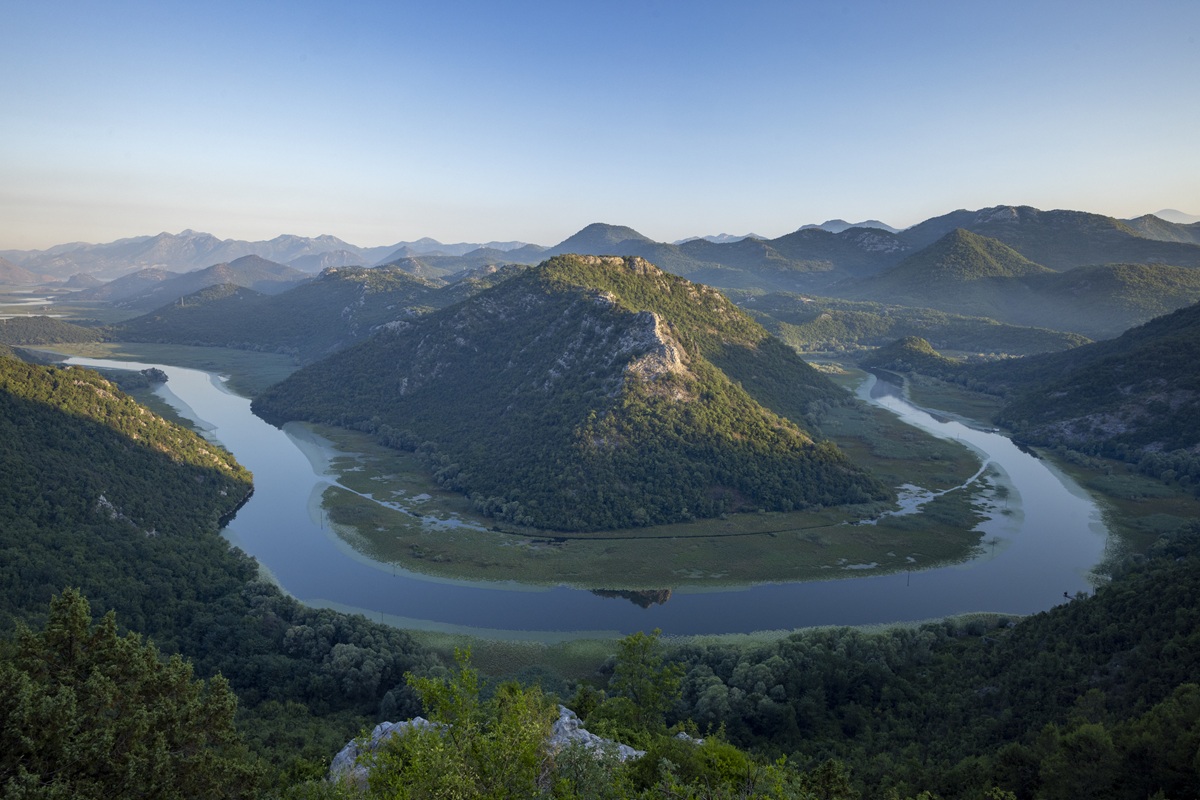
Much of Montenegro’s natural landscape is beautiful – as here on Lake Skadar.
© Bruno D'Amicis
EuroNatur and its partners have insisted that the designation of the Ulcinj Salina as a protected area and the drawing up of a management plan are prerequisites for Montenegro’s accession to the EU.
With a total of 58 potential sites of Community importance, 32 Special Protection Areas for birds and seven marine areas, the foundation has been laid for Montenegro’s contribution to the European network of protected areas. At the same time, this decision marks an important milestone on the path to EU membership.
“EuroNatur welcomes Montenegro’s decision to designate a very extensive area for the European Natura 2000 network of protected areas,” says EuroNatur’s Executive Director, Gabriel Schwaderer. “We are delighted with every single Natura 2000 site, but particularly pleased that key regions such as the Ulcinj Salina, the Bojana-Buna Delta and the Old-growth forests in the Visitor Zeletin area have been included,” Schwaderer continued. Montenegro’s ambitious nomination sets the bar high for all other EU candidate countries in the Western Balkans. Montenegro’s accession to the European Union is set to be completed by 2028.
The nomination of the Ulcinj Salina, in particular, is regarded as a major success for international nature conservation. EuroNatur has been working there for decades alongside its Montenegrin partner organisations CZIP and MSJA, as well as other international partners, to protect and restore the saltworks on the Adriatic coast.
Following the political decision, the crucial phase begins now: establishing effective management structures and preparing the official submission to the European Commission. “Whilst we are delighted about this important milestone, the real work is only just beginning,” Gabriel Schwaderer points out. “The task now is to establish effective management structures for the sites and to draw up effective management plans,” says Schwaderer.