


The discovery of two snail species new to science highlights the exceptional biodiversity of the Komarnica Canyon and surroundings and strengthens calls for its long-term protection.
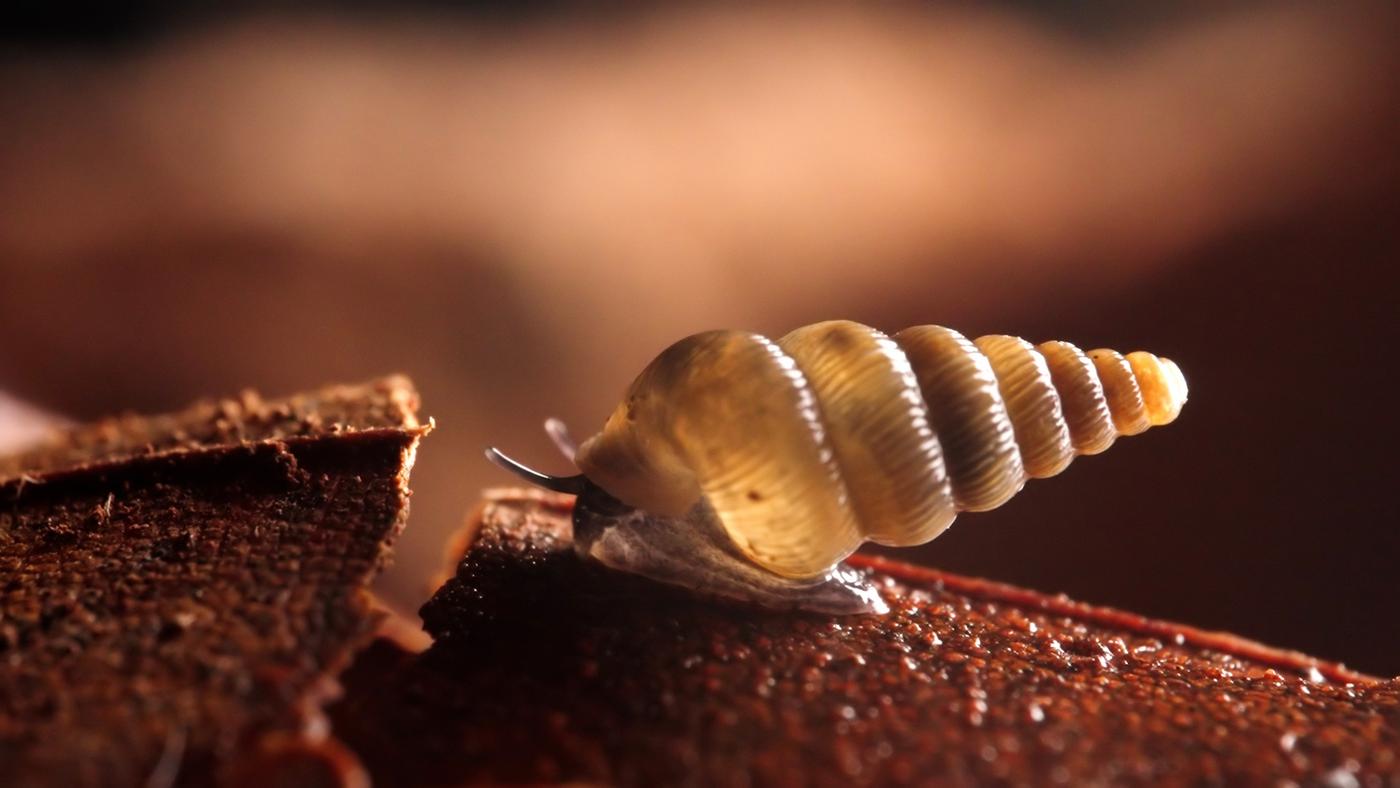
Now officially recognised by the scientific community: the previously unknown snail species Cochlostoma komarnica, named after the valuable habitat in which it was discovered.
© Roman Willi | Wildreach Productions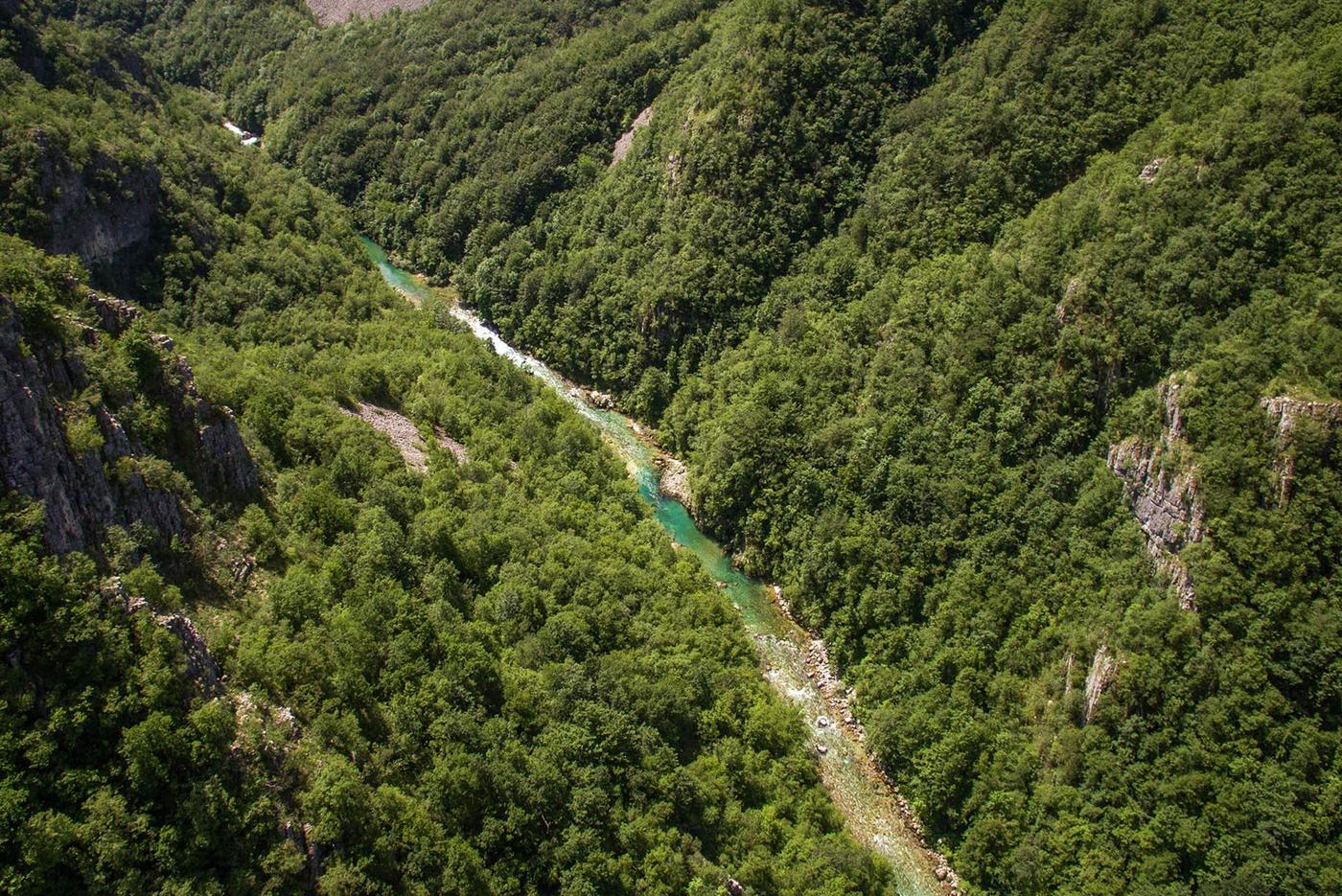
The endangered Komarnica Canyon in Montenegro.
© Riders.meTwo snail species were discovered in northwestern Montenegro by teams of researchers led by Taxon Expeditions and our partner organisation, the Montenegrin Ecologists Society, including international researchers, citizen scientists, local students, and conservationists, demonstrating the extent to which the region's biodiversity remains unexplored. Published today in the open access Biodiversity Data Journal, the tiny snails, named Cochlostoma komarnica and Cochlostoma dobrido, were identified during scientific expeditions in Komarnica Canyon and Durmitor National Park.
Although they are only about 7 millimetres long, the newly discovered snail species are considered an important find. They live on limestone rocks and were confirmed as new to science through detailed anatomical and genetic analyses. These findings lend weight to the ongoing efforts to protect the Komarnica Canyon, which currently lies outside the boundaries of the UNESCO-listed Durmitor World Heritage Site and remains under threat from plans for a hydropower project.
“The discovery of two new species in and around the Komarnica Canyon is a powerful reminder that the natural treasures of the Balkans are far from fully explored. It highlights the extraordinary biodiversity of this landscape and shows why its protection is so important. Once a unique ecosystem is lost, we risk losing species before science has even had the chance to document them. These findings further reinforce the demand for the Komarnica to be included in Durmitor World Heritage Site, ensuring the long-term protection of its unique biodiversity,” says Dr Amelie Huber, Freshwater Project Manager at EuroNatur.