


++ Tens of thousands take part in 60th International Waterbird Census ++ 1.9 billion waterbirds have been recorded since the 1st count in 1967 ++ The results contributed to international protection for wetlands ++ EuroNatur and its partner organizations in other European countries are also involved in the count ++
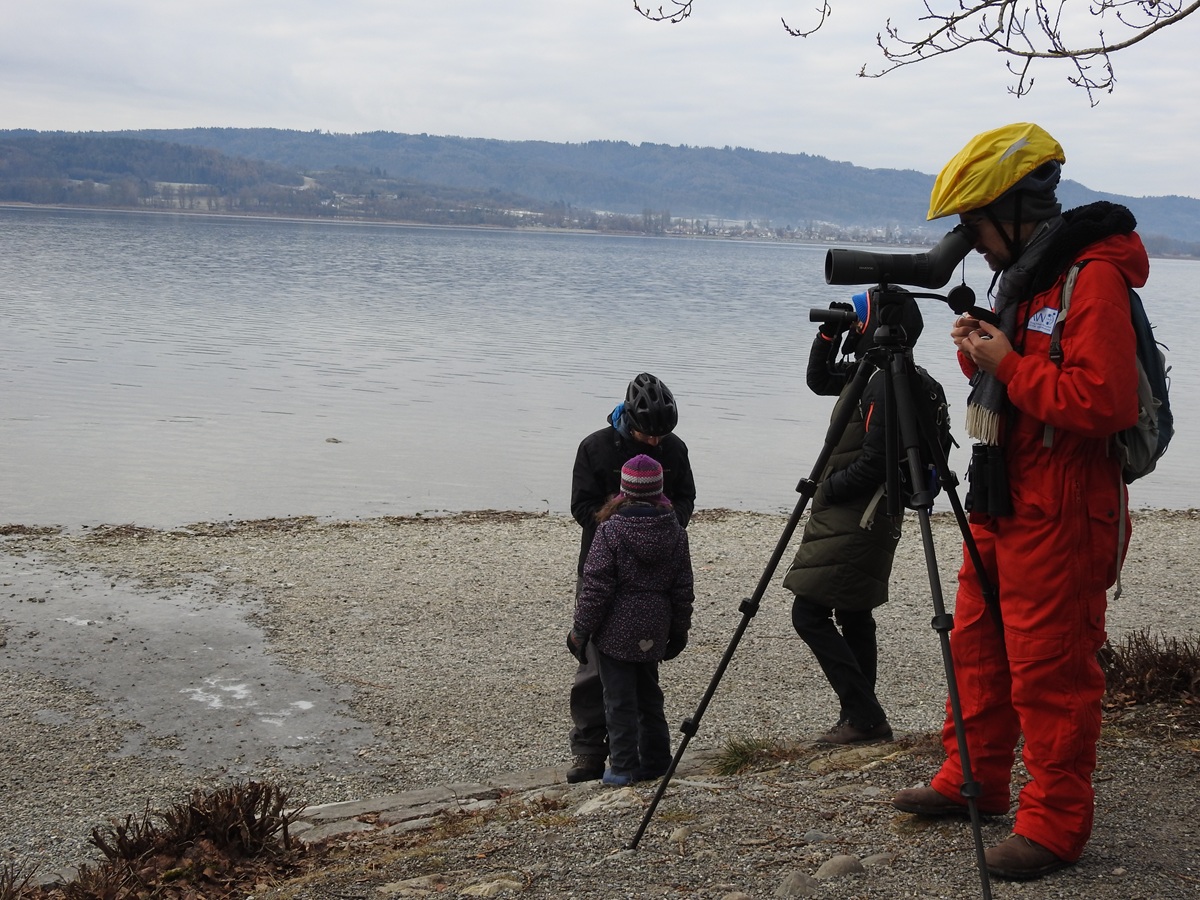
Counting birds is fun!, especially in company and for a good cause. EuroNatur volunteers during the waterbird count at Lake Constance in January 2025.
© Cornelia Mähr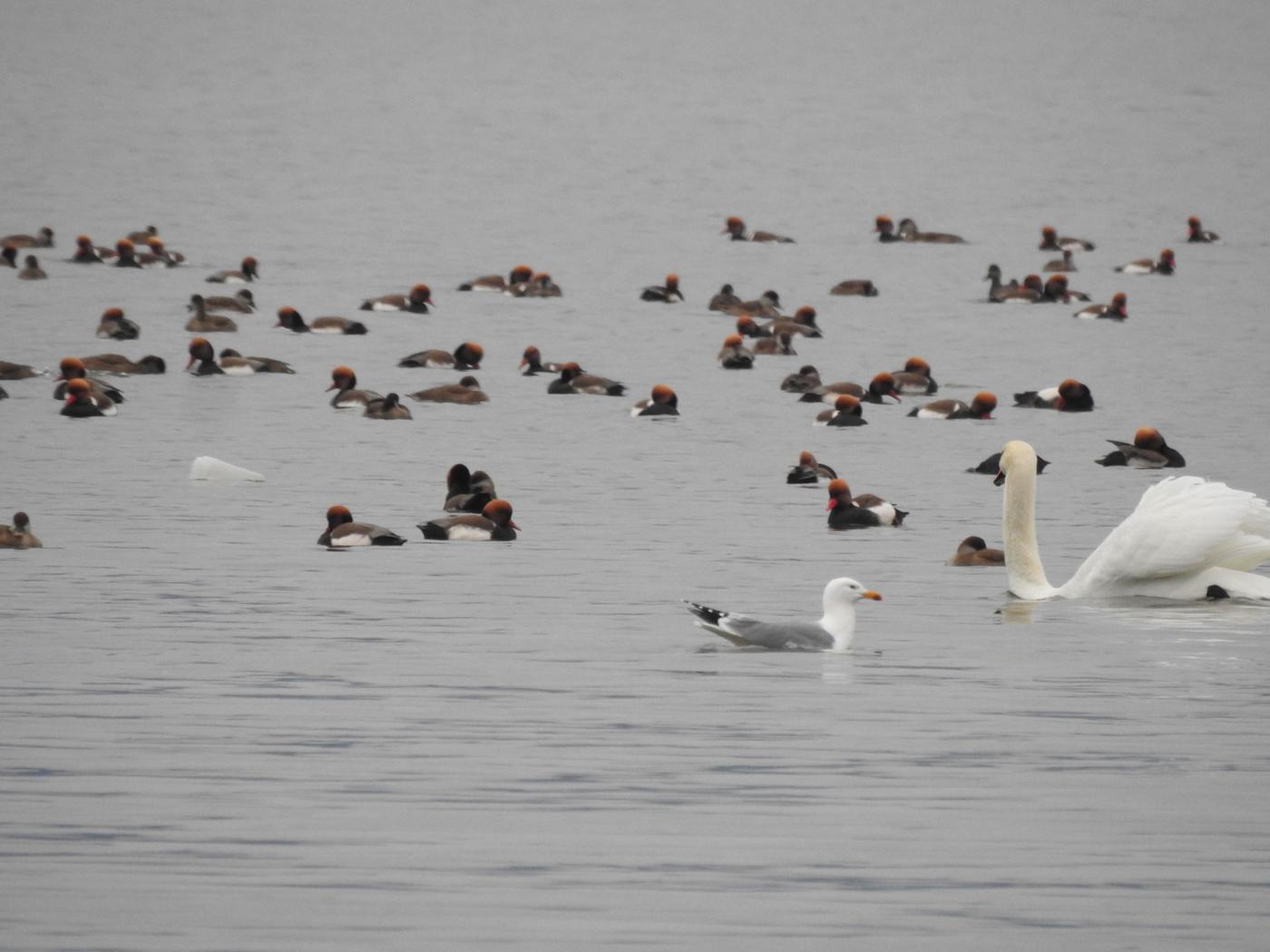
Mute swan, yellow-legged gull and many red-crested pochards: Lake Constance is a major Central European stopover site and wintering area for waterbirds. Stocks are traditionally surveyed along the entire lake in mid-January.
© Cornelia Mähr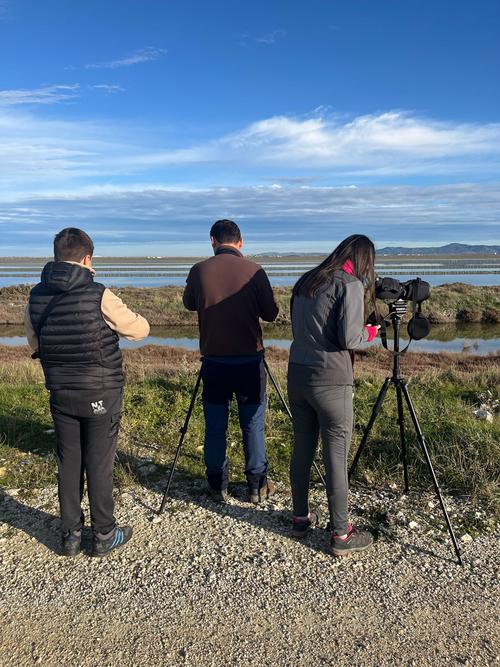
Midwinter census at EuroNatur’s Albanian partners in January 2025. In Albania, full-time and volunteer bird conservationists have been counting the country’s waders and waterbirds since 1994. Additionally, they are documenting illegal bird hunting activities and traces of poaching, such as cartridge cases or hunting lodges.
© Justine VansynghelRadolfzell. Tens of thousands of people are beginning to fan out into wetlands across the world to participate in the 60th edition of the International Waterbird Census – an extraordinary citizen science project that has played a huge role in global conservation efforts over the past six decades.
Clasping telescopes and binoculars, teams of scientists and volunteers are heading for their local wetlands from icy European lakes and warm Caribbean coastlines to Asian mudflats and tropical African estuaries. They are following in the footsteps of all the counters since 1967 – to monitor the health of waterbird populations and the wetlands they depend on.
They are part of one of the world’s largest, longest running and most influential biodiversity monitoring projects, including surveys in 57,000 wetlands in 189 countries and territories. It has driven conservation action worldwide – protecting wetlands, safeguarding waterbird populations, and shaping international conservation policies and practices that have benefited people, nature and climate.
“For 60 years, the International Waterbird Census has shown the power of people coming together for nature – developing into an essential beacon of knowledge and collaboration that has underpinned conservation successes for waterbirds and wetlands across the globe,” said Coenraad Krijger, CEO of Wetlands International – one of the coordinators of the IWC. “This remarkable milestone is a tribute to the tens of thousands of volunteers and scientists, and partners whose commitment has made global conservation stronger, more connected, and more effective.”
The internationally operating nature conservation foundation EuroNatur and its European partner organisations are involved in the census, too. “Spotting scopes will also be shouldered again along the Adriatic Flyway during the midwinter census in January – with meticulous care, volunteers and full-time staff of our partner organisations will not only count the waterbirds but also document any illegal poaching activities,” says Dr Stefan Ferger, EuroNatur’s Head of Programme for the protection of migratory birds.
In fact, many waterbird populations are declining. There are particularly alarming downward trends among waders, reflecting the pressure on wetlands along their migration routes. “The IWC’s strength lies in its continuity. The census’ annual repetition builds up a long-term database, enabling us to understand actual population trends among waterbirds and find effective solutions for problems like poaching or habitat loss,” says Dr Justine Vansynghel, EuroNatur’s project manager for the protection of migratory birds.
Background information:
- Designed to estimate waterbird population sizes and trends, identify and monitor priority wetlands for waterbirds, and support wetland protection and management, the census has contributed to incredible conservation successes, including:
- Designation of 956 Ramsar Wetlands of International Importance, covering 1.5 million km2 (size of Mongolia);
- Identification of 2,701 Important Bird Areas, covering 1.75 million km2 (size of Libya);
- Identification of 2,721 Special Protection Areas across the EU, covering 418,000 km2 (larger than Germany).
- EuroNatur has been committed to protecting migratory birds in Europe since the foundation was established. Amongst others, we work with our partners to protect important habitats along the Adriatic Flyway, where hundreds of thousands of birds stop over and winter each year.
- Follow this link to find photos and personal stories from bird counters around the world.
- In this short video, EuroNatur project manager Dr Justine Vansynghel can be seen preparing for the count in the field.
More information:
Christian Stielow, christian.stielow(at)euronatur.org, Tel.: 07732/927215
Richard Lee, Head of Communications, Wetlands International; Richard.Lee(at)wetlands.org, Tel.: +31 654287956