“Rural communities have a deep understanding of nature.”
In a world where nature conservation and environmental protection are more important than ever, women are now playing a key role. In this series of articles, we highlight women who are bringing about positive change with passion, courage, and vision, and who are making a significant contribution to protecting Europe's natural environment.
Why Frosina Pandurska-Dramikjanin believes that nature conservation always begins with people.
You played a major role in ensuring that the North Macedonian side of the Shar-Korab-Korritnik mountain range has also been protected since 2021. Is that a success story? Yes, absolutely. In fact, the Shar National Park is a fine example of how the local population and many interest groups became involved in the designation process. Today, there is a national park authority, clear rules, and rangers who ensure that the regulations are followed. This has led to many positive changes, most notably a decrease in illegal activities in the area. Before it was designated a protected area, there was massive deforestation and illegal construction everywhere. Today, every project requires the approval of the national park authority. Nevertheless, the institution needs to develop significantly further in order to have a lasting impact. Above all, the national park needs financial stability to guarantee secure jobs for park employees and to become a real showcase for the region.
Find out more about the EU-funded BESTbelt project to empower women in rural areas of North Macedonia in this video and delve deeper into Frosina's work:
By clicking on the preview image, a video from an external source is integrated. This will transfer your IP address to the external server. Further details can be found in our privacy policy.
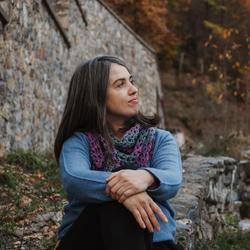
Frosina Pandurska-Dramikjanin is a social scientist, communications professional, and has been active in nature conservation in North Macedonia for more than 15 years. Back then, as a project coordinator at EuroNatur's partner organization Macedonian Ecological Society, she was one of the driving forces behind the designation of the Shar National Park and impressively demonstrated how important it is to involve the local population in the process. Empowering women in rural communities, reviving ancient knowledge, and combining tradition with innovation are promising approaches for Frosina to find answers to the challenges of our time.
You were one of the key players in the process of establishing the national park. What did you learn during that time? Were there any moments that changed you personally?
The years immediately preceding the designation of the protected area were particularly difficult. At the time, I was at the very forefront as a spokesperson for the national park. In the final stages, we were suddenly viewed as adversaries, and the pressure from certain interest groups was intense—especially when we ultimately appeared alongside the ministry, as government institutions are generally perceived as opponents in this country. People realized that the national park would soon become reality. During this phase, there were some unpleasant situations, including with hunters who wanted to prevent the national park from being established. All those years before, I had identified completely with my role as an activist. Then it suddenly dawned on me that, while it's wonderful to be passionate about a cause, it's dangerous to make your entire identity dependent on it. Realizing this was initially a shock to me. But perhaps it was also the moment when I understood that things cannot be forced, but that processes take their own time and everything happens at its own pace, no matter how much money, attention, and energy you have already invested in it. My approach towards work has changed fundamentally since then. Until that moment, I had the classic project management attitude of “with measure X, I will achieve goal Y,” and I would push hard.
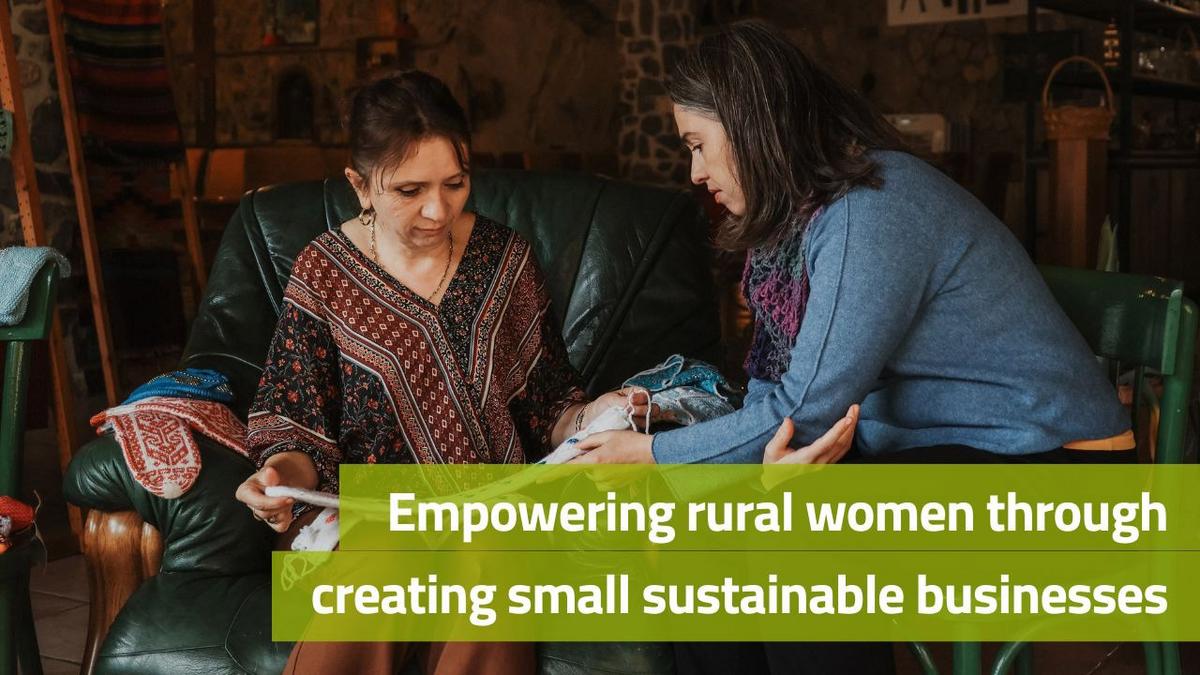
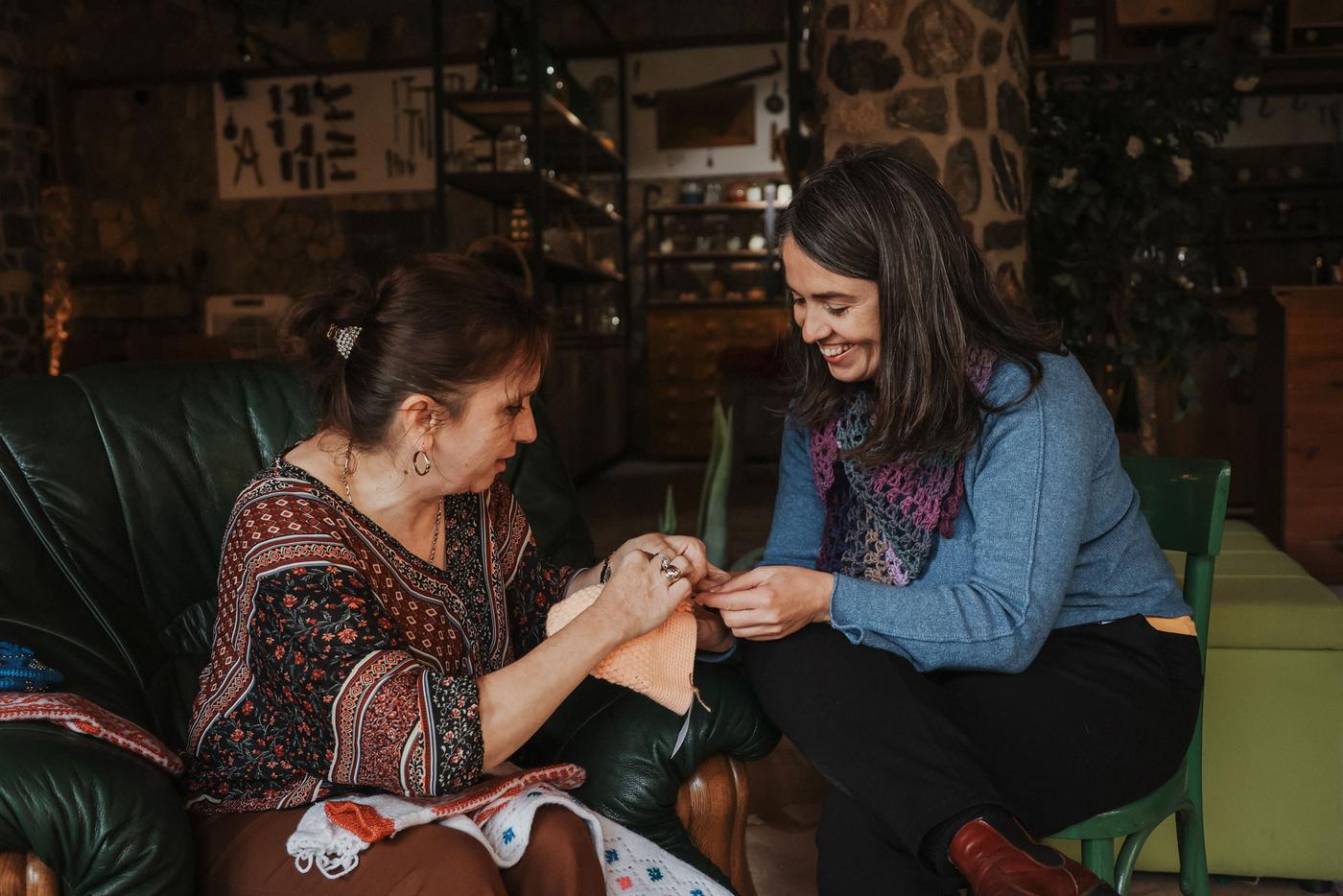
Anita Maloska (left in the picture) learned the craft of knitting from her mother and grandmother. She decorates her wool products with traditional patterns that are typical of the region. Frosina encourages Anita, telling her that she is creating something precious and special that can generate additional income.
Really understanding what makes the local population tick, what motivates people and what they need. That's different from just involving them in order to achieve a specific result, such as the designation of a national park. As part of BESTbelt, I worked intensively with women in the Debar region. We didn't put pressure on the women with specific expectations, we simply accompanied them. Our first question was: What are you passionate about? Produce what you do best! The beauty and power of this project lay in this freedom. The women were enthusiastic because they received financial support for what they were already doing—whether it was handmade noodles, wool sweaters with traditional patterns, or menus featuring regional dishes. We helped them to showcase their products and market them under a common label, deliberately selecting products that are associated with plants typical of the local area. For example, women from the community of Centar Župa dug up an old recipe for black mulberry syrup, which can be used as a natural sweetener. The knowledge exists, it just has never been valued. In the city, no one knows the recipe for mulberry syrup anymore. The fruits fall from the trees there unnoticed. Yet they are incredibly sweet, so you don't need industrial sugar. Rural communities live in close connection with nature and have a wealth of knowledge. By promoting products from the region, we not only support the women, but also keep alive knowledge about local plant species and their uses. This is a treasure that we have lost in the cities.
“We didn't put pressure on the women with specific expectations. The ideas came from them, and therein lay the beauty of the project.”
Frosina Pandurska-Dramikjanin
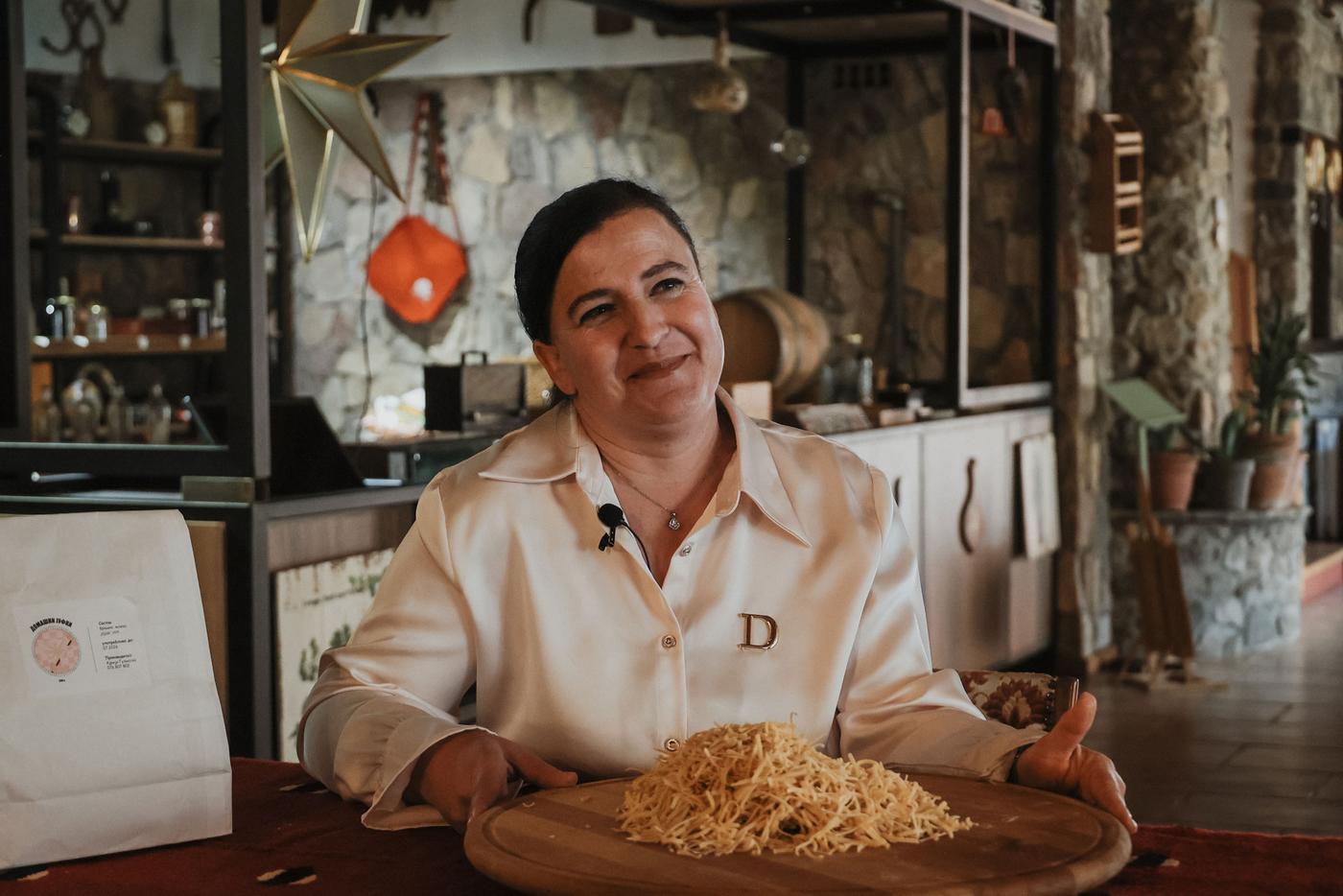
Sibela Rustemoska is proud of her hand-made noodles. She is one of the women from the Debar region who have gained new self-confidence through working with Frosina.
You worked with the women to develop business plans for marketing regional products. That cannot have been an easy task in this patriarchal region...
It became clear how deeply entrenched traditional role models still are in the Debar region. The social role of women is not to be an active part of society, but rather to take care of the family. We couldn't expect the men to suddenly agree with the idea of their wives starting to sell their own products. We had to proceed very sensitively so as not to put pressure on the women with overly high expectations. Even the term “business” made many of them feel insecure. In rural areas, there is a lack of female role models in this regard, especially in villages that are almost cut off from the outside world. We had to explain that it was not about becoming entrepreneurs, but about generating additional income, gaining appreciation for their work, and creating incentives for the younger generation to stay in the region.
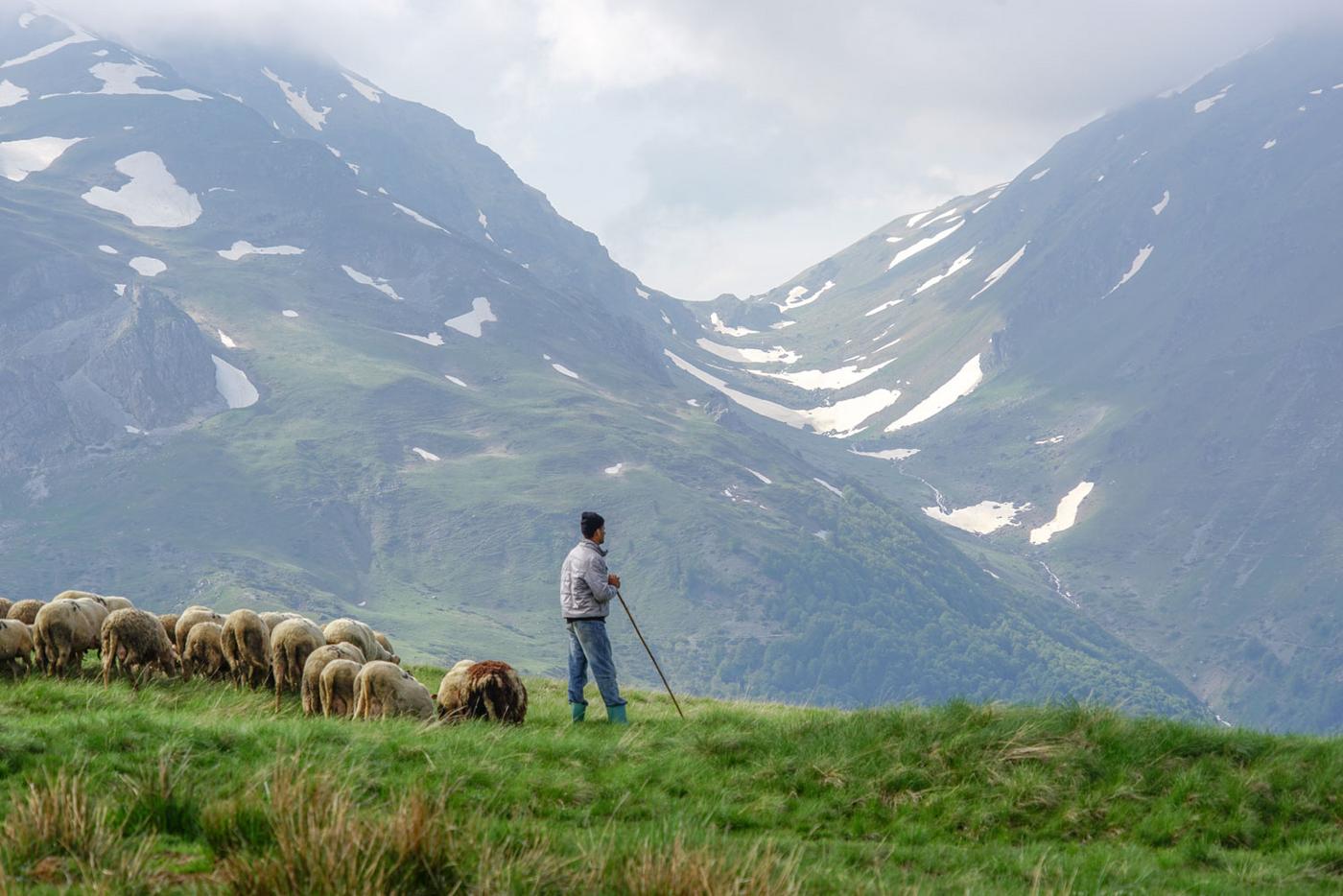
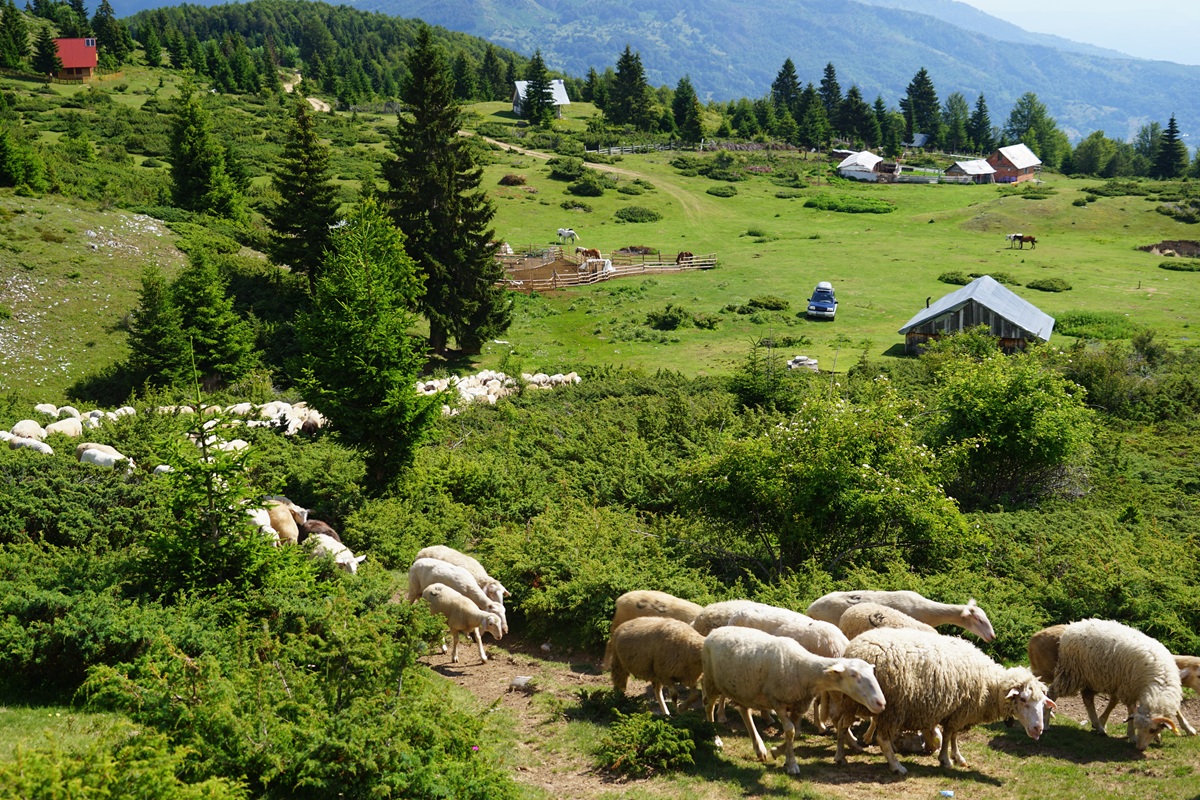
The tradition of transhumance was once widespread in the Shar Mountains. With its decline, valuable knowledge about ecological relationships is being lost.
You challenge entrenched views while at the same time attaching great importance to preserving traditions. Isn't that a contradiction?
No, not at all, in my view. Many traditions contain an incredible wealth of knowledge, but they need to be transferred to the present day. The best example is transhumance. For me, it is one of the most original forms of our coexistence with nature – long before profit became an issue. Shepherds have an enormous knowledge of ecosystems. As a social scientist, I already dealt with this topic in my master's thesis, and I keep coming to the conclusion that transhumance holds the answers to many current questions. But traditional transhumance is like a dinosaur that has stopped evolving. Understandably, very few young people today are willing to do this hard work, spending 16 hours alone on the mountain—without internet, without electricity. Shepherding must adapt to modern conditions in order to survive, and that requires a society-wide effort. We also need to consider how we can reuse wool as a forgotten resource.
What gives you hope that humanity will continue to develop in a positive direction?
I believe it is vital for our survival that we start thinking and working together in an interdisciplinary way. For example, conservationists should be open to the ideas of young entrepreneurs, cooperate more with social organizations, be willing to find a common language, and learn from each other. The younger generation is incredibly inspiring and willing to take risks. I see so many young people with start-ups and bold ideas. We need to join forces with them if we want to bring about real change. Many young people are already working on innovative solutions and have a completely different awareness of environmental protection than we did in the past. That gives me hope.
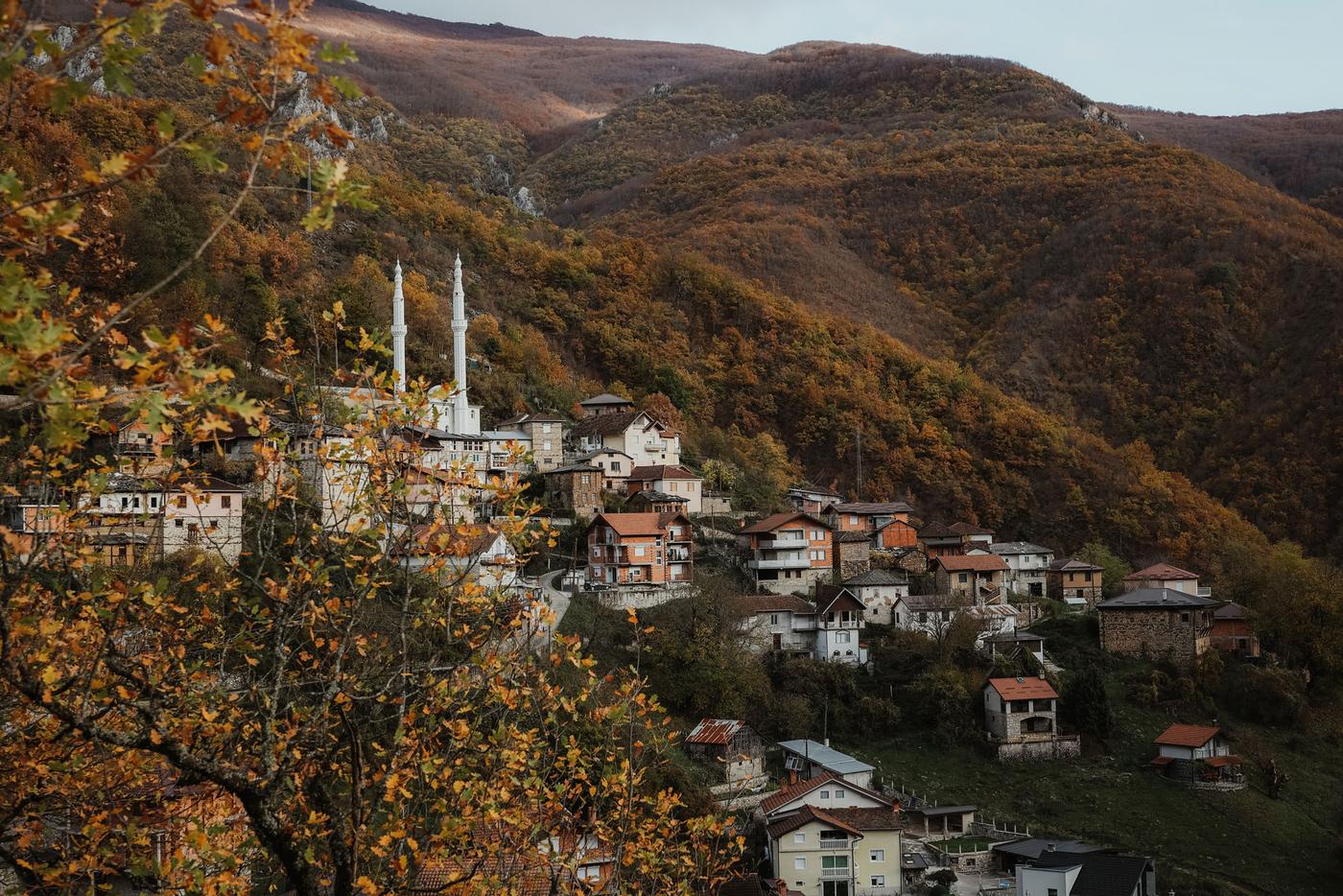
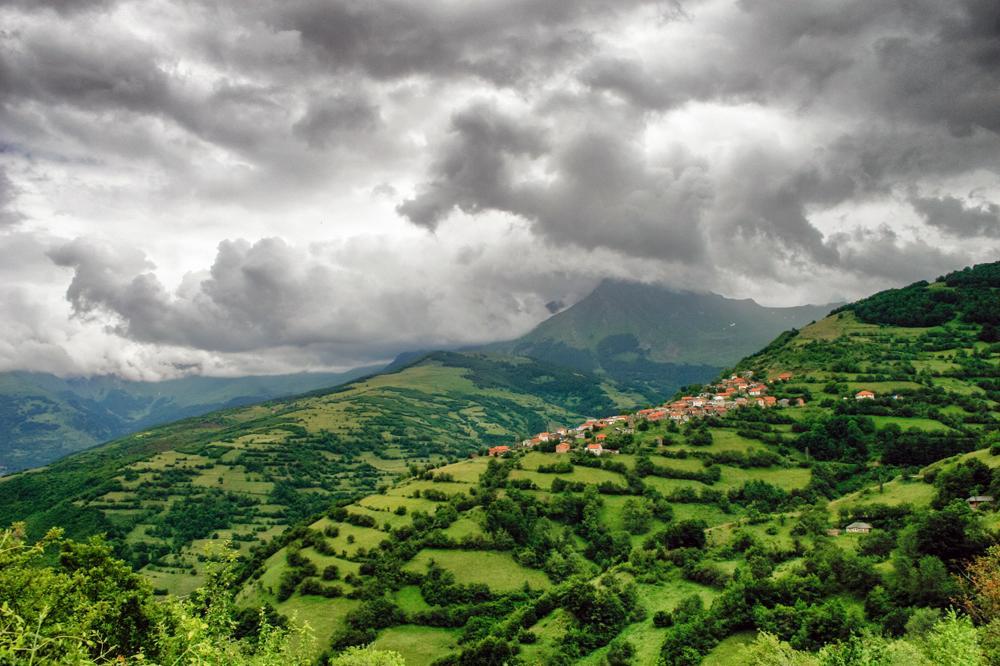
Looking for new perspectives! Like many villages in the mountainous west of North Macedonia, Janče has been severely affected by emigration.
You yourself tend to think unconventionally and outside the box. Do you have a supportive environment for this?
Yes, through my work I have built up a large network and have many opportunities to share and reflect on my ideas with other people from a wide variety of fields. This helps me to see the big picture. I love connecting people so that new projects can emerge. It is particularly important to me to continue to empower and support women in rural areas. I recently became a mentor for a network of rural women in Serbia and would like to set up something similar in North Macedonia. The women help each other to develop project or product ideas and support each other in implementing them. What I have learned is that people learn best from each other: a beekeeper from another beekeeper, a shepherdess from another shepherdess, and a farmer from another farmer. In the past, the use of natural resources was clearly regulated in society, and the well-being of village communities was paramount. I firmly believe that in the future we can reintroduce similar systems that respect both nature and people and are sustainable. In this context, I would like to contribute as a mediator, in the interests of nature and rural communities.
Frosina, thank you so much for this inspirational conversation!
The author: Katharina Grund is always impressed by the sheer amount of female power within the EuroNatur network. Although she was only able to interview Frosina online due to the considerable distance between Radolfzell and Skopje, Katharina came from the conversation feeling highly inspired and full of fresh energy.