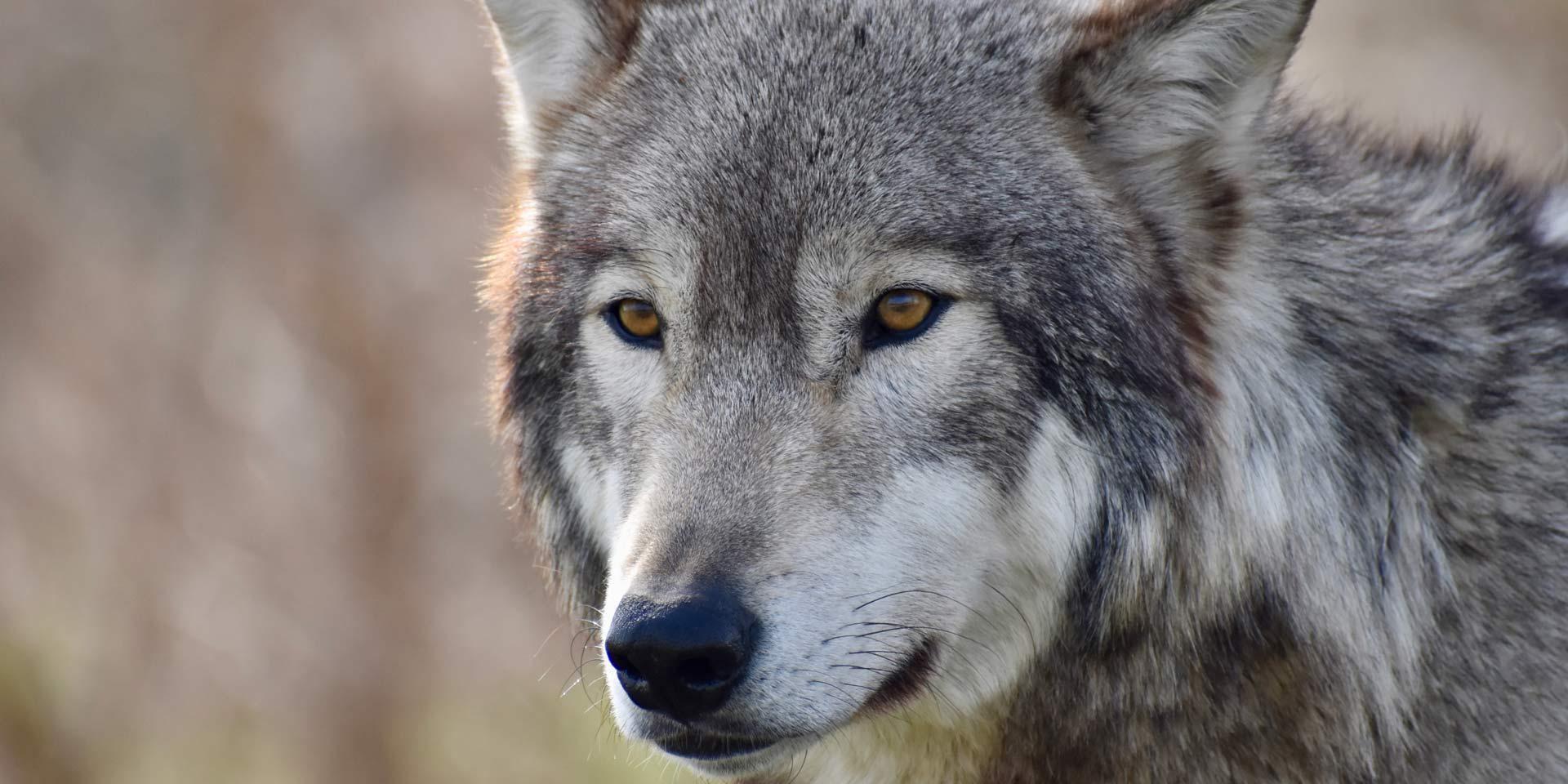
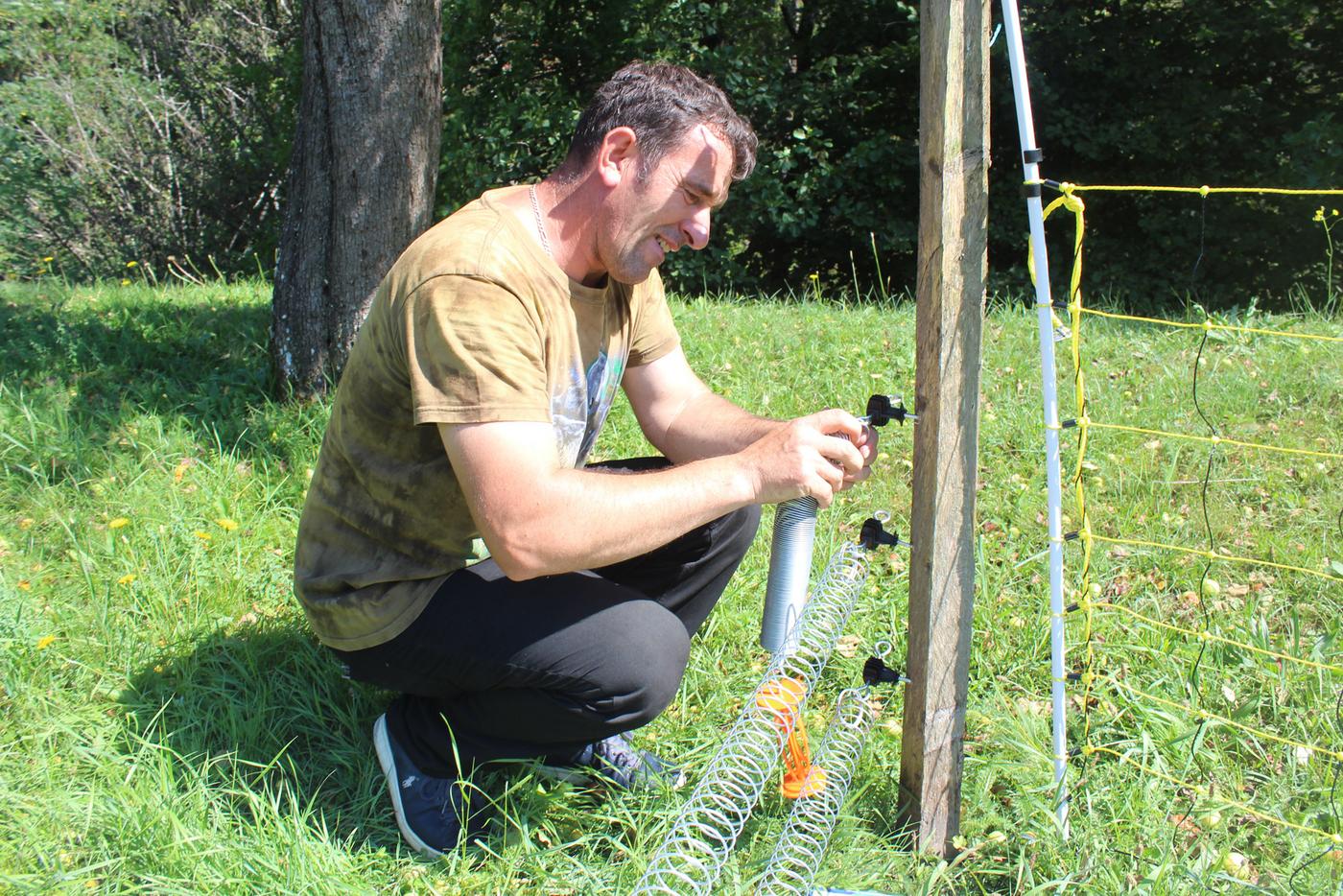
Slađan Pendić from Vareš is working in the heart of wolf territory, just like his family has for generations – and backs protection, not culling. He believes that peaceful coexistence is possible.
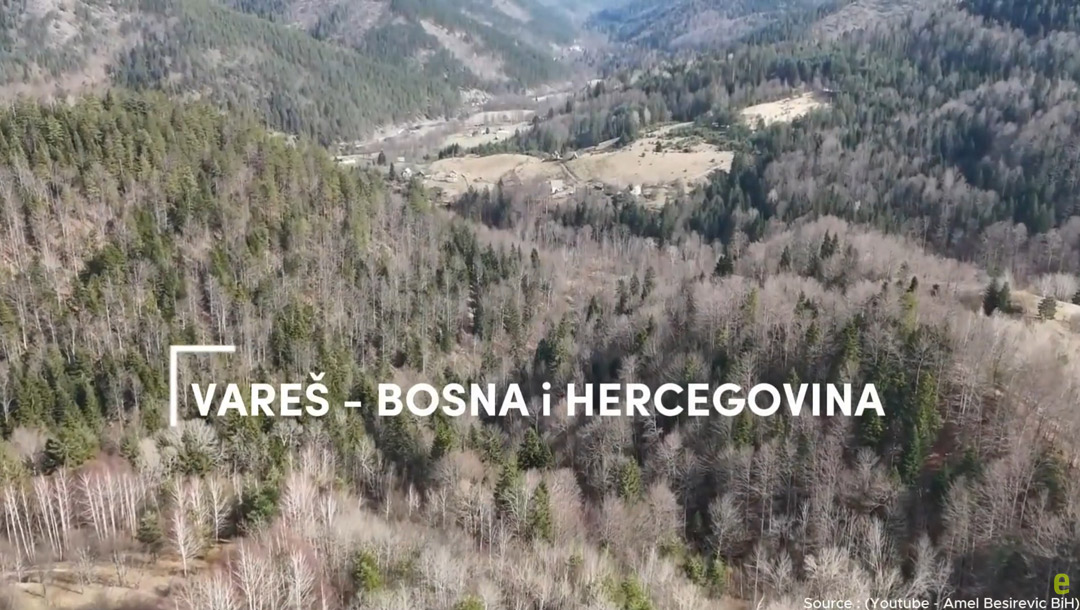
“The wolf population must be protected. Wolves have been living in the Zvijedza Mountains for centuries and play an important role in maintaining ecological balance.” It may come as a surprise that this statement comes from a farmer of grazing livestock. Slađan Pendić from Vareš lives and works in the heart of a wolf habitat in Bosnia and Herzegovina. His animals graze in a region where wolves have made their home for generations. And yet he does not advocate culling – but rather protection.
By clicking on the preview image, a video from an external source is integrated. This will transfer your IP address to the external server. Further details can be found in our privacy policy.
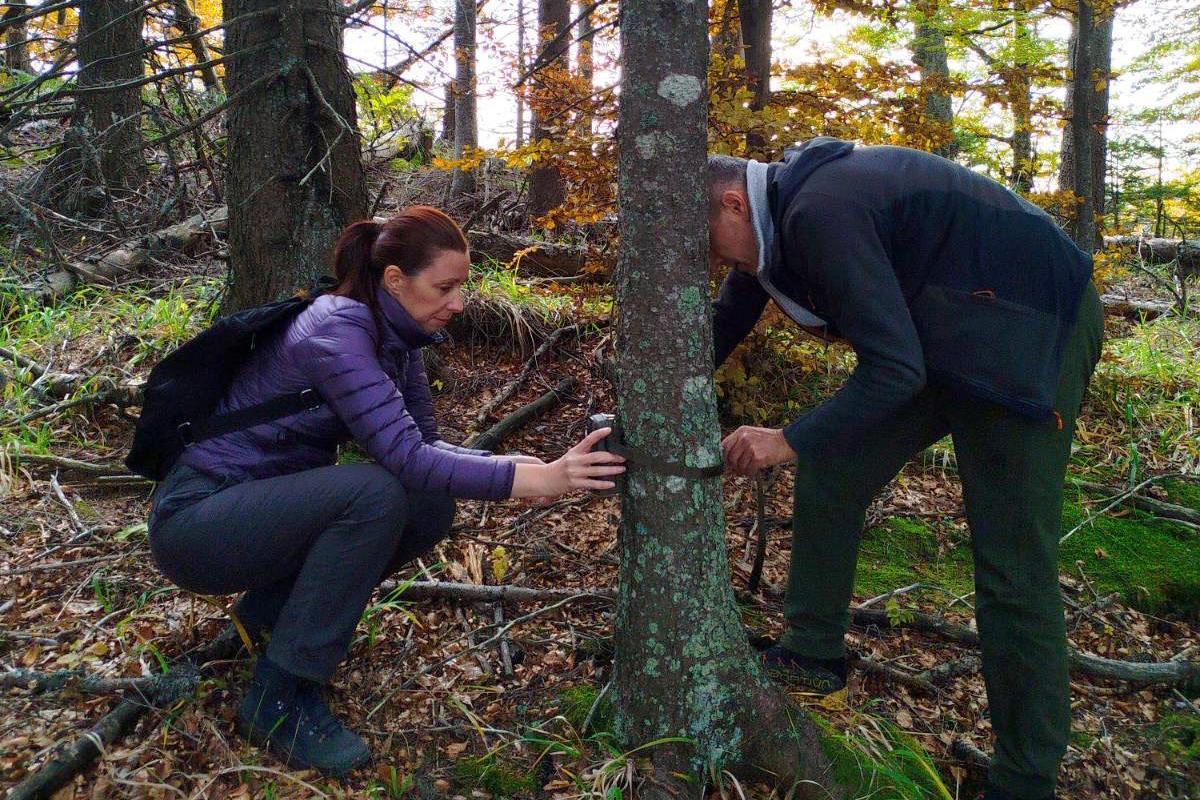
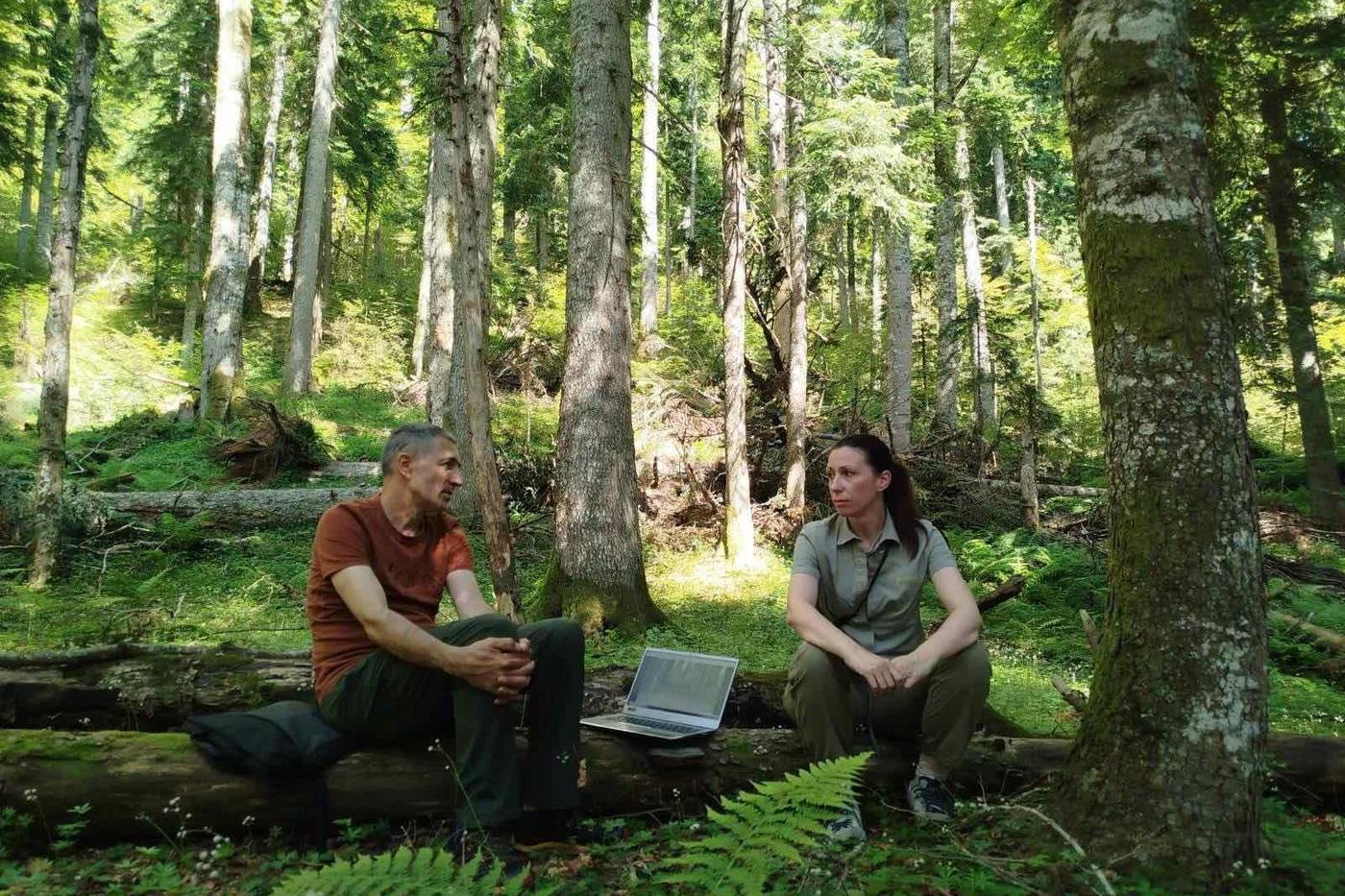
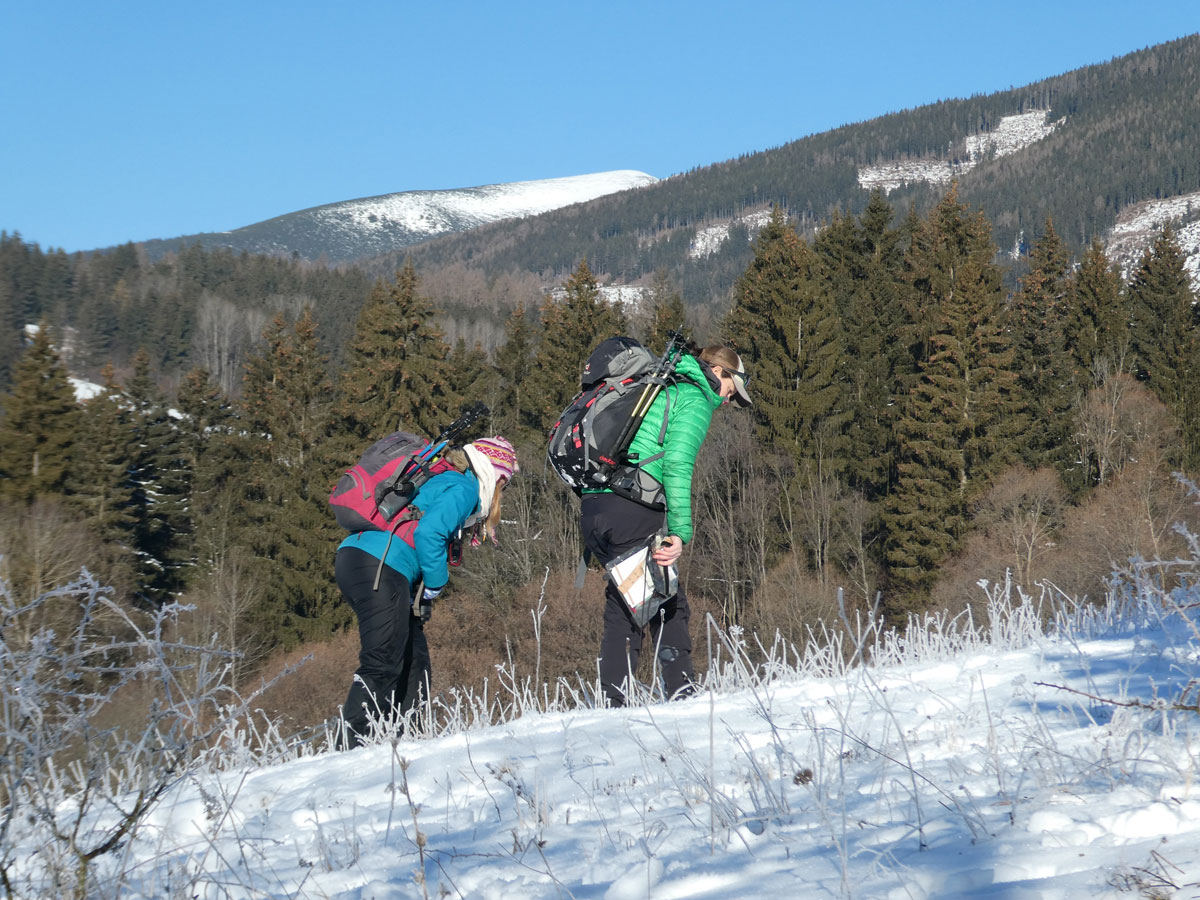
Aleksandra Anja Dragomirović (left) collecting evidence in the field. Camera traps provide reliable data – the foundation for fact-based decisions about wolf protection.
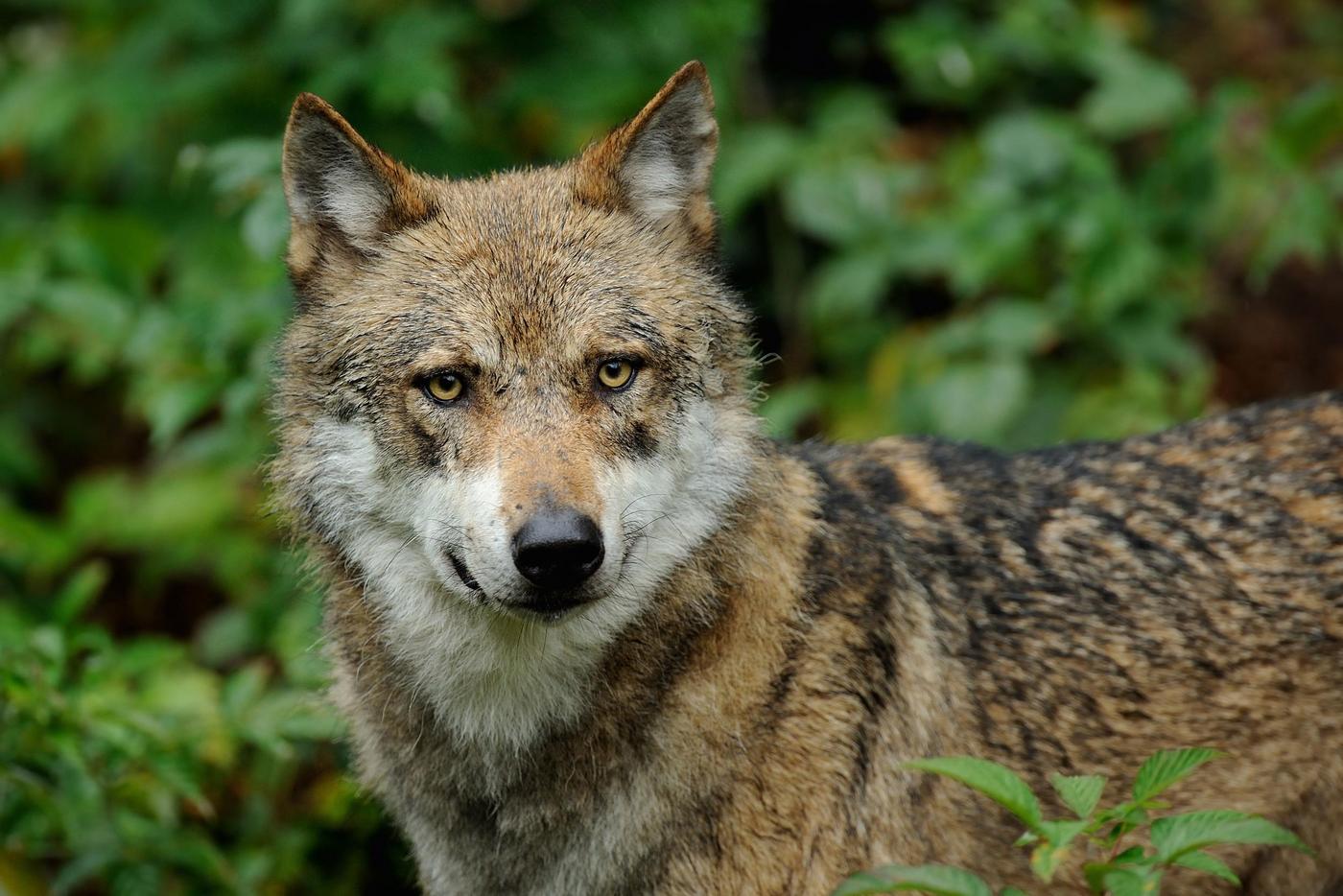
In the Balkans, wolves are as much part of the landscape as forests, high pastures and ancient sheperds’ trails. “The wolf is not just an animal, but part of our culture, mythology and identity,” says Aleksandra Anja Dragomirović of EuroNatur’s partner organisation, the Center for Environment (CZZS).
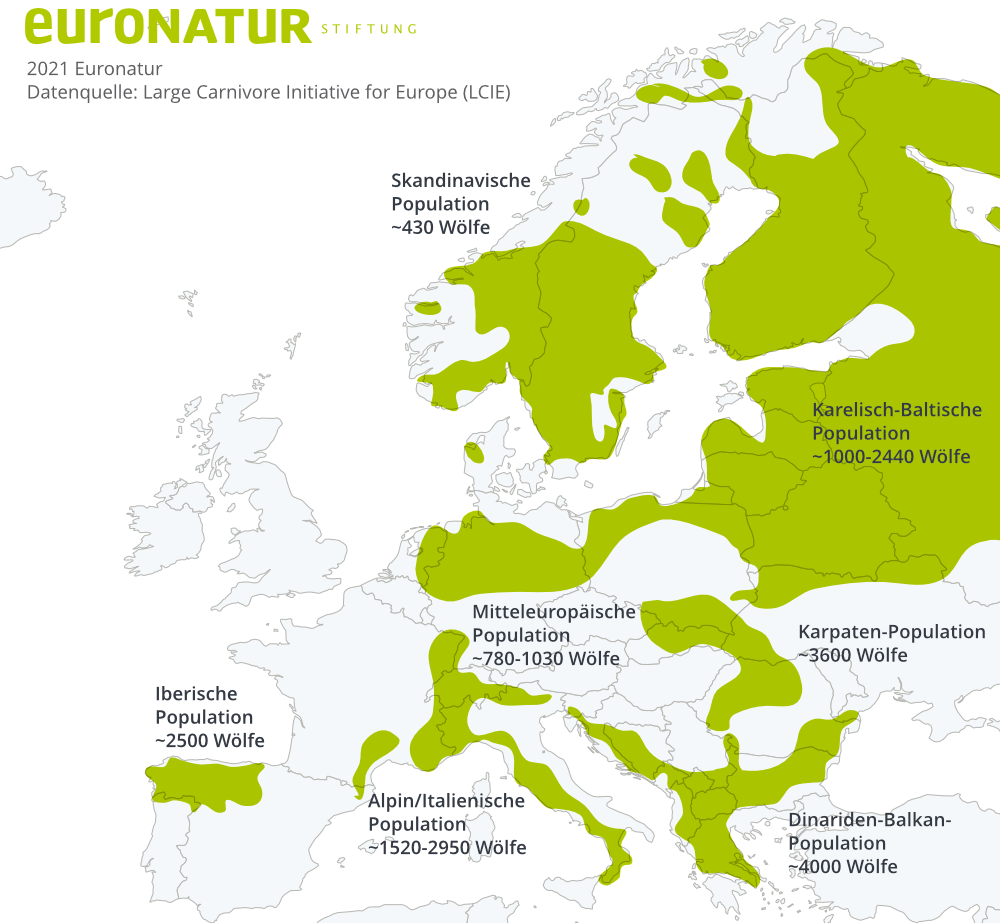
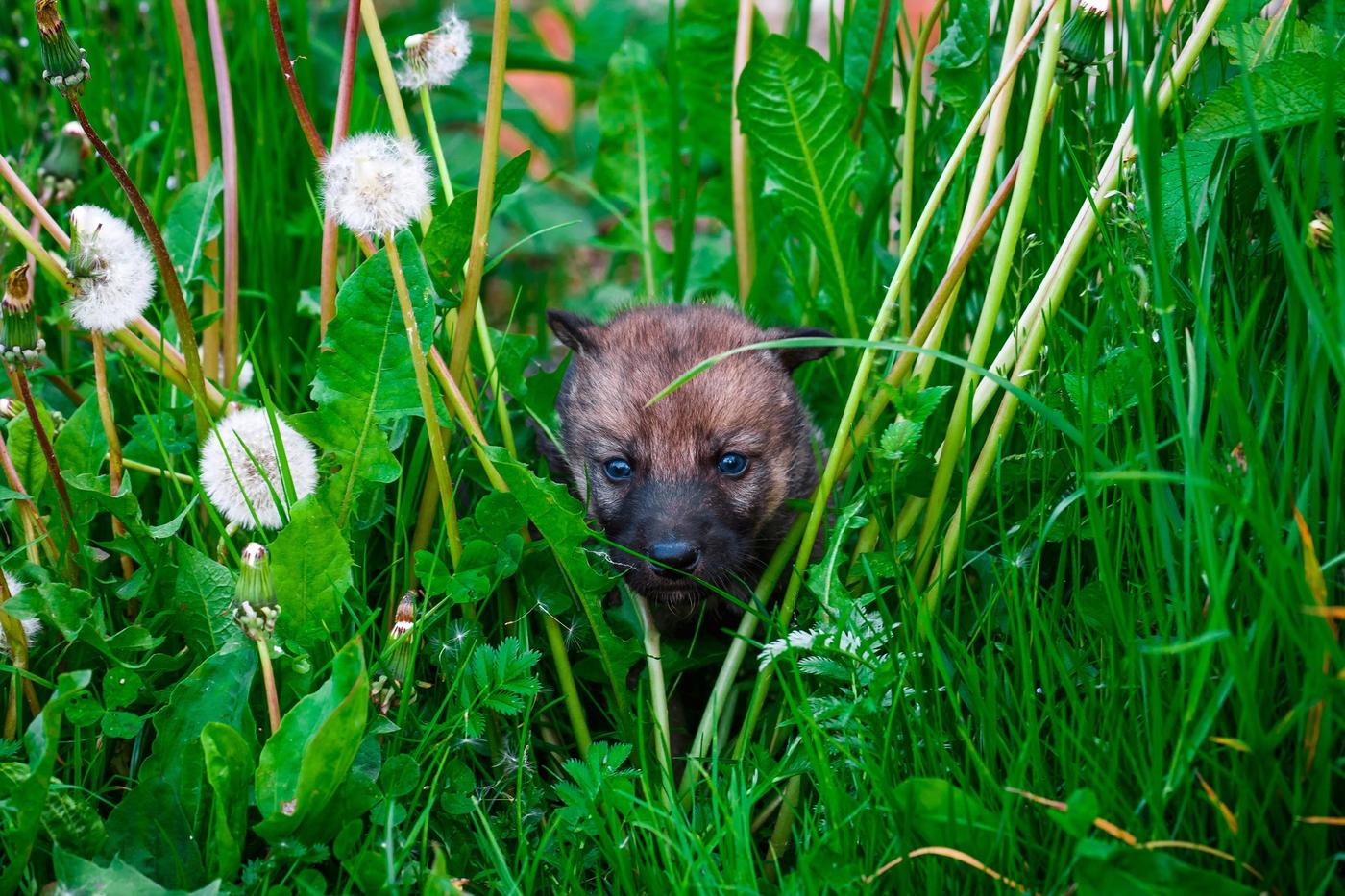
There is an estimated number of 400 to 600 wolves currently living in Bosnia and Herzegovina. With your support, we can preserve the wolf as an integral part of the landscape and culture, strengthen local protective measures and promote a peaceful coexistence of humans and wolves in Bosnia and Herzegovina.
Between tradition and conflict
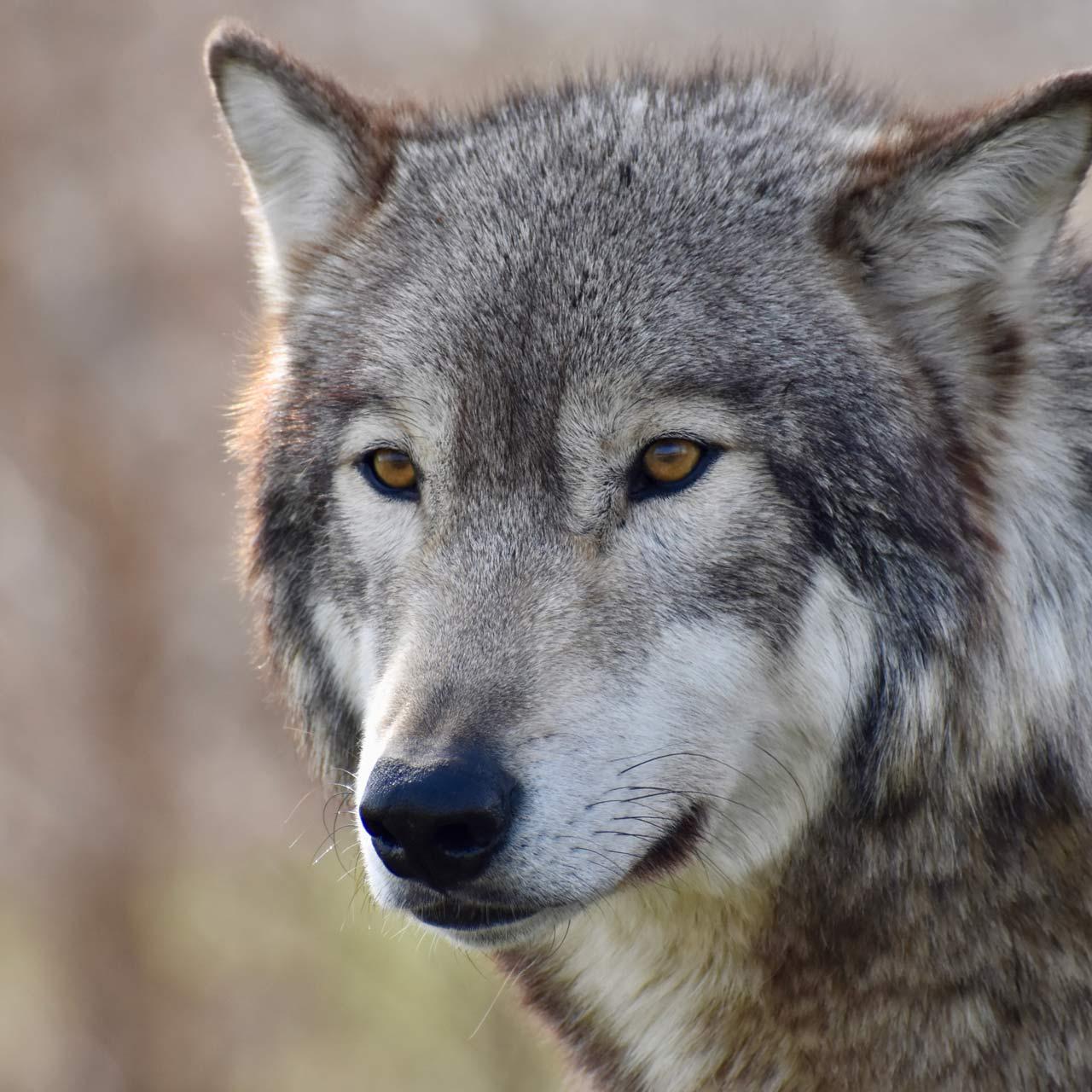
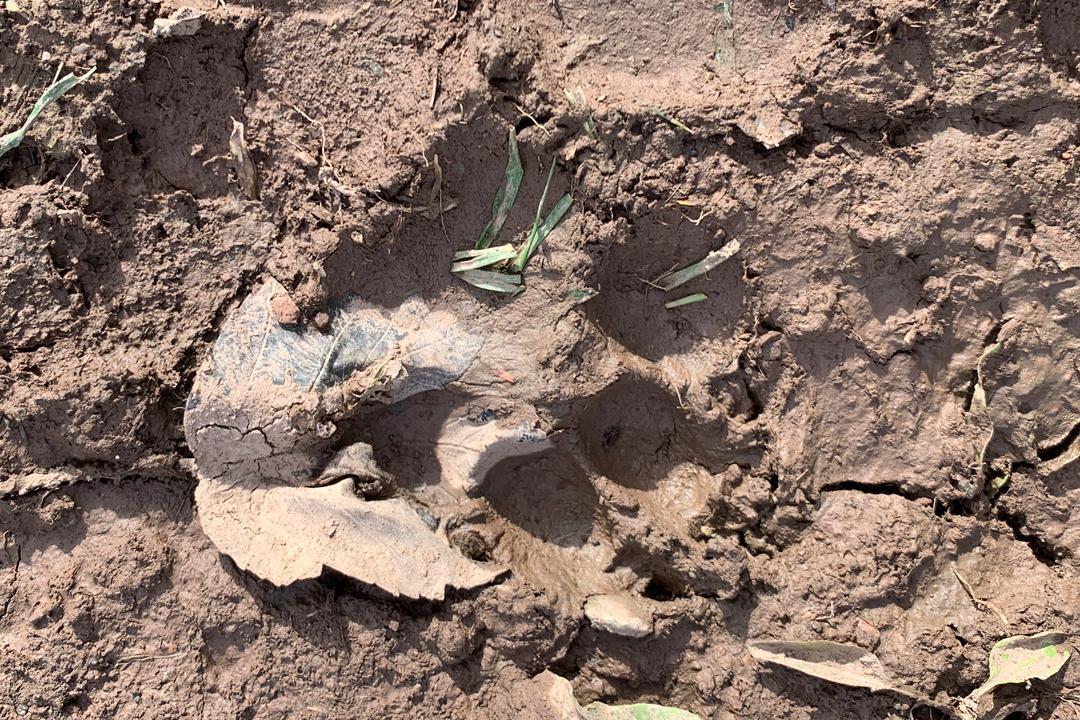
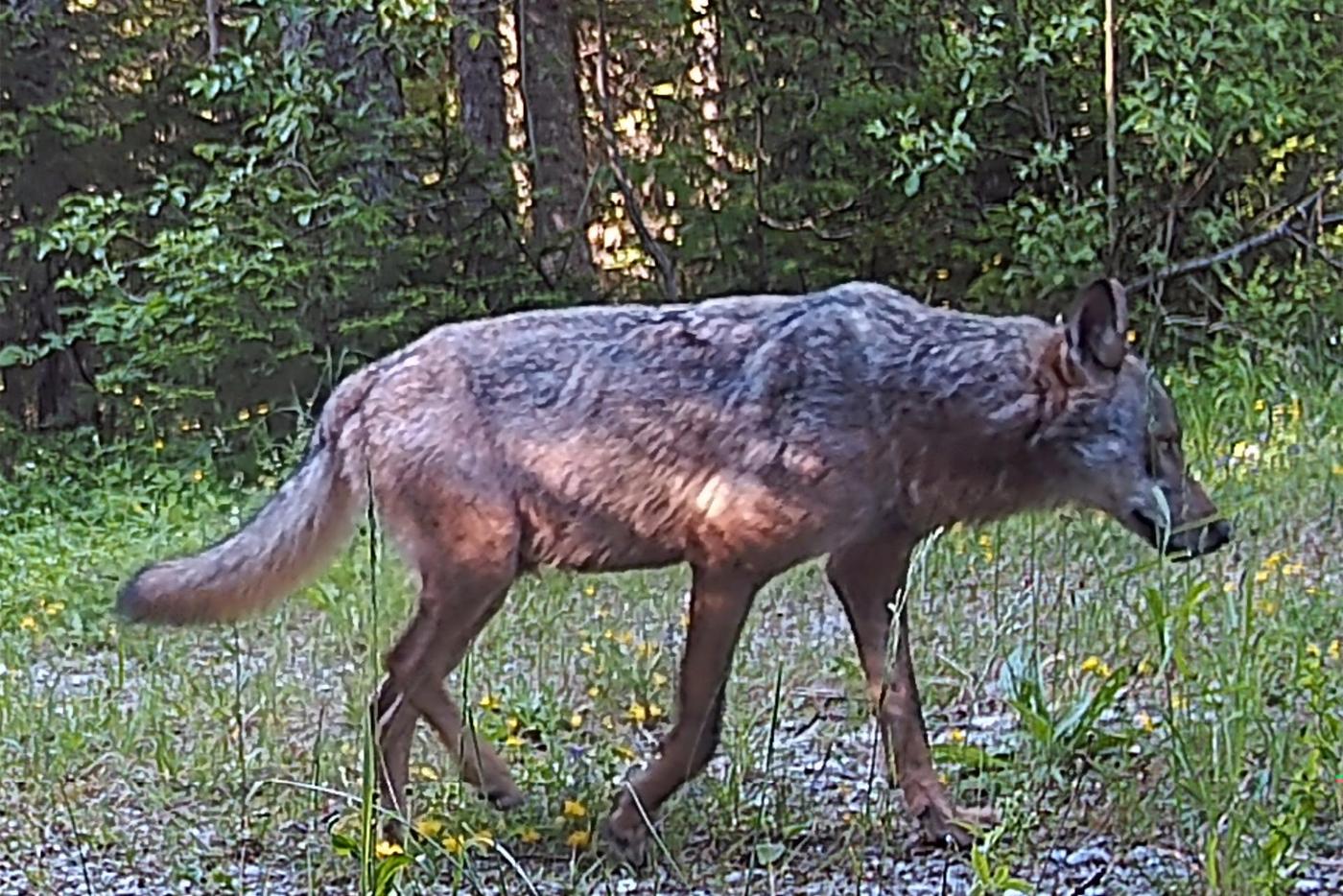
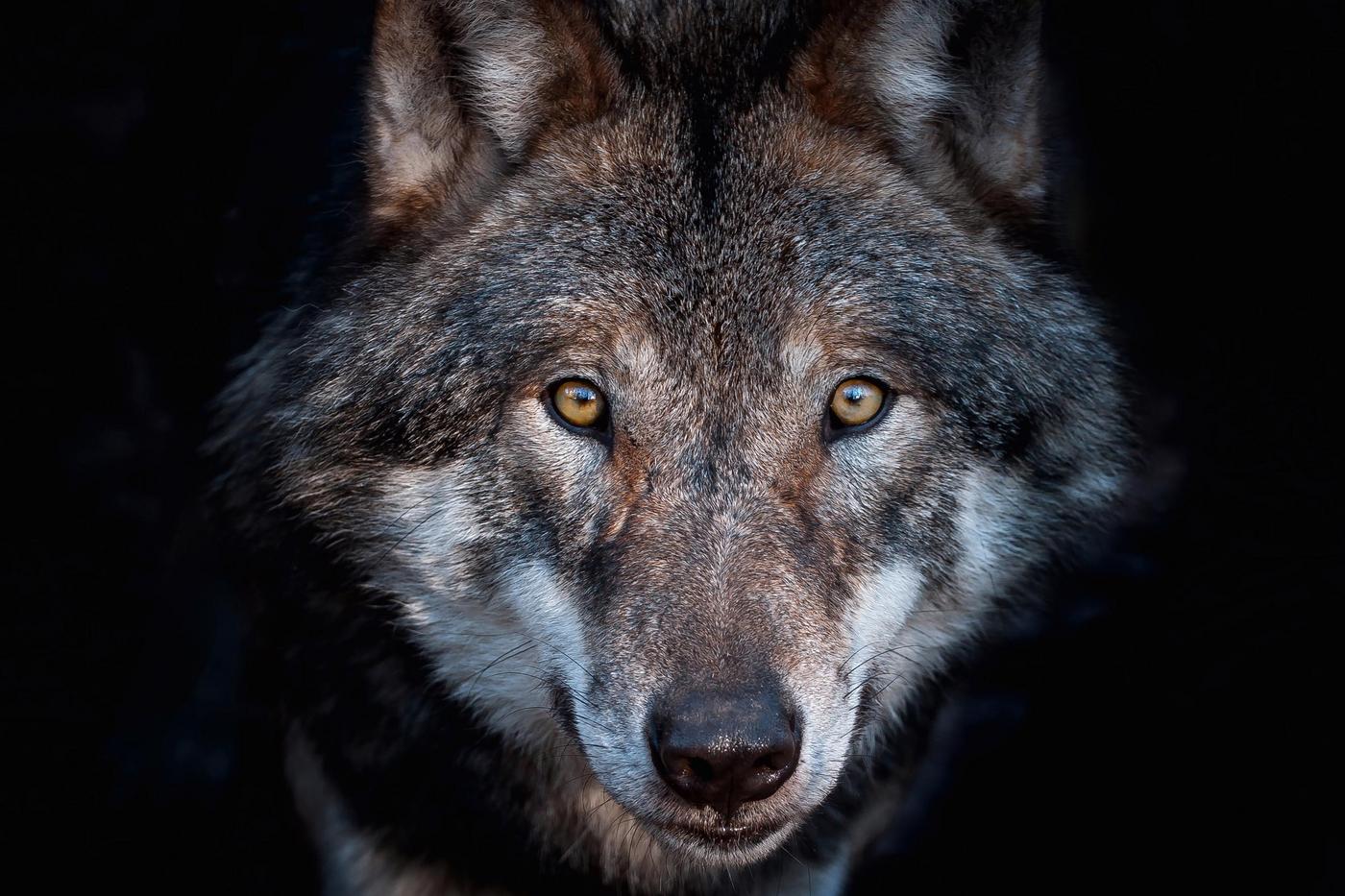
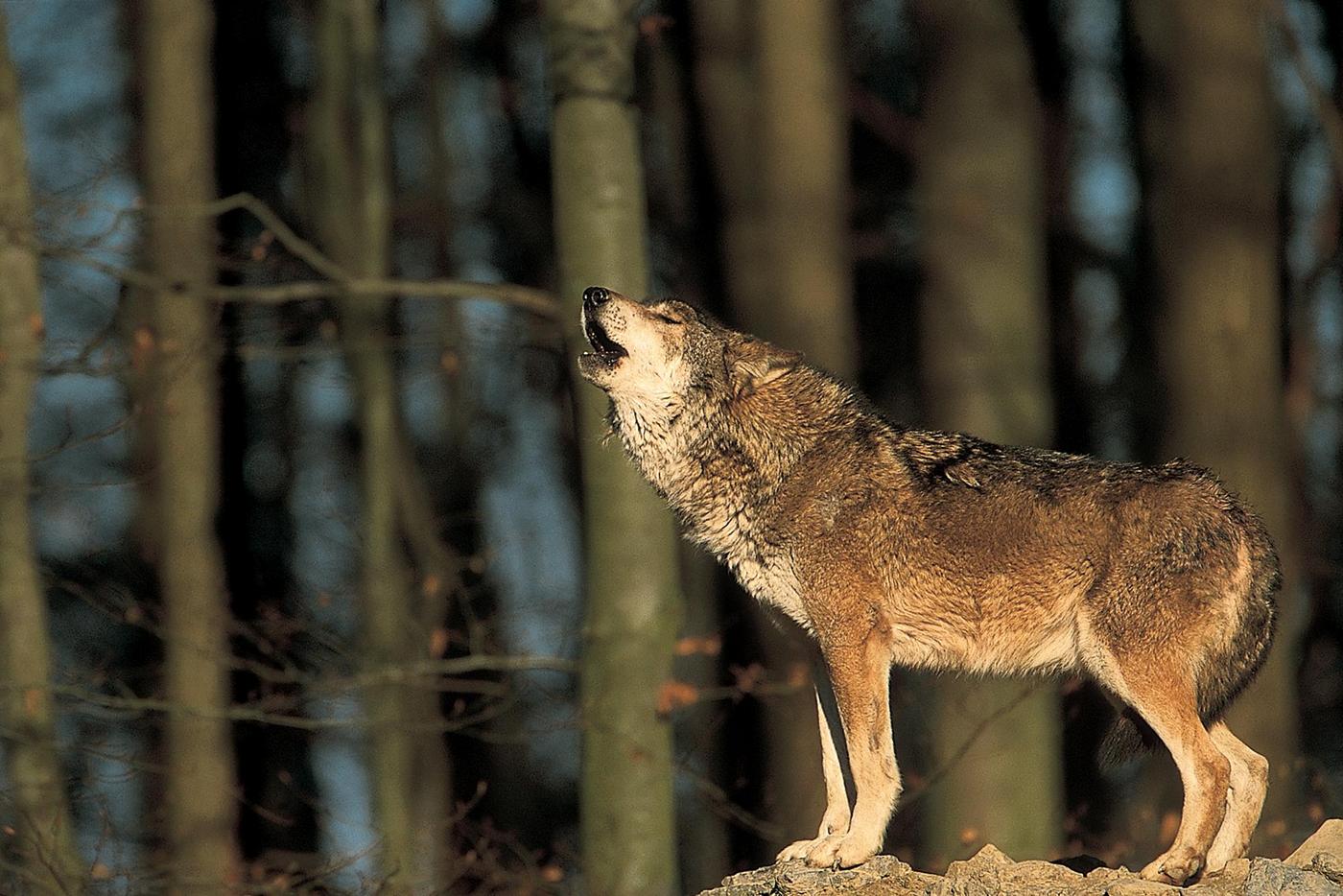
You rarely see wolves. But whoever looks closely finds their traces everywhere. The forests of the Balkans have been their home for generations, and that’s how it should stay.
Despite this deep-rooted presence, tensions regularly flare up in the Balkans, too. The loss of livestock to wolf kills, inconsistent legislation and a lack of reliable population figures make it difficult for humans and wolves to coexist. “Many wolf population estimates have so far been based on hunting statistics – but hunting data alone is not enough,” emphasises Dragomirović.
In the absence of reliable figures, the potential for conflict increases, especially in a politically complex state like Bosnia and Herzegovina with its divergent administrative units and responsibilities. Without dependable data, it is difficult to implement appropriate livestock protection measures in a targeted manner. Standardised programmes for monitoring and livestock protection are virtually non-existent to date as monitoring is expensive and requires long-term resources, explains Dragomirović.
In March 2026, the German Bundestag decided to include the wolf in the Federal Hunting Act. Wolves killing livestock or overcoming protection measures may be culled in accordance with the law. At the same time, Germany came out in favour of downgrading the status of wolf protection from “strictly protected” to “protected” under the Bern Convention, one of Europe’s most important nature conservation agreements. Bosnia and Herzegovina voted against this change.
For EuroNatur project manager Antje Henkelmann, one thing is clear: „Now more than ever, we must defend Europe’s conservation achievements, demand fact-based decisions and encourage Bosnia and Herzegovina to maintain its positive stance towards wolves.“
Against this backdrop, EuroNatur and CZZS have launched a pilot scheme with two key objectives: to establish a continuous, scientifically sound monitoring – and at the same time to provide practical support for livestock farmers.
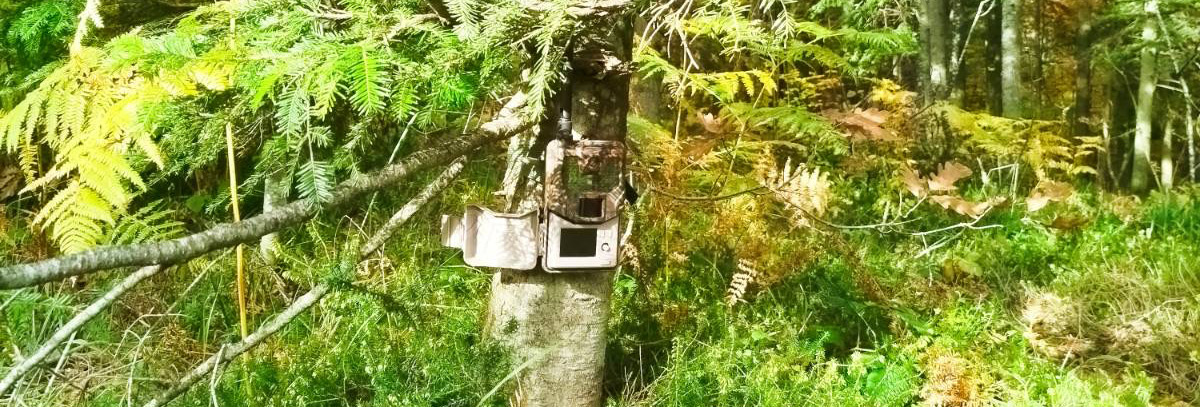
Camera traps, trace detection and genetic analysis help, for example, to avoid double counting and to assess current population trends realistically. A solid data foundation provides the footing for a fact-based debate and enables appropriate measures to be taken.
A fragmented legal framework for wolf protection
The fragmented legislation in Bosnia and Herzegovina makes wolf conservation difficult: the country consists of two entities – the Republika Srpska and the Federation of Bosnia and Herzegovina – each with different regulations. In the Republika Srpska, wolves may be hunted all year round, whereas in the Federation some protection exists. There is no uniform nationwide protection, and the legal situation is complex. It varies from region to region. Without full harmonisation with international standards, the legal situation remains unclear. There is also a lack of a reliable data-based foundation – independent, scientifically sound monitoring initiatives are therefore particularly important.
Local knowledge is key
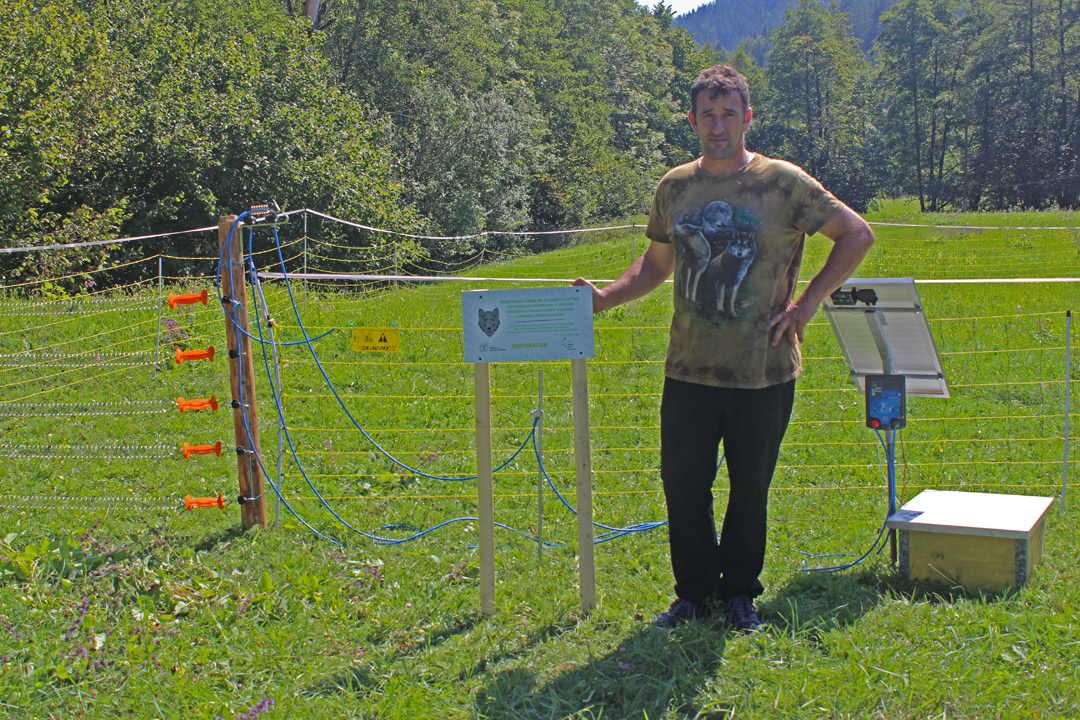
Slađan Pendić is setting up an electric fence in one of the pilot regions. At around 650 euros per fence, wolf kills can be effectively reduced. Farmers of grazing livestock are directly involved from the outset.
The pilot regions were carefully selected: areas with a confirmed wolf population and committed local stakeholders – hunters, foresters or area managers – who are willing to help with the monitoring. “Local knowledge plays a key role,” explains Dragomirović. “Local people know where the wolves are and where camera traps can be placed effectively.”
Based on this local knowledge, practical protective measures are being implemented at the same time. Electric fences are being provided and local stakeholders are directly involved in the implementation. Anđelko Dević, a sheperd from Travnik, a region where wolves are very common, also reports: “We have suffered damages caused by wolves and bears on several occasions. The electric fence will be a great help to us.”
Despite existing challenges such as habitat loss, poaching and human-wildlife conflicts, many of those involved are taking a pragmatic approach. The aim is not to eradicate the species, but to find workable solutions.
EuroNatur supports this route and provides backing to enable Bosnia and Herzegovina to become a positive example of peaceful coexistence of humans and wolves – based on facts, grounded in practical experience and in collaboration with local communities.
People want practical solutions for living alongside wolves, not their extermination.
Aleksandra Anja Dragomirović from the Center for Environment (CZZS)
Give wolf protection a boost
The pilot scheme demonstrates how monitoring and practical livestock protection measures can be established on the ground. Local stakeholders are actively involved in gathering data and implementing protective measures for their livestock. With your help, we can further strengthen this commitment. Monitoring will be expanded, participants trained and sheperd families supported in protecting their animals.
At a time when the status of wolf protection is being debated across Europe, local people need support more than ever. EuroNatur and CZZS are determined to continue advancing wolf protection in Bosnia and Herzegovina in collaboration with local partners.
This year’s measures are an important step towards permanently ensuring the protection efforts in place to date. Your support helps to continue this work and to make concrete conservation measures possible on the ground.
Building on previous successes, future initiatives will among other things:
extend monitoring activities to further selected regions in Bosnia and Herzegovina.
set up a centralised national database.
continue to promote the installation of protective fences – this can be achieved at a cost of around 650 euros per fence.
Use this giro code to donate directly to EuroNatur with your banking app.
If you would like to help in the long term, become a wolf sponsor! At 10 euros per month, your yearly fee costs just 33 cents a day – enough to make a lasting contribution to the protection of wolves and their habitats in Europe. Wolf sponsors receive a certificate, regular issues of the EuroNatur magazine and a donation receipt after the end of each year. You can cancel your sponsorship anytime with immediate effect and without notice.