


On World Migratory Bird Day, Tour du Valat, EuroNatur and BirdLife International are raising the alarm over the scale of illegal killing and trapping of migratory birds across the Mediterranean. The three organisations for the protection of birds are urging governments to accelerate implementation of their commitments to reduce these practices by at least half by 2030.
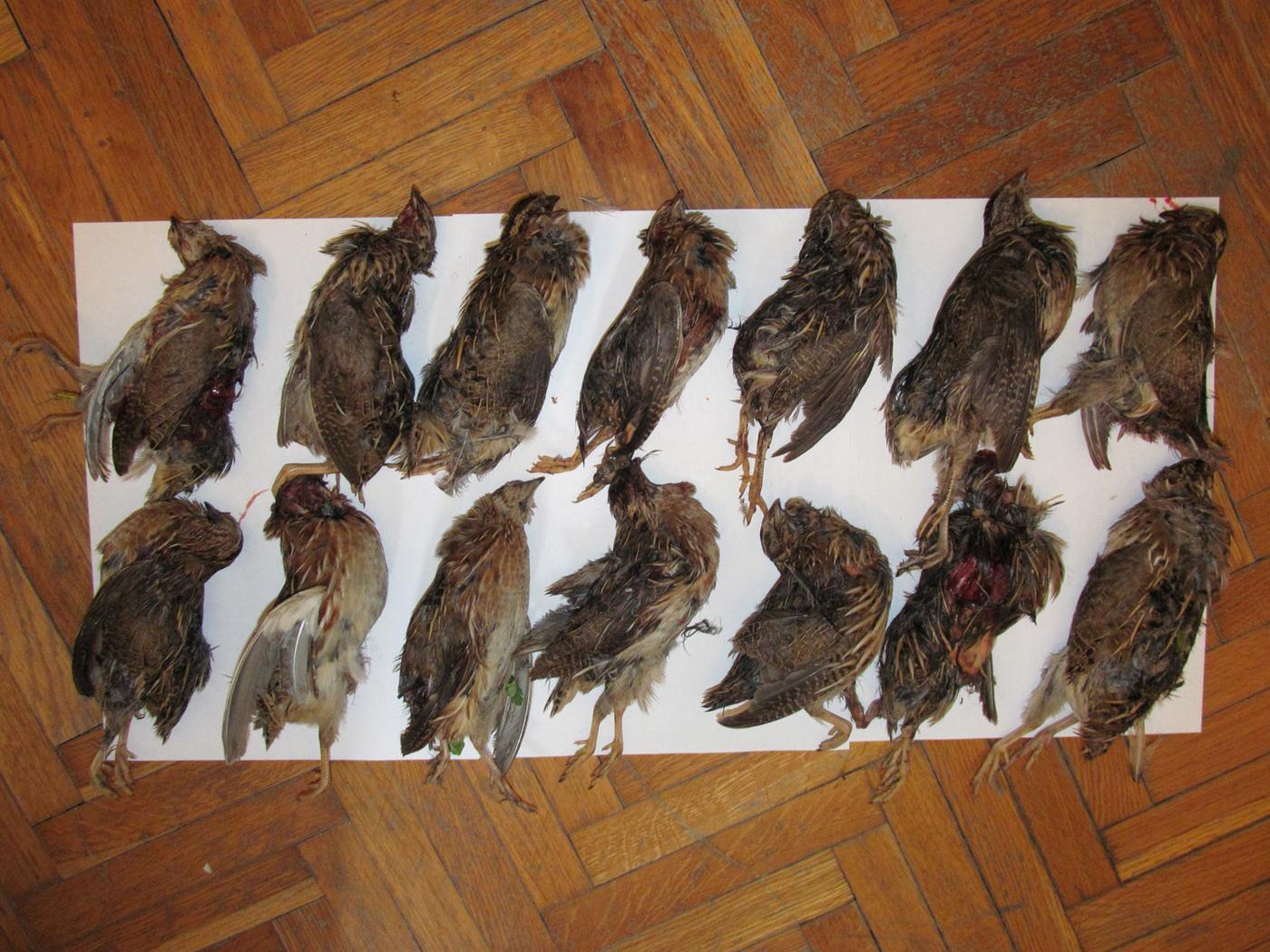
Poached quails in Serbia
© Milan Ružić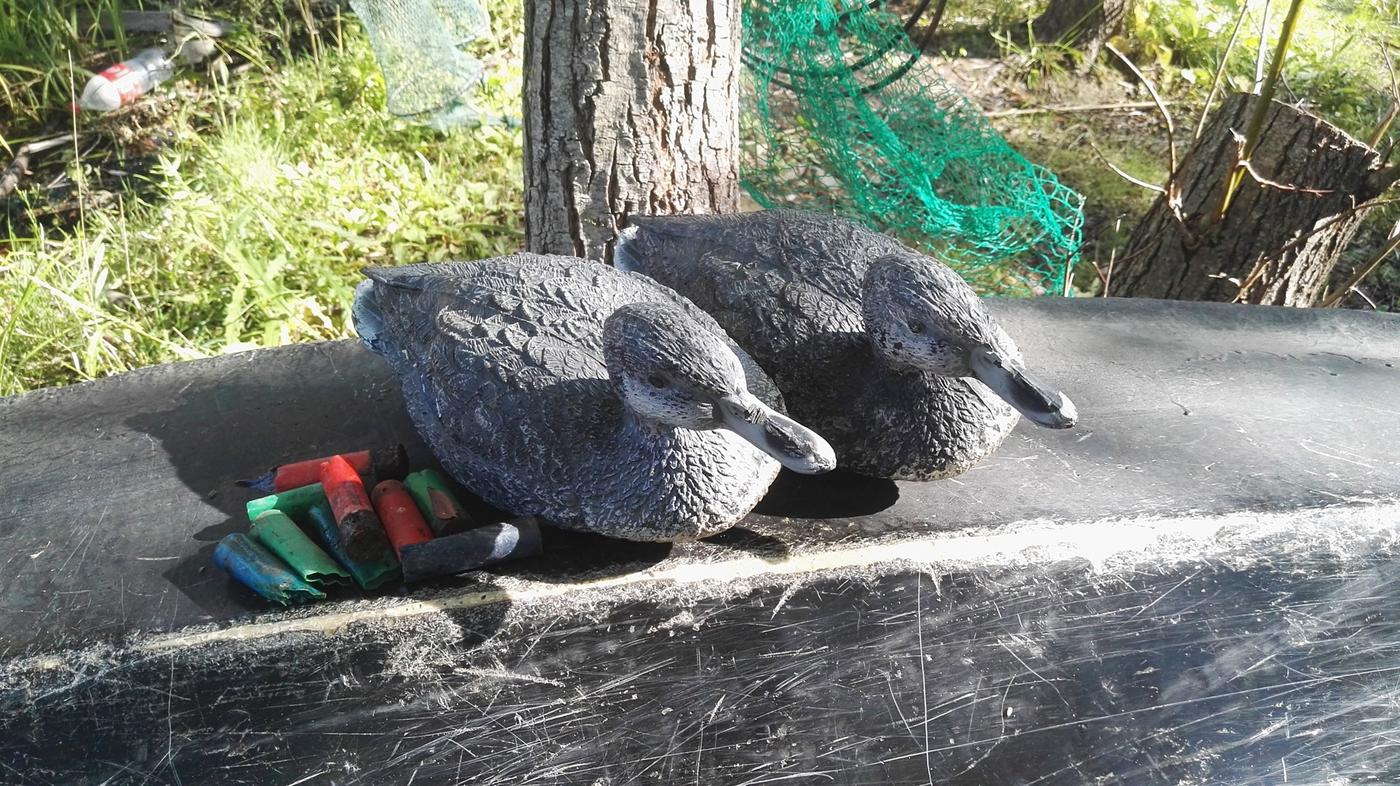
Decoy ducks are used to lure waterfowl down to land.
© Biom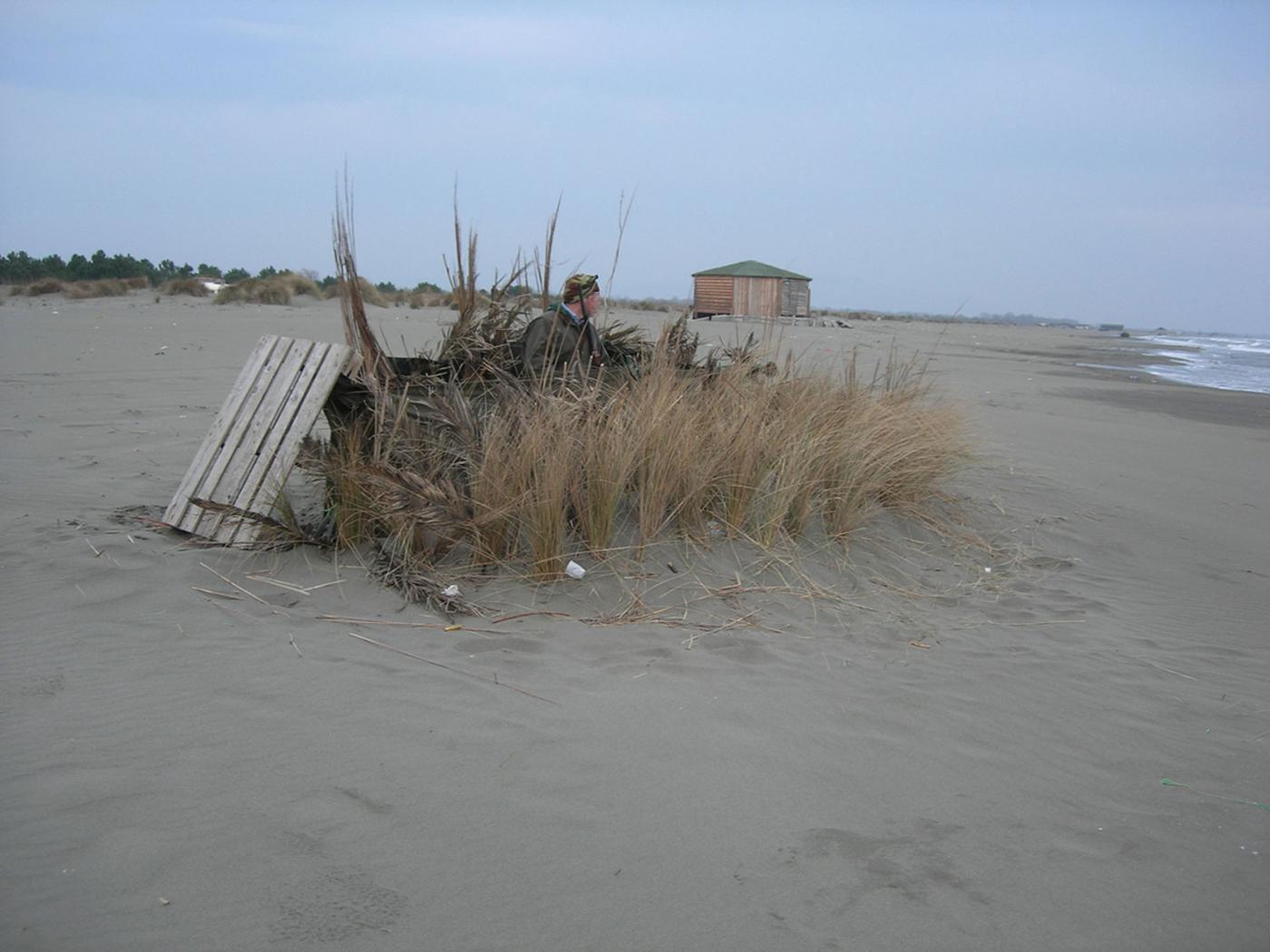
In a hunting hide, bird hunters wait for birds to land, as here in Montenegro.
© Martin Schneider-Jacoby/EuroNaturRadolfzell. Born in a woodland in northern Germany and weighing barely a few dozen grams, young European Goldfinches are preparing to embark on a journey of several thousand kilometres to spend the winter in the southern Mediterranean. Their route is fraught with danger: migratory stopover sites are disappearing as a result of urbanisation and wildfires intensified by climate change, leaving them fewer places to rest and exposing them to exhaustion and predators. But it is another danger that will end the journey for many of these birds: trapped for their song and striking plumage, those that survive the trafficking trade are sold illegally, often ending their days in a cage in Marseille or elsewhere around the Mediterranean basin.
"Every year, an estimated 11 to 36 million migratory birds are killed or captured illegally across the Mediterranean.” said Barend Van Gemerden, Head of Global Flyways at BirdLife International. “That's why countries in the region have committed to reducing illegal killing and trapping by at least 50% by 2030, under the Rome Strategic Plan of the Convention on the Conservation of Migratory Species and the Bern Convention. Now it's time to turn that commitment into action."
NGOs sound the alarm over the lack of progress across the Mediterranean
Progress remains far from sufficient. The Illegal Killing of Birds (IKB-3.0) report, published by BirdLife International and EuroNatur in May 2025, paints an alarming picture:
"Halfway through the implementation of the Rome Strategic Plan, 83% of the 46 countries assessed have not put in place the measures needed to meet the targets," said Dr. Justine Vansynghel, Project Manager Migratory Birds at EuroNatur. "This gap is deeply concerning, and it shows just how much work remains to be done if governments are serious about honouring their commitments."
Meanwhile, after four years of monitoring across eight countries in the Mediterranean basin, the Mediterranean Waterbird Network (MWN), confirms the persistence and diversity of threats facing migratory birds, including unregulated shooting, trapping and lead pollution.
Solutions must be tailored to local realities
MWN monitoring reveals a mixed picture across different territories. To be effective, responses must reflect the specific realities and challenges of each country.
“This is the first time we have produced harmonised data on this issue,” says Laura Dami, Coordinator of the Mediterranean Waterbird Network. “At Mediterranean scale, these data highlight how much remains to be done, but they allow local organisations to develop country-specific recommendations to comply with their international commitments.”
There is reason for hope: in most of the countries concerned, partners of BirdLife, EuroNatur and MWN are already actively working to combat illegal killing and trapping. MWN organisations are developing recommendations for each of the eight countries involved in the monitoring programme. Three key levers for action stand out:
- closing legal loopholes
- securing sustainable funding to strengthen scientific monitoring and public awareness
- improving cooperation between public authorities, hunters and conservation organisations.
These measures are essential to turn international commitments into tangible results on the ground.
EuroNatur, Tour du Valat and BirdLife International call on governments to accelerate the fight against IKB, in accordance with their countries’ international obligations by working with all relevant stakeholders to advance the development, funding, and implementation of national action plans. Migratory birds cross multiple countries throughout their life cycle, making coordinated action essential. Progress in one country will only be effective if similar measures are implemented across the entire flyway.
Note to editors :
- Learn more about illegal killing of birds in the Balkans here.
- About MWN: Founded in 2012, the Mediterranean Waterbirds Network (MWN) brings together a range of partners (local and international NGOs, universities, government bodies, etc.) involved in the monitoring and protection of waterbirds and wetlands in the Mediterranean region, with the aim of strengthening waterbird monitoring and wetland conservation. It initially developed in collaboration with five North African countries (Morocco, Algeria, Tunisia, Libya and Egypt), in partnership with the Tour du Valat and the French Office for Biodiversity (OFB), aiming to improve both the quantity and quality of this monitoring.
- Tour du Valat is a research institute dedicated to the conservation of Mediterranean wetlands, based in the Camargue (France), and operating as a private foundation recognised as public utility. Founded in 1954 by Luc Hoffmann, Tour du Valat has since developed its research activities with one constant aim: to better understand wetland habitats as they are the planet’s most productive and most threatened ecosystems.
Select on which of your areas of interest you would like to receive our press releases.
You can subscribe to our RSS feeds to receive all the news on the topics of your choice.