LIFE, the European Union’s funding programme for environmental, nature and climate protection, is the backbone of European nature conservation. Yet it is under attack, particularly from conservative and right-wing populist forces within the EU.
Backbone of European nature conservation severely threatened
For more than three decades, the LIFE programme of the European Union has been the driving force behind practical nature conservation in Europe. No other European instrument has contributed so much to rewetting bogland, rewilding rivers, safeguarding endangered species and supporting local communities in preparing for the consequences of the climate crisis. To date, LIFE has enabled more than 6,000 projects across Europe – with each one demonstrating how ambitious nature conservation policy is being put into practice on the ground.
LIFE is the European Union’s funding programme for environmental protection, nature conservation and climate action. It has been promoting biodiversity since 1992 – for example, through the pan-European Natura 2000 Network – and fosters innovative solutions for climate adaptation. Its budget of just over 5.4 billion euros (2021–2027) is surprisingly small and reveals a lot about the European Union’s priorities regarding nature and environmental conservation: less than 0.3 percent of the EU budget goes towards Europe’s most effective environmental protection tool.
Why is LIFE so important? Because it addresses the very places where nature is under pressure: our floodplains and bogs, agricultural land and forests, marine areas and mountain ranges. LIFE has set standards across Europe and proven its added value by strengthening cross-border collaboration in areas where national programmes often have limited scope for action. Especially at EuroNatur, where we actively pursue exactly this transnational aspect of nature conservation, we have been able to implement important projects with our partners in diverse European countries thanks to LIFE.
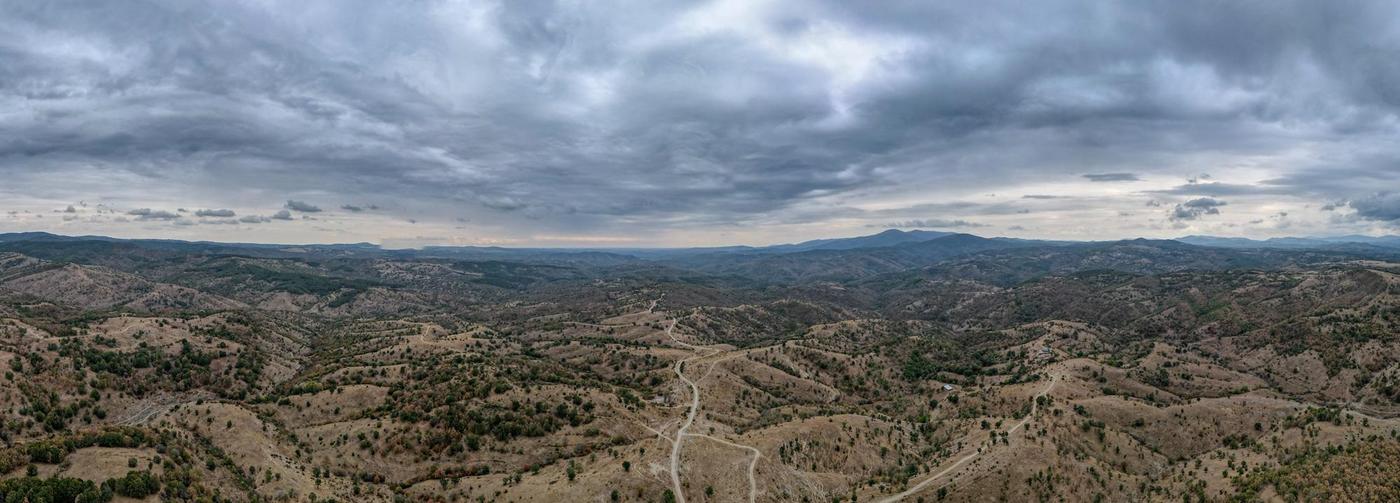
Dark clouds cover the sky (in the Serbian-Bulgarian border region): a symbolic image of the LIFE programme, which is coming under heavy pressure.
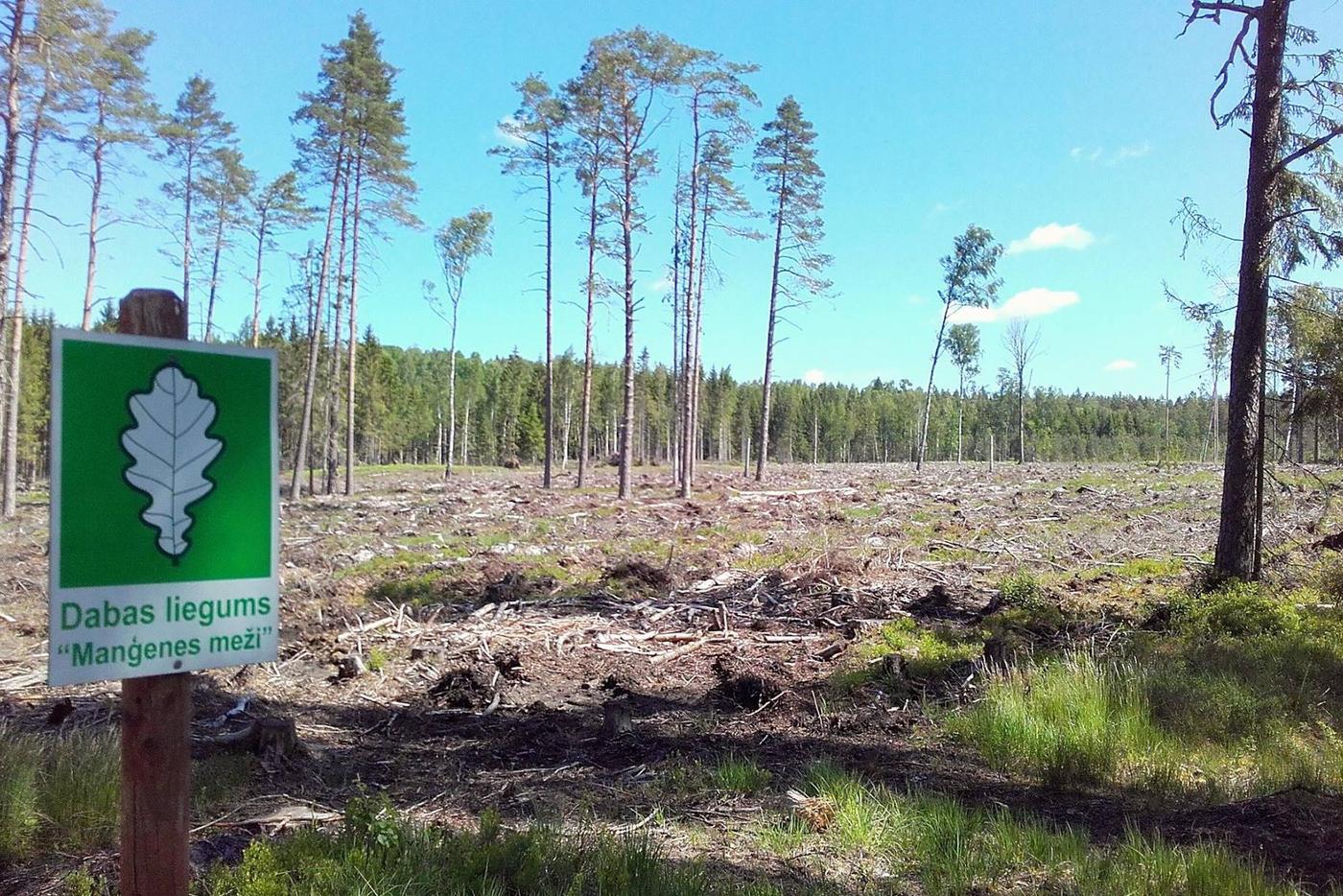
Europe’s forests are in a worse state than perhaps ever before. Yet forests are just one of many areas where European nature conservation policy is falling short.
This makes the political pressure recently put on the environmental protection and nature conservation programme all the more alarming. In the upcoming EU financial framework from 2028 onwards, LIFE is called into question. The European Commission has proposed dissolving LIFE and integrating the topics climate action and biodiversity into two different, larger funding schemes including many aspects – without a specific budget, purpose or mandate and without multiannual programming.
What does that mean? Nature conservation and climate action would lose their clear institutional foundation and, in future, compete with numerous other policy objectives for attention and means within two very large funds. Without a dedicated budget line, long-term conservation and rewilding projects in particular risk losing their continuity or being scrapped altogether. Especially measures targeted at preserving biodiversity, protecting endangered species and strengthening resilient ecosystems would be undermined, although they are crucial to counteracting species extinction and mitigating the effects of the climate crisis.
This precisely shows that we need more nature conservation right now, not less. More than 80 per cent of habitats within the European Union are in a poor condition, extreme weather events are on the rise, species are disappearing at a rapid pace. LIFE offers approaches to all these challenges.
LIFE is more than just a line in the EU budget. It is the beating heart of a vibrant European nature conservation policy. And this heart must not be allowed to stand still.
Tess Hartmann-Hergott, EuroNatur EU Policy Officer – Biodiversity Funding
Resistance is growing
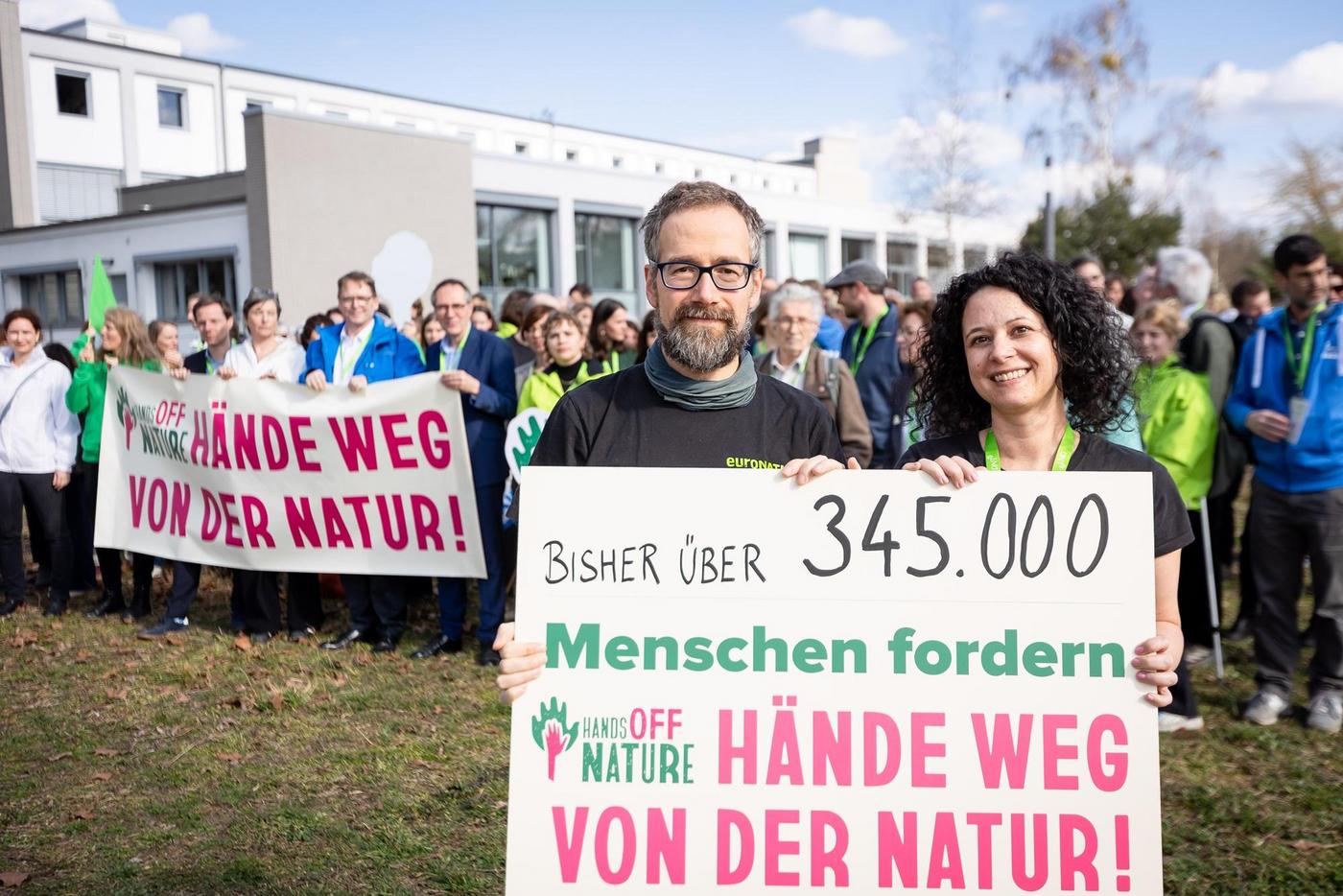
As part of German Nature Conservation Day in Berlin (10–14 March 2026), several nature conservation organisations have spoken out against the European Commission’s plans. Leonie Kraut and Christian Stielow from EuroNatur are also calling for: “Hands off nature!”
In opposition to the plans of the European Commission, however, a broad alliance is forming: more than 820 European organisations and associations – including EuroNatur –, local communities and universities are calling for the programme to be continued as a standalone instrument. They are warning against “serious damage to Europe’s ability to protect nature and make communities fit for climate change.”
If LIFE would be phased out, Europe would not only lose a crucial funding instrument; it would lose its practical means of effectively embedding nature conservation in people’s everyday lives. It would lose the programme that restores water to bogs, liberates rivers from their concrete corsets, makes forests more resilient, protects rare species and helps local communities cope with heatwaves, droughts and floods. Europe would lose its vision of a sustainable continent and its international credibility at the forefront of nature conservation and climate action. This must not be allowed to happen.
Take action!
Together with a broad coalition of other nature conservation and environmental organisations, we are calling on Europe’s politicians to defend and refine existing nature conservation laws rather than undermine them. Please sign the petition to protect Europe’s nature and help ensure the success of the EU-wide “Hands Off Nature” alliance: handsoffnature.eu
As diverse as Europe’s nature: LIFE projects involving EuroNatur
Whether vultures, lynx or Europe’s rarest songbird: EuroNatur has been engaged in the past and continues to be involved in numerous LIFE projects. This spread presents a selection of successful EU-funded species conservation projects.
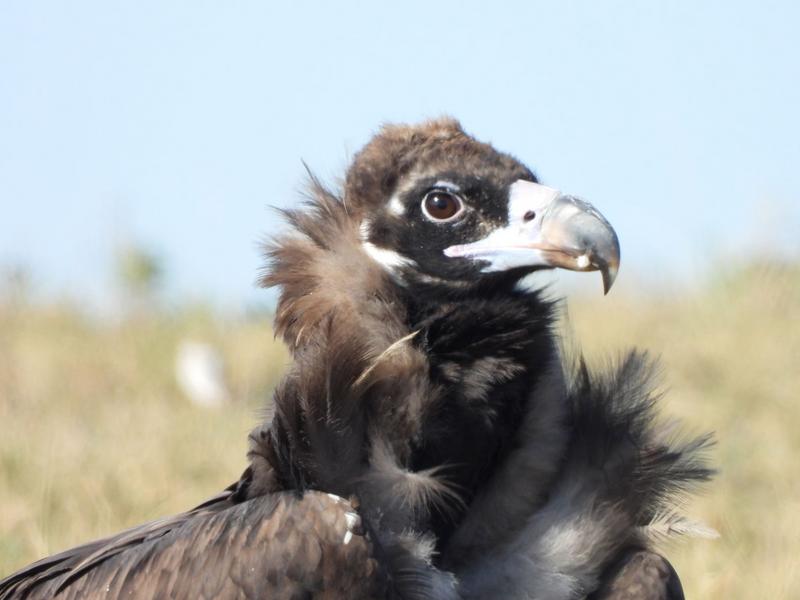
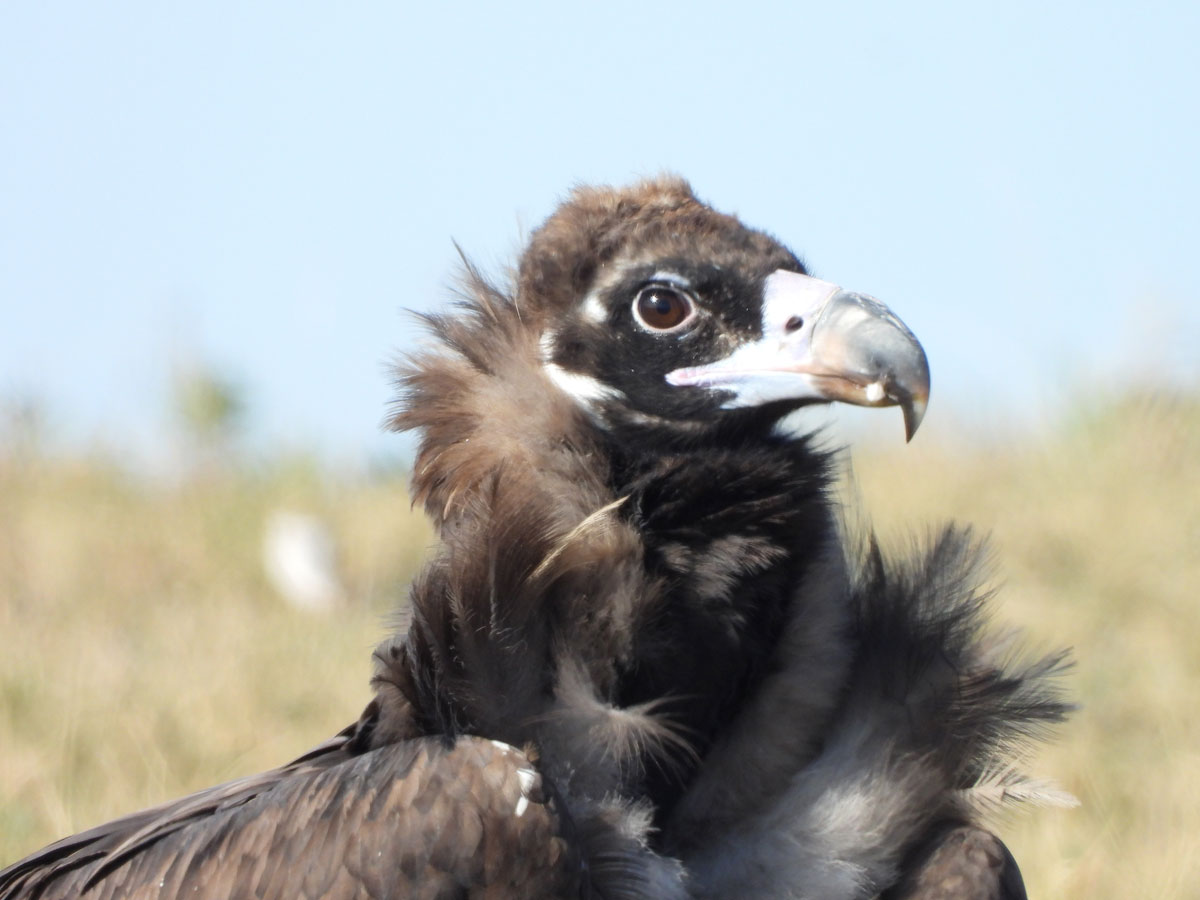
After seven years and in collaboration with our partners, we have successfully completed a LIFE project for the reintroduction of Eurasian black vultures in the Balkan Mountains of Bulgaria in 2022. EuroNatur has particularly contributed to this species conservation programme with expertise in natural regional development in the Balkans. Since 2015, the project “Vultures Back to LIFE” had been working towards the reestablishment of Europe’s largest vulture. Although the programme’s geographical scope was relatively limited, international collaboration also played an important part. Juvenile birds rescued in Spain or bred in zoos across Europe were released into the wild in the mountain ranges of the Balkan Mountains, where the species had vanished in the 1980s due to poisoned bait, lack of food and habitat loss. Today, bird-secure power lines, feeding sites and protected nesting trees provide the basis for a long-term survival of black vultures in Bulgaria, whose numbers continue to rise. Despite the positive trend, risks posed by illegal poisoned bait remain. The project marked the start of further vulture reintroduction projects on the Balkan peninsula, with the aim of connecting and stabilising vulture populations from the Iberian Peninsula to Crimea.
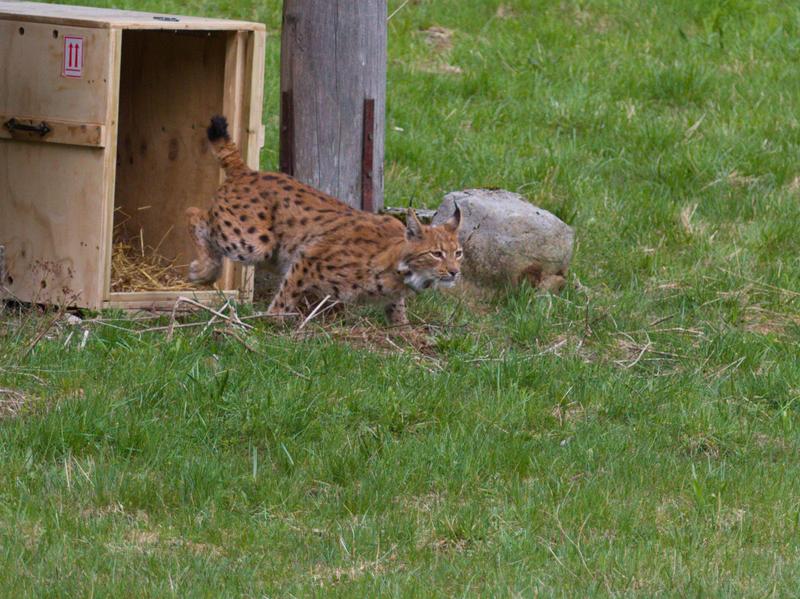
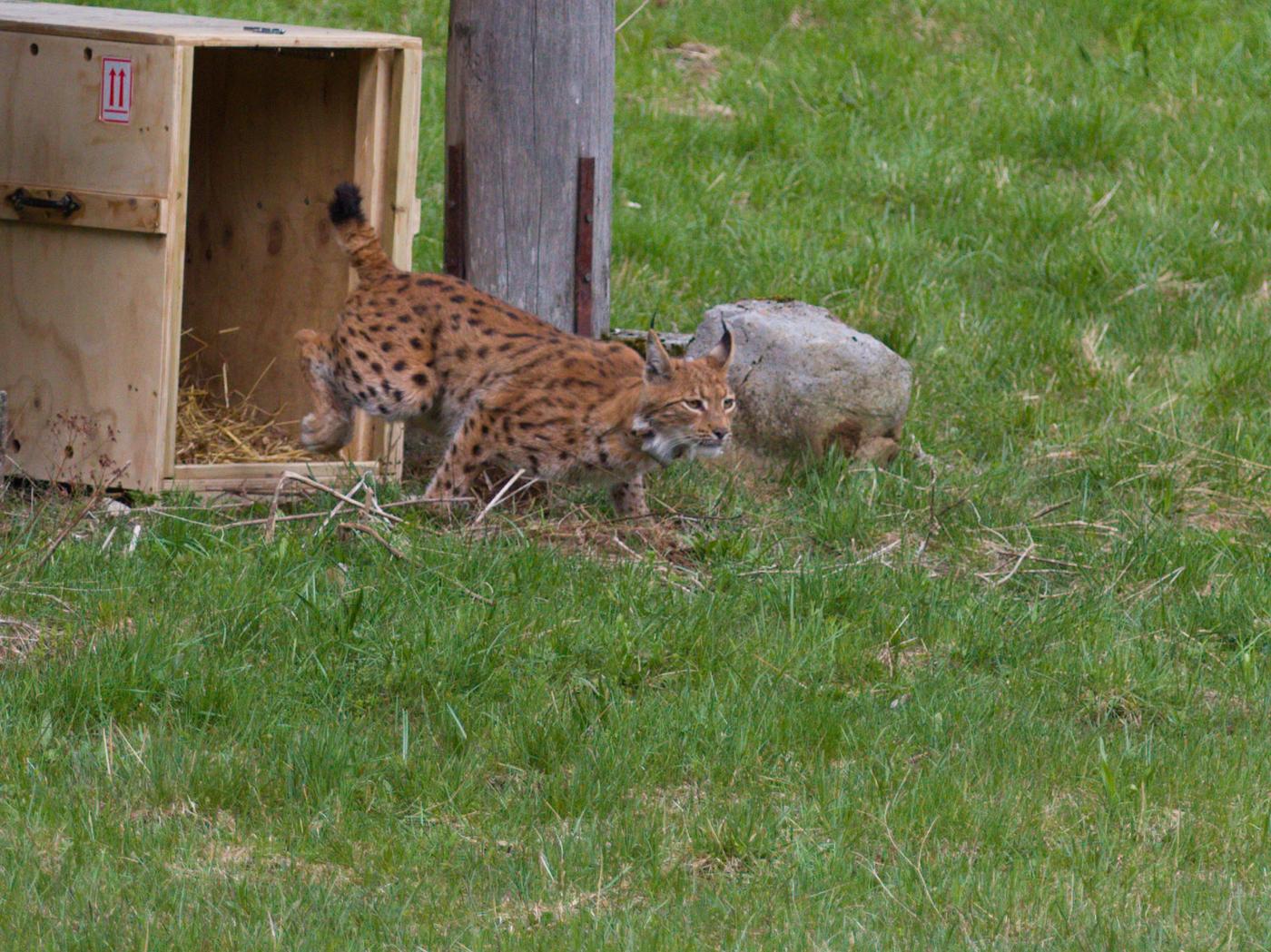
At the end of the 19th century, lynx vanished from large parts of their European range – eradicated by hunting, habitat loss and the decline of their prey. In the Dinarides, a successful reintroduction in the 1970s first gave rise to cautious optimism. This was short-lived, however: the small, isolated population increasingly suffered from inbreeding. Genetic diversity in the Dinaric lynx population declined dramatically and a second extinction was looming dangerously close. To prevent this, a scheme was launched in 2017 which is now regarded as one of Europe’s most successful species conservation projects: “LIFE Lynx.” The project had a clear objective: to save the critically endangered lynx population in the Dinaric Alps through targeted genetic revitalisation and long-term conservation strategies.
To this end, lynx from stable source populations in the Carpathians were relocated to Slovenia and Croatia. The measure was accompanied by comprehensive monitoring by means of camera traps, telemetry and genetic analyses. Close collaboration with hunters and foresters as well as with local communities and schools to foster acceptance and prevent conflicts was crucial for the success of LIFE Lynx. Today, 120 to 130 lynx are roaming the Dinarides again and an important step has been taken towards connecting them with the population in the Alps.
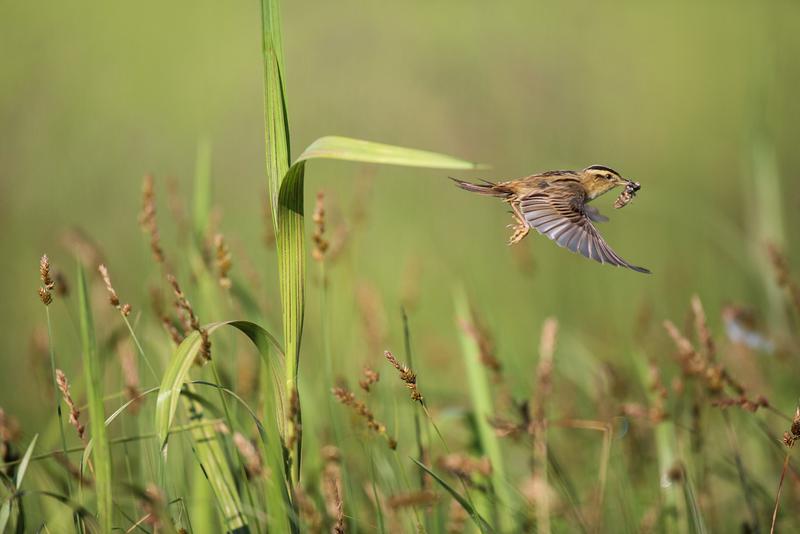
Aquatic warblers are Europe’s rarest songbird – their once common singing in the sedge marshes of Eastern Europe is in danger of falling silent. Due to intensive use and drainage, the wetlands on which they depend have been disappearing for decades. The project “LIFE4AquaticWarbler” running from 2024 to 2033 aims to reverse this trend. In five countries – from Lithuania to Poland and Ukraine to Hungary and Germany – around 4,000 hectares of bog and meadow habitats are being rewetted and cleared of scrub, thus ensuring their long-term preservation. Additionally, numerous juvenile birds are to be specifically relocated to revitalised areas to reclaim former breeding grounds.
This LIFE project to save aquatic warblers protects far more than just a small brown bird: quite a number of other animal and plant species benefit from the conservation measures. Moreover, rewetted bogs store enormous amounts of carbon – an important contribution to combating the climate crisis. Together with the sister project “LIFE AWOM,” which is restoring resting places along the aquatic warblers’ migratory route, a transnational network of protected areas for aquatic warblers is emerging.
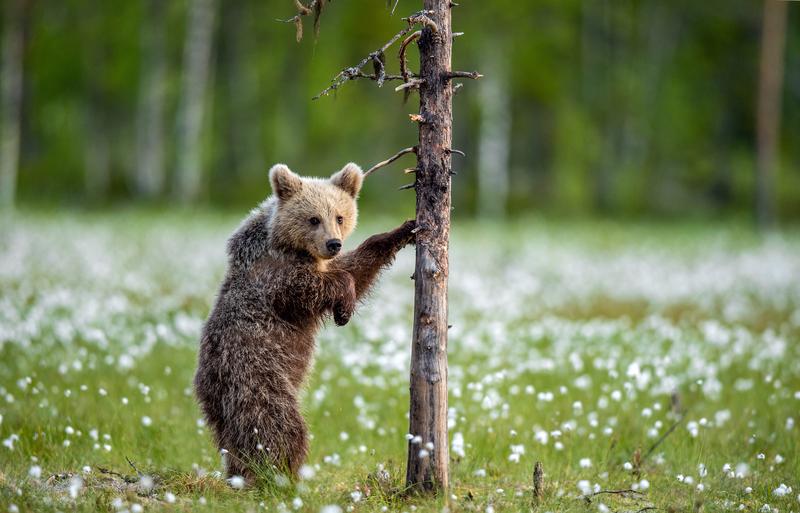
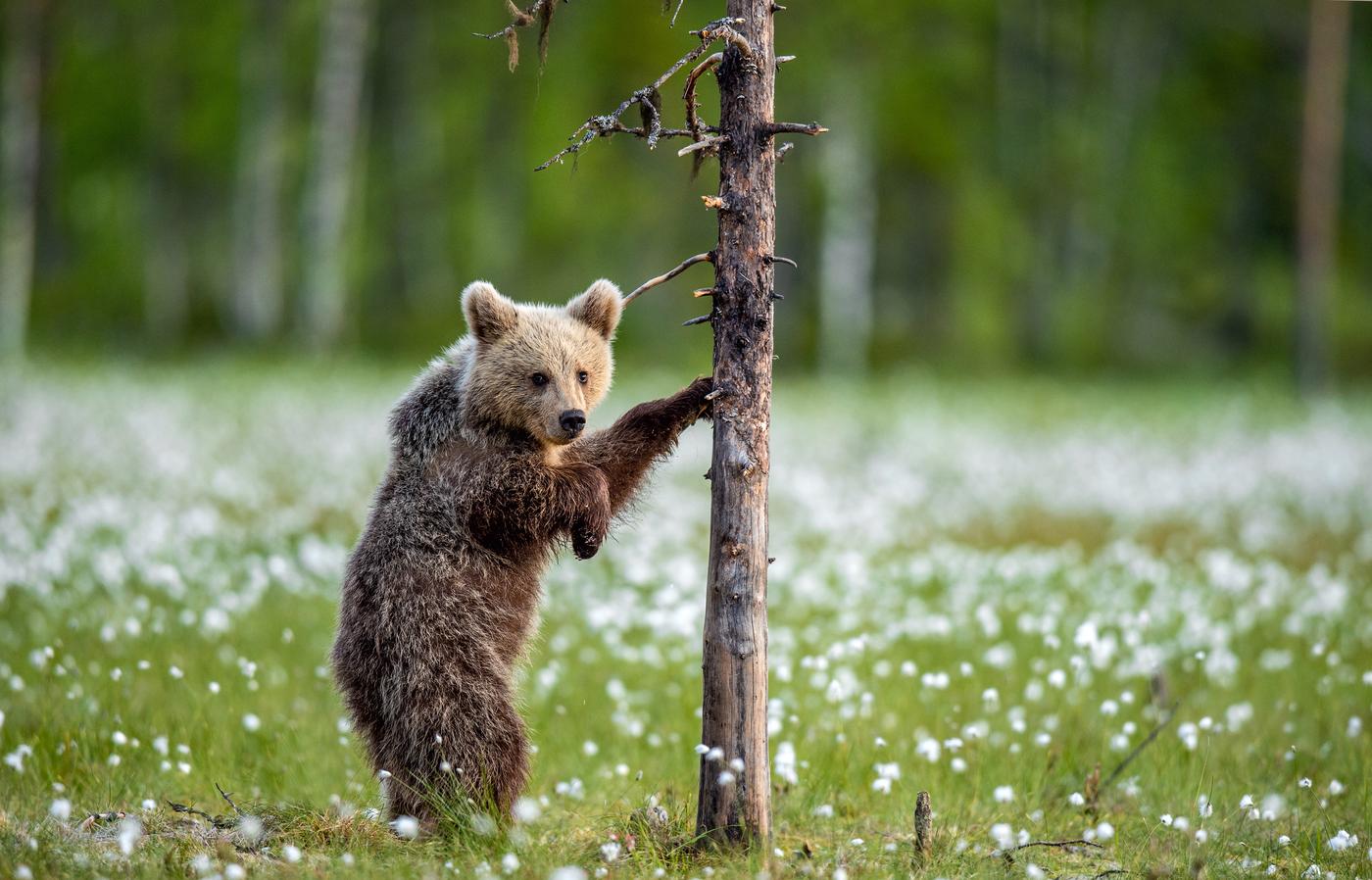
Brown bears are among the most impressive wildlife in Europe – and yet their habitat has been fragmented, overused or downright destroyed for decades. The Dinarides-Pindos region in the Western Balkans is home to one of Europe’s last remaining large bear populations: here, around 4,000 animals need refuges, sufficient food and undisturbed migration routes. To ensure these conditions in the long run, a new, ambitious nature conservation project has been launched this year, in 2026: “LIFE DinPin Bear.”
Coordinated by EuroNatur, the project brings together 20 NGOs and government agencies from nine Balkan countries. Their shared goal: to safeguard the future of brown bears across borders – scientifically grounded, politically aligned and rooted in local communities. To this end, bear populations are systematically monitored, key connecting routes are mapped and measures are developed to halt further habitat fragmentation.
A main focus of this LIFE project is the peaceful coexistence of humans and bears. Special response teams, prevention programmes and the development of so-called “Bear Smart Communities” are intended to significantly reduce existing conflicts and prevent future ones. At the same time, the project is collaborating closely with public authorities, research institutions and local communities to modernise management plans and strengthen transnational strategies. With this broad-based approach, “LIFE DinPin Bear” aims to provide decisive momentum for bear conservation in Europe over the next five years.