Twenty years ago, a small team of lynx conservationists began their work in Southeast Europe. The Balkan Lynx Recovery Program was launched. Since then, these dedicated men and women have achieved a great deal, but the Balkan lynx remains critically endangered.
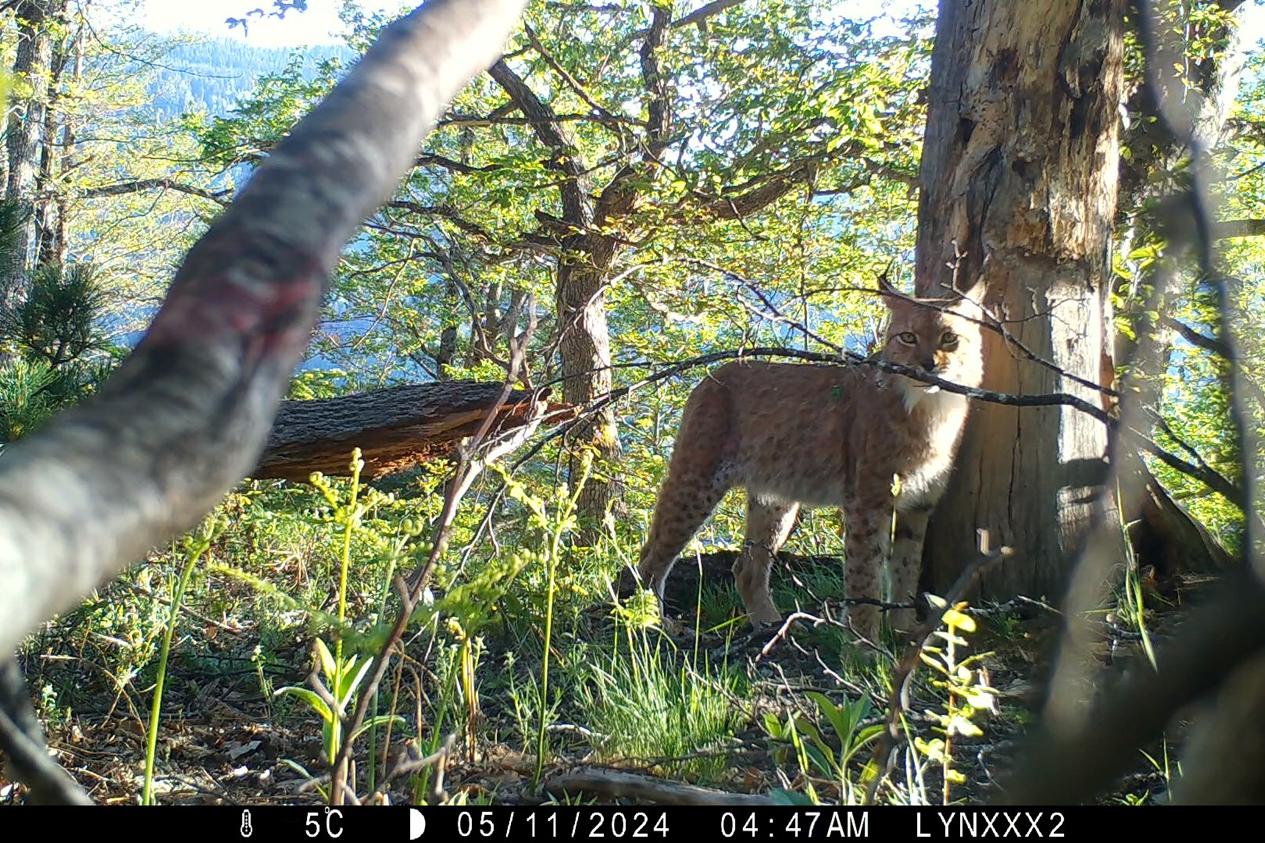
A rare sight: a Balkan lynx has been caught on a camera trap.
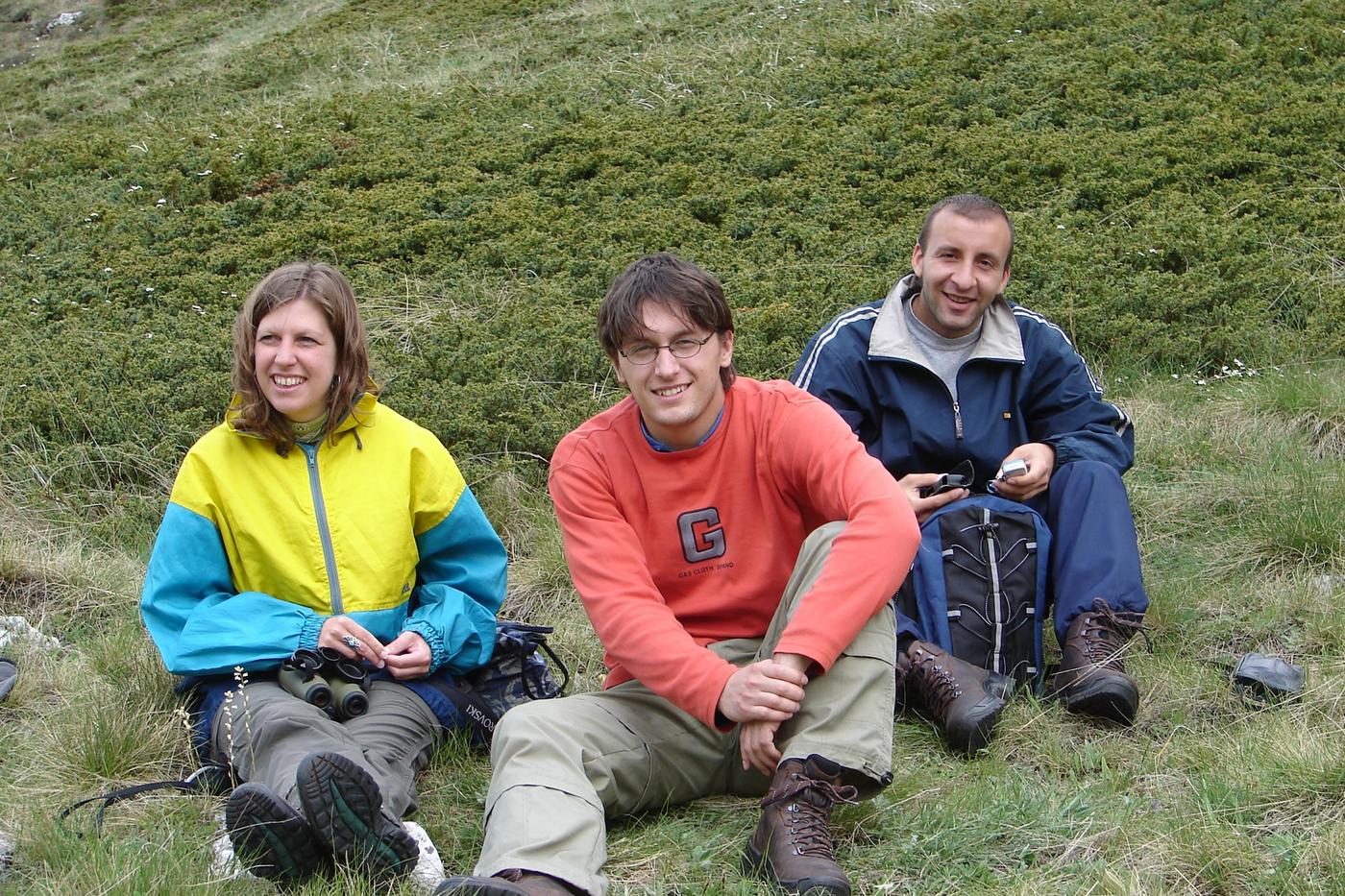
Pioneers of the BLRP: Manuela von Arx (KORA Foundation), Dime Melovski and Aleksandar Stojanov (MES) in 2006, the year the programme was founded. Many of the people who launched the programme back then remain committed to the conservation of the Balkan lynx to this day.
Twenty years ago, the Balkan lynx was like a ghost. Whilst it was known that this rare subspecies of the Eurasian lynx lived in the forests of the Balkans, virtually nothing was known about its ecology. Sightings were rare, and scientific data was virtually non-existent. When researchers and conservationists began systematically searching for this elusive predator, their worst fears were confirmed: according to estimates, fewer than 50 animals remained in the wild.
In light of this alarming situation, the national nature conservation organisations within the range of the Balkan lynx joined forces with international partners. In 2006, they founded the Balkan Lynx Recovery Programme (BLRP). Today, twenty years later, the programme is still working to ensure the survival of one of Europe’s rarest cats – in some cases with the very same people who have been involved right from the beginning.
What has the BLRP achieved in two decades?
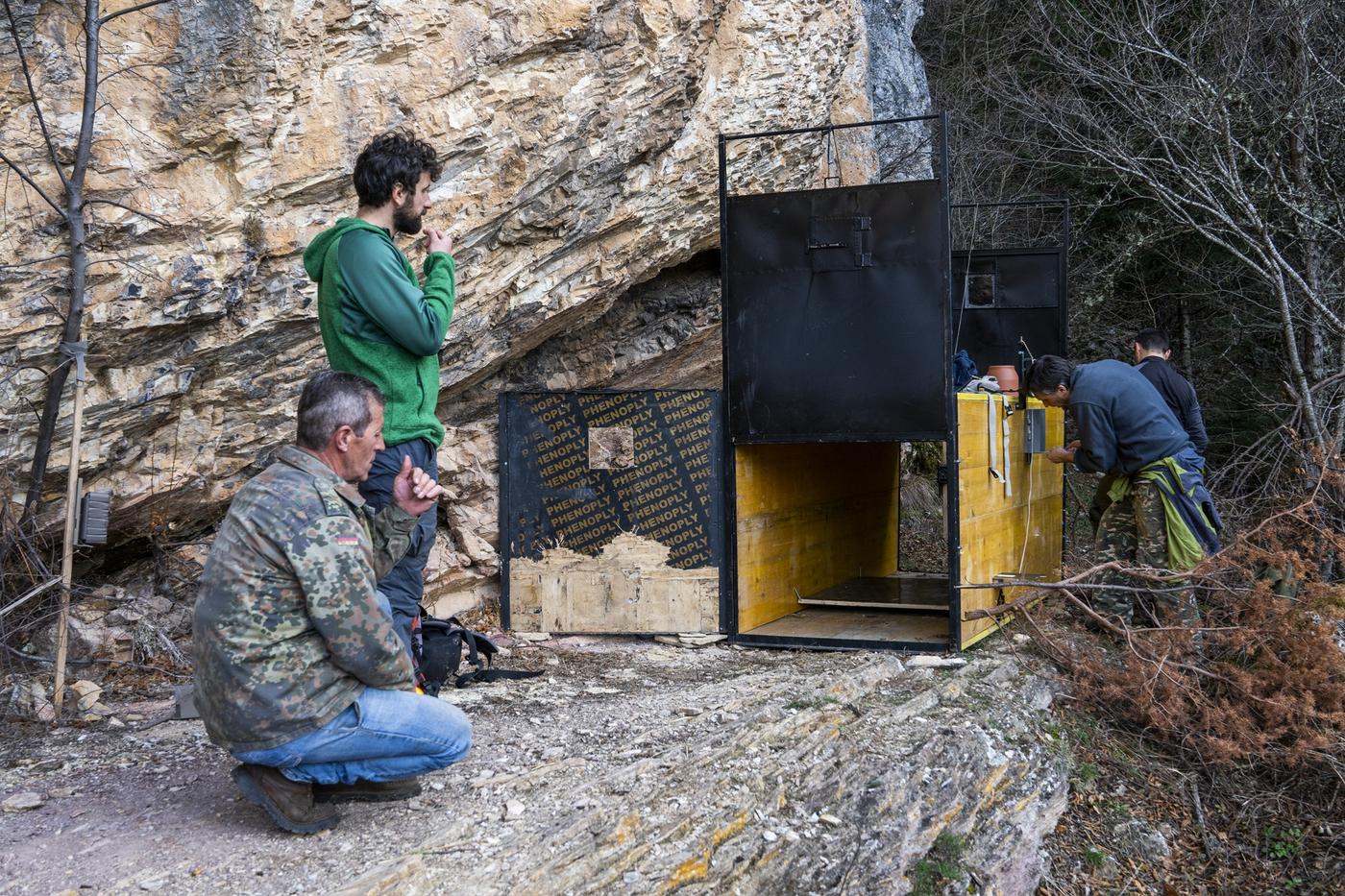
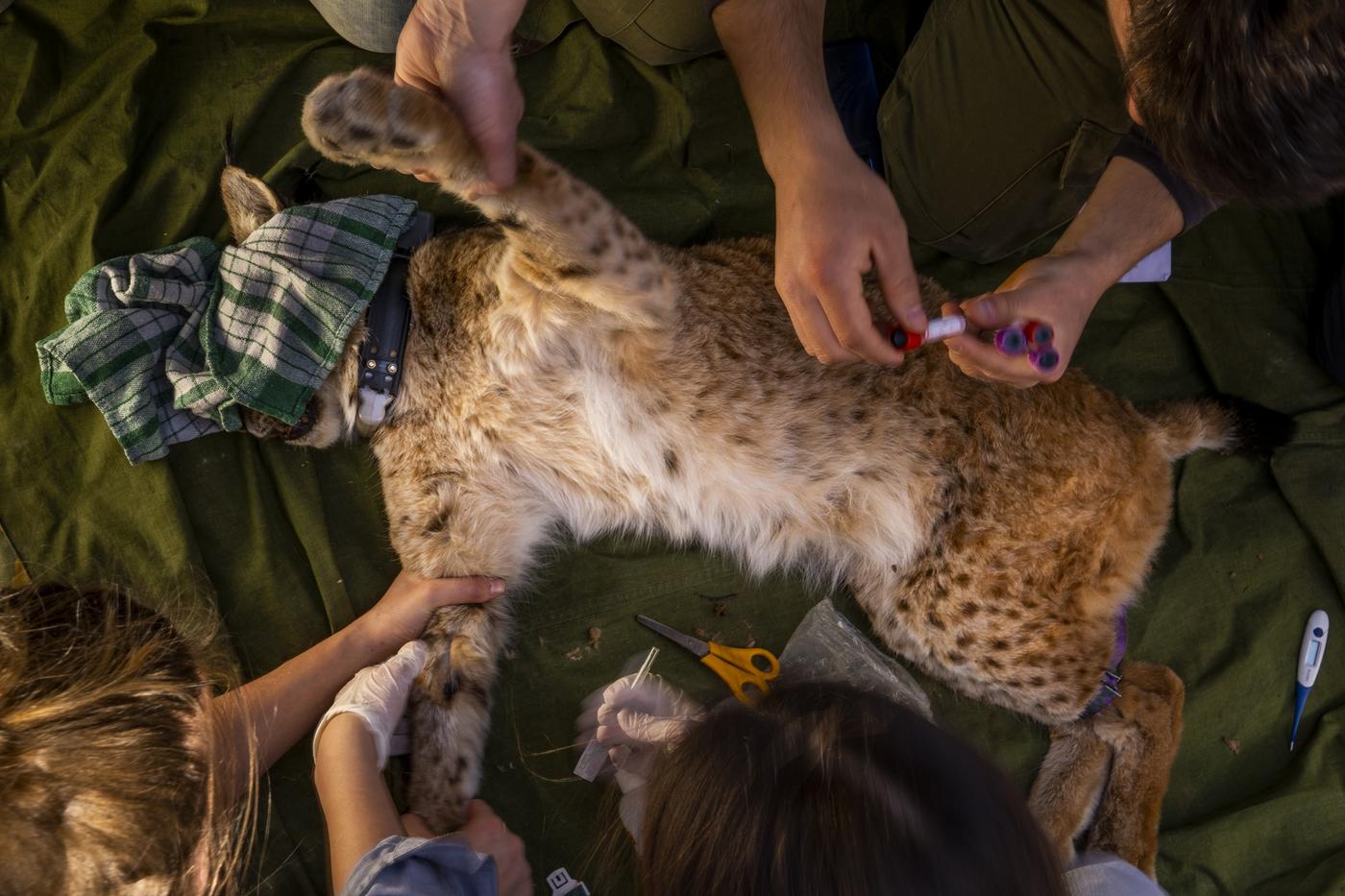
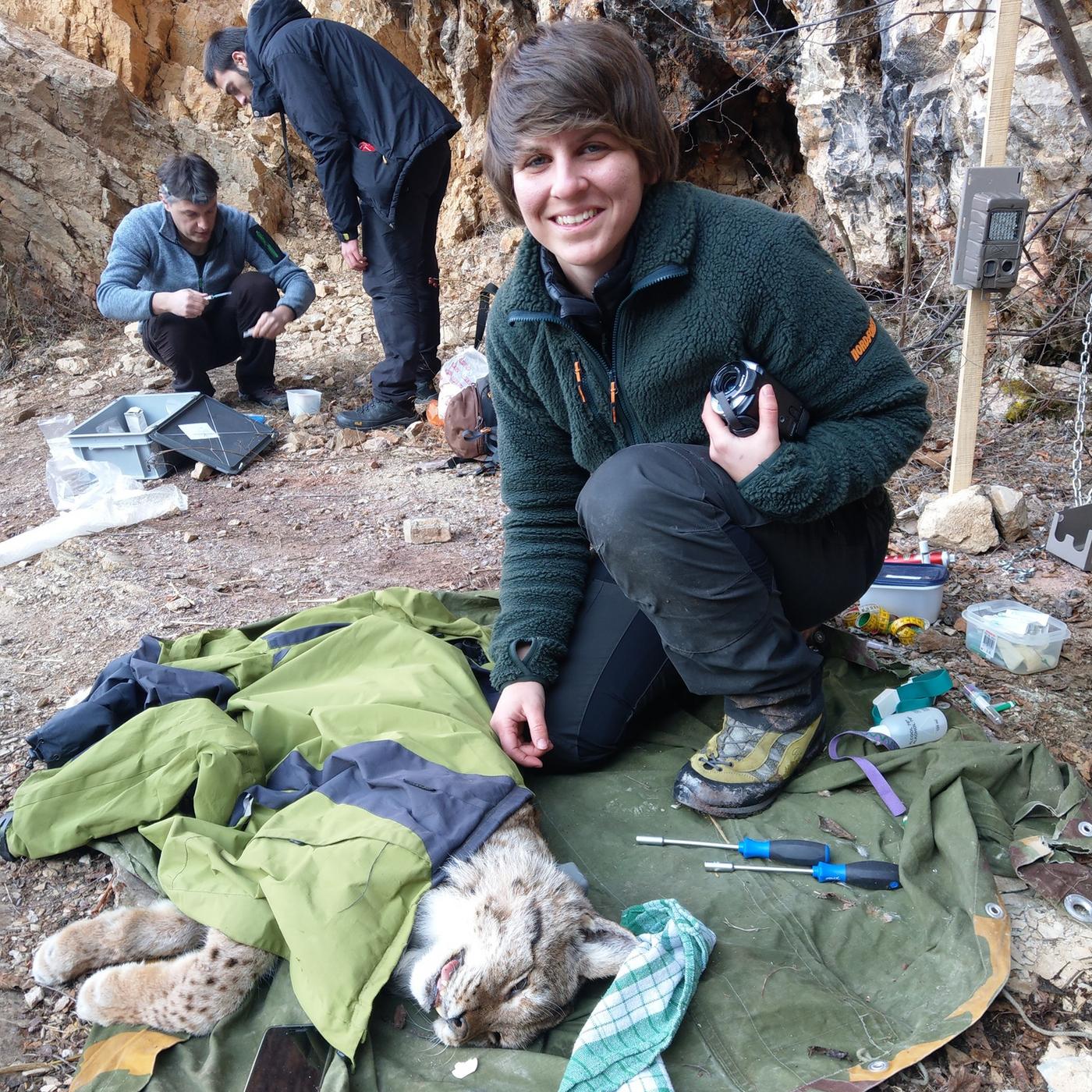
Twenty years of monitoring using camera traps and telemetry have yielded crucial insights into the Balkan lynx. The BLRP uses special box traps to fit transmitters to individual animals. A special moment for the team.
The programme’s greatest success lies in the enormous increase in our knowledge of the Balkan lynx. Twenty years ago, it was not even certain whether the population still existed at all. Today we know where the lynx is found, which areas are particularly important for its reproduction, which species it prefers as prey, and which habitats it requires.
This has been made possible by years of intensive fieldwork. Cross-border coordinated camera trap surveys and the monitoring of radio-tagged animals have provided valuable insights into the life of the Balkan lynx. From individual tracks in the snow and rare sightings, a clearer picture has emerged step by step.
At the same time, the BLRP is working continuously to improve the management of protected areas and to strengthen the connectivity of key habitats for the Balkan lynx. The research and monitoring data collected as part of the programme have contributed to the designation of significant protected areas, including Shebenik National Park, Korab-Koritnik Nature Park and Munella Nature Park in Albania, Shar Mountains National Park in North Macedonia, and Bjeshkët e Nemuna National Park in Kosovo. Furthermore, the programme supported the development and revision of management plans, capacity-building within the relevant institutions, and the identification of key wildlife corridors.
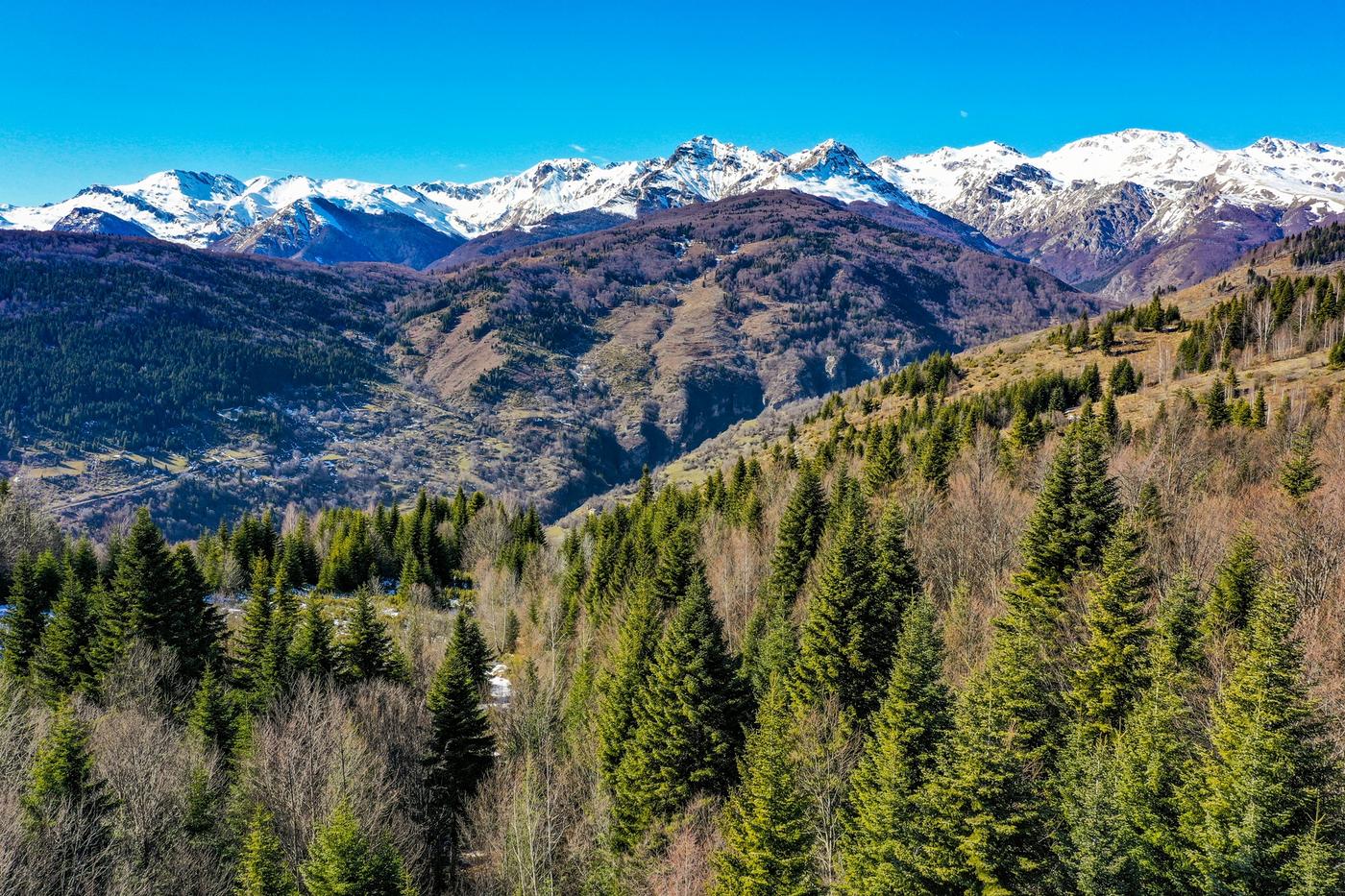
The extensive forests of Mavrovo National Park are among the most important refuges for the Balkan lynx. Here, this shy wild cat can still find the undisturbed and interconnected habitats on which it depends for its survival.
A key reason for the programme’s success over two decades is the trust that has been built up at a local level. Local authorities, rangers, farmers and hunting communities are now key partners in lynx conservation. Their support is crucial for the survival of a species that requires vast habitats and does not respect national borders.
Environmental education has also played a central role from the very beginning. People’s attitudes towards wildlife do not change overnight. This makes it all the more important to involve people from different generations and interest groups. Among many local residents, understanding of the ecological significance of the Balkan lynx is now significantly greater than it was a few years ago. This helps to strengthen acceptance of conservation measures.
At 20 years old, the BLRP is one of the longest-running nature conservation programmes in the Balkans. These 20 years have only been possible thanks to the efforts of many dedicated people who have never stopped believing in a vision in which the Balkan lynx survives in the Balkans – not just today or tomorrow, but for the next 50 or 100 years.
Lisa Leschinski, BLRP Project Coordinator at EuroNatur
From Strategy to Implementation
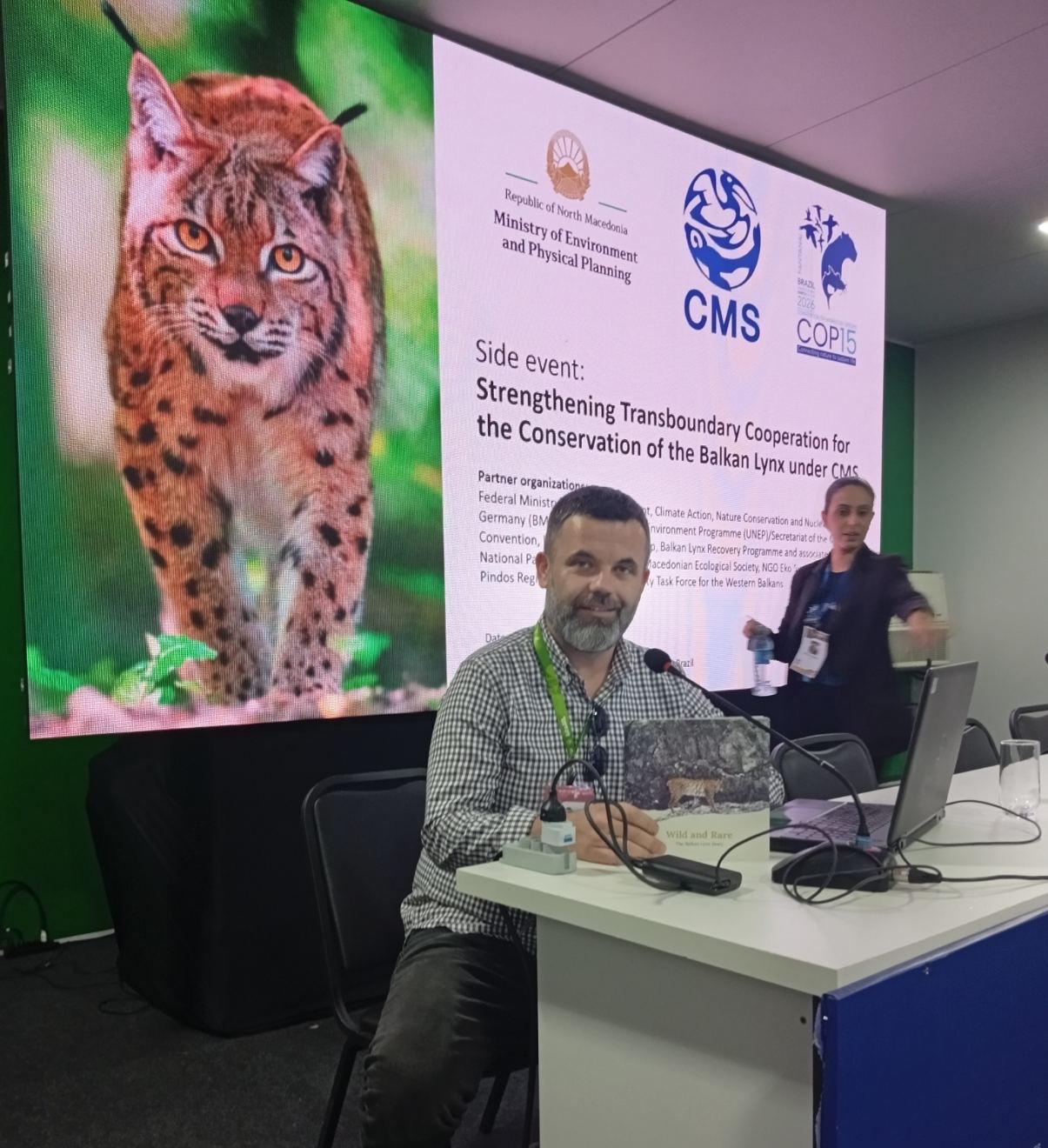
Lynx experts such as Aleksandar Perović from Montenegro gathered at CMS COP15 to present and endorse the regional strategy for saving the Balkan lynx.
One of the programme’s most recent successes is a significant step at international level: in 2024, the Balkan lynx was included in the Bonn Convention on the Conservation of Migratory Species. Several states had jointly submitted the application to strengthen the protection of the lynx in the Balkans.
In parallel, the BLRP, representatives of the relevant authorities and international experts developed the ‘Across the Range Strategy for the Rescue and Conservation of the Balkan Lynx’. The strategy was officially adopted at this year’s Conference of the Parties to the Bonn Convention – a significant milestone for the cross-border protection of the Balkan lynx.
These successes are encouraging. They lay the foundations for better conservation measures, strengthen cooperation in the region and improve the chances of the population’s long-term survival. Nevertheless, there is still much to be done. The Balkan lynx relies on large, contiguous and, as far as possible, undisturbed areas of woodland. However, such habitats are coming under increasing pressure due to infrastructure development, growing human use and the associated watering down of protected area legislation. In addition to habitat loss and fragmentation, the illegal killing of animals also poses a challenge to the long-term conservation of the Balkan lynx, which is why stronger legal protection measures are required to secure the future of this and many other species.
The genetic situation of the Balkan lynx population also needs to be improved. As the population is very small and isolated, closely related animals inevitably breed with one another. This can jeopardise the population’s resilience and lead to diseases and deformities. The BLRP is therefore planning measures to strengthen the population’s genetic diversity in the long term. Potential support from animals in neighbouring populations could help to expand the gene pool and ensure the survival of the Balkan lynx.
Who is behind the programme?
The Balkan Lynx Recovery Programme is implemented jointly by MES from North Macedonia, PPNEA from Albania and ERA from Kosovo. The programme receives scientific support from the KORA Foundation in Switzerland, whilst overall coordination is handled by EuroNatur.
However, the programme is supported by far more people than just the project teams: rangers, volunteers, hunting and farming communities, and local authorities all make an indispensable contribution to the protection of the Balkan lynx. Without their commitment, this 20-year history would not have been possible.
There's still a lot to do...
After 20 years of dedicated work, the BLRP looks to the future with confidence. Much has been achieved, but the journey towards securing the population is not yet over. The fact that the Balkan lynx has better chances of survival today than it did two decades ago is down to the efforts of countless people who work day in, day out to protect it.
The author
Laura Böttges gives a voice to Europe’s large carnivores at EuroNatur. Since joining the Balkan Lynx Recovery Programme, she has been part of an exciting journey spanning more than 20 years of species conservation history. Above all, she values the collaboration with people who have shaped the programme since its inception and who share their experiences and memories. She is now looking forward to witnessing and helping to shape the next chapter of this story.
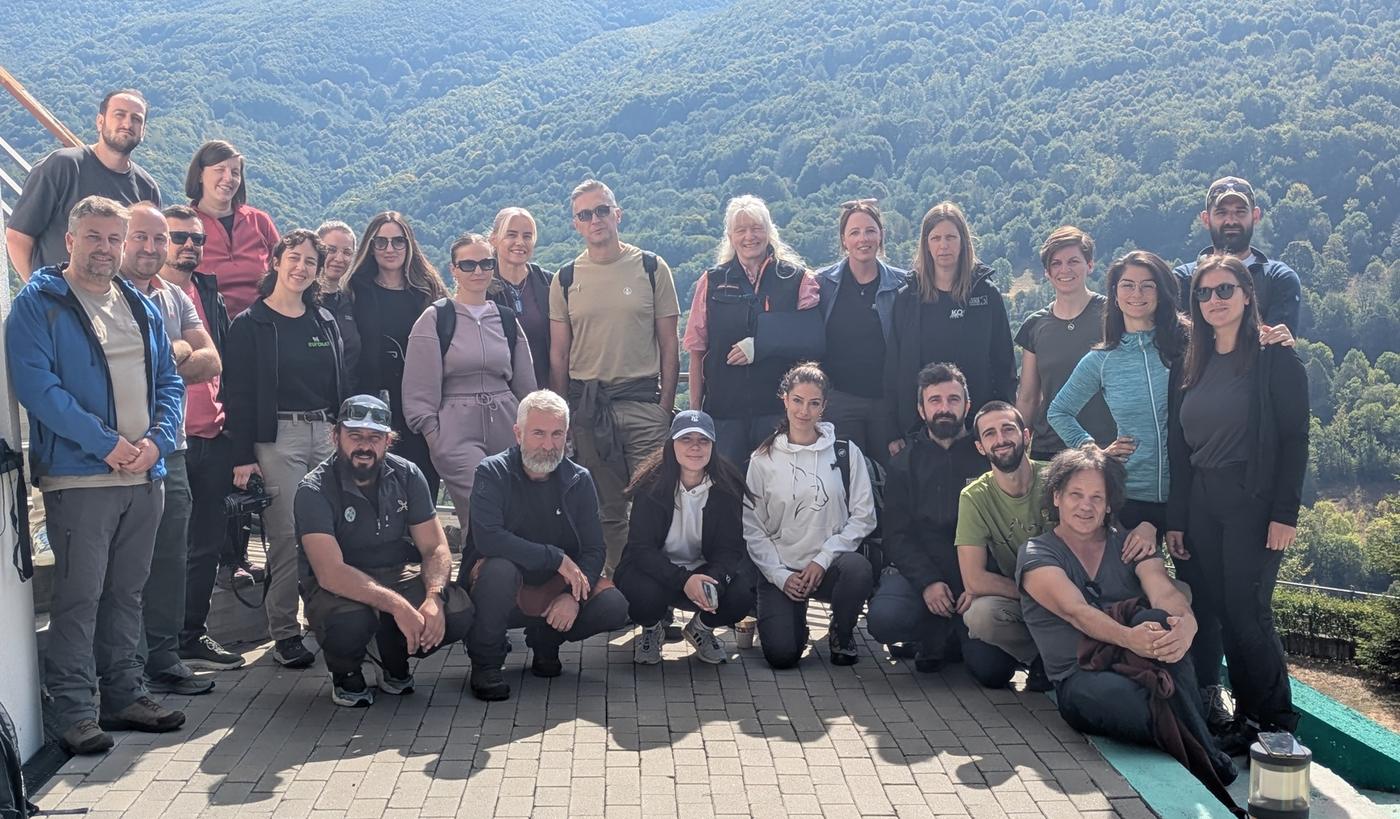
The BLRP team at the last partner meeting close to Prizren, Kosovo, in 2026.